Photos Vanish From Epstein Files Website, Prompting Questions

Photos Vanish From Epstein Files Website, Prompting Questions
Thousands of Epstein-related documents were released, but several photos disappeared within a day, prompting lawmakers to demand transparency.
In a startling development, thousands of Epstein-related documents were posted online as part of a government release, but at least 13 photos disappeared within a day. The vanished images included depictions from a room described as a small massage parlor, with clouds painted on the ceiling and brown patterned wallpaper studded with nude imagery. Faces were largely redacted, though some pictures featured faces that were visible in other files, raising questions about what is being hidden and why.
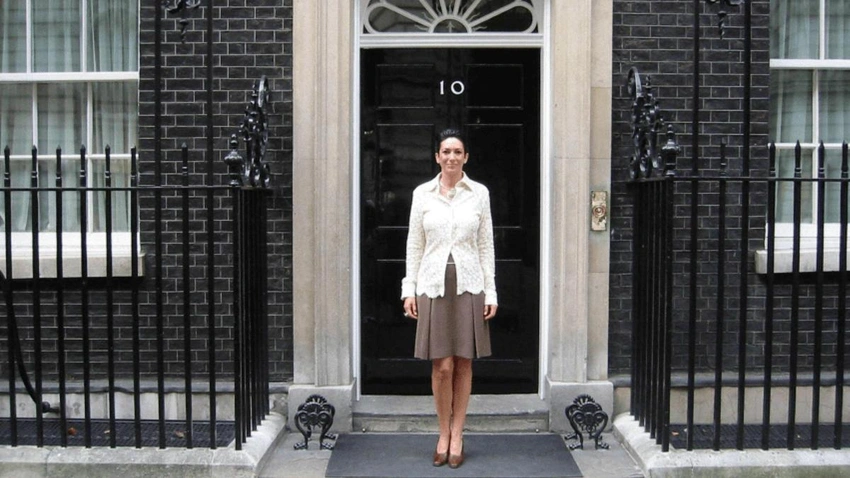
Among the missing items, one image appears to show the president alongside Epstein, Melania Trump, and Epstein's associate Ghislane Maxwell. The image, like the others, had been part of court filings and publicly accessible records before vanishing on the following day. The removal has sparked concern about transparency and the integrity of the released materials.
Democrats on the House Oversight Committee drew attention to the vanished photo by posting it on social media and pressing Attorney General Pam Bondi for clarity about what was removed and why. They framed the move as part of a broader effort to ensure the public can evaluate the record without obfuscation.
Beyond the missing photographs, the release has also highlighted that some survivors’ interviews were not included in the material made public so far, underscoring ongoing debate over what constitutes a complete and fair record of the Epstein investigation. As officials review what was released and what was withheld, critics argue that more transparency is essential to accountability and public trust.
This episode illustrates the fraught handling of Epstein-era records and the questions lawmakers continue to raise about how such sensitive materials are curated, posted, and, when necessary, redacted or removed. The public’s right to know remains front and center as officials reassess what should be publicly available moving forward.
