Lawmakers Probe Unredacted Epstein Files Under Transparency Act

Lawmakers Probe Unredacted Epstein Files Under Transparency Act
Lawmakers in Washington review unredacted Epstein documents released under the Epstein Files Transparency Act, questioning redactions and accountability.
Lawmakers in Washington began reviewing the unredacted Epstein files released under the Epstein Files Transparency Act (EFTA), which requires the Justice Department to disclose all documents in its possession related to Jeffrey Epstein. While the act forbids withholding records for embarrassment or political sensitivity, it allows redactions to protect victims' identities. The new batch comes after a sustained push in Congress for a fuller accounting of Epstein's dealings and associates.
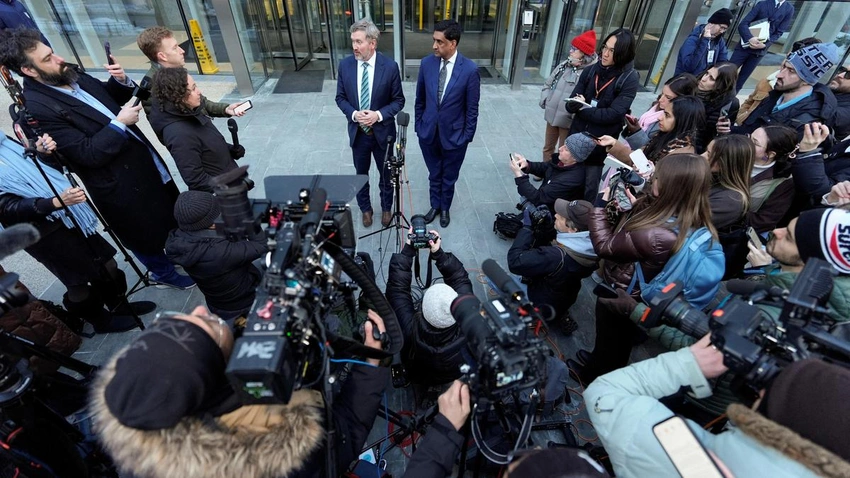
During a secure review at a Justice Department location, several lawmakers flagged that many names have been redacted or removed from the unredacted files, raising questions about accountability. Representatives Jamie Raskin, Thomas Massie, and Ro Khanna noted that several enablers and associates appear to be blanked out without clear explanations; some suggested that a foreign official or a prominent figure could be among those redacted.
The debate over redactions underscores a broader push for transparency while balancing privacy and safety concerns for Epstein's victims. As the review continues, lawmakers say more disclosures and explanations are needed to understand the scope of potential wrongdoing and who could be implicated.
Advocates argue that the full record is essential for public trust, even as critics warn against sensationalism. The Epstein files remain a volatile and evolving topic in Washington's political climate.
