Kejriwal Seeks Recusal of Delhi HC Judge Over RSS-Linked Events

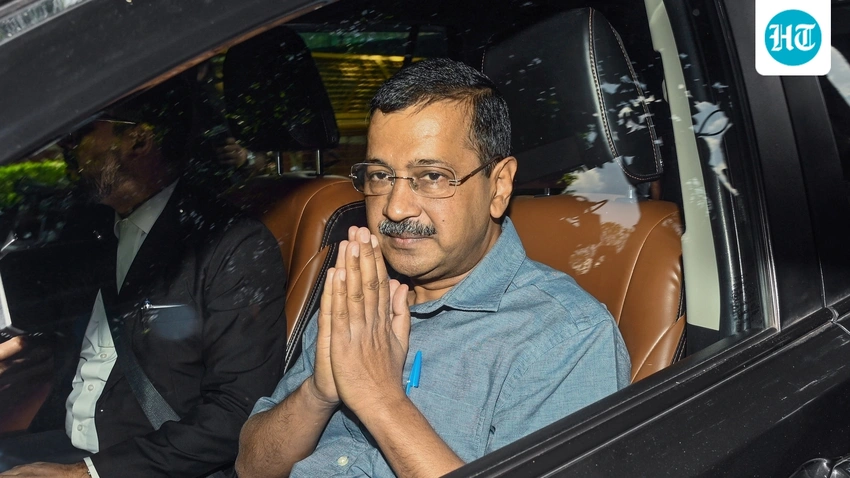
Kejriwal Seeks Recusal of Delhi HC Judge Over RSS-Linked Events
Kejriwal files recusal plea alleging bias after Justice Swarna Kanta Sharma attended RSS-linked events; Centre calls the move contemptuous and seeks dismissal.
In a high-stakes development in the excise policy case, a plea has been filed to move Justice Swarna Kanta Sharma out of hearing the CBI’s appeal, citing a real and grave apprehension of bias. The argument centers on the judge’s reported attendance at four events organized by a lawyers’ body linked to the RSS, raising questions about fair hearing in a case that has captured national attention. The request for recusal is being treated as a critical test of judicial impartiality in a politically charged matter that has implications for governance and accountability.
The Centre has rejected the recusal plea, describing the allegations as contemptuous and urging dismissal with costs. The government’s stance frames the move as an attempt to derail a formal legal process and underscores the seriousness with which it views the CBI’s revised petition in the liquor policy matter. The parties will now await the court’s ruling on whether the recusal should proceed, which could shape the trajectory of the appeal against the trial court’s decision in the excise policy case.
The recusal request follows earlier filings tied to a broader political clash between the Aam Aadmi Party and the Centre-led administration. If the court accepts the plea, next steps in the proceedings will hinge on whether a different judge will handle the CBI’s appeal, potentially altering courtroom dynamics and timelines. The development highlights how appearances of bias, even when contested, can become pivotal in high-profile investigations and the pursuit of accountability in public policy.
As the legal process moves forward, observers say the outcome will test the balance between ensuring judicial independence and maintaining the decorum of ongoing investigations. The case remains a touchstone for discussions about fairness, impartiality, and the integrity of institutions tasked with policing policy implementation.
