TikTok's 'Sunburning' Acne Trend: Your Skin Deserves Better!

TikTok's 'Sunburning' Acne Trend: Your Skin Deserves Better!
Think 'sunburning' your acne away is a good idea? Dermatologists warn this viral TikTok trend can seriously damage your skin, increase cancer risk, and even make breakouts worse in the long run. Get the facts!
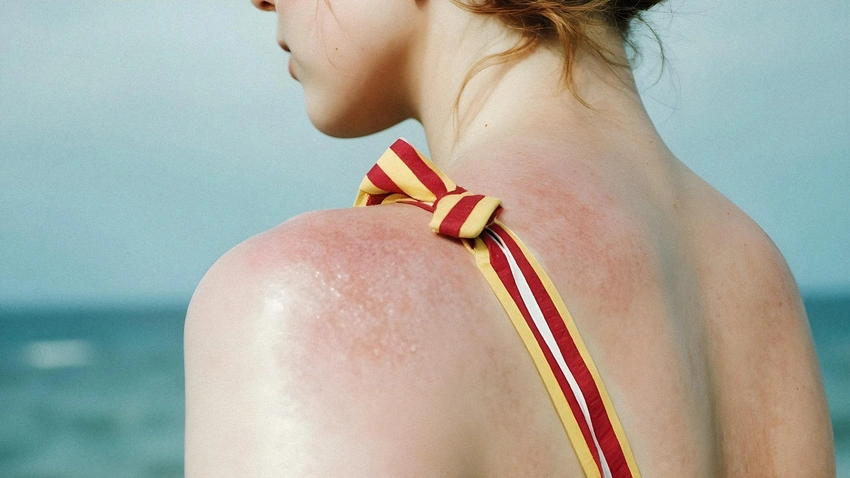
The latest viral TikTok trend has people intentionally ‘sunburning’ their skin in a misguided attempt to clear up acne. While it might sound like a quick fix, dermatologists are sounding the alarm, revealing why this dangerous trend is a recipe for skincare disaster.
Why it seems to work (at first)
Initially, some might notice a temporary improvement. Dr. Nirupama Parwanda, a leading dermatologist, explains,
UV rays can reduce the immune response; they temporarily reduce inflammation and also bacteria like Propionibacterium acnes, which cause acne.
Similarly, Dr.
Prerna Sikka notes that UVB rays can cause cell death in T lymphocytes, reducing inflammation, and UV exposure also produces reactive oxygen species (ROS) that kill acne-causing bacteria.
But here's the catch, this relief is fleeting.
The harsh reality: Serious risks
“Nevertheless, the effects wear off quickly, and continued exposure increases the risk of acne by producing more oil to compensate, damaging the skin and causing pigmentation,” warns Dr. Parwanda. Dr. Sikka emphasizes that the 'sunburning' trend “ poses serious health risks .” Repeated sunburns dramatically raise your risk of skin cancer, especially melanoma, the deadliest form.
UV radiation directly damages the DNA in skin cells, leading to dangerous mutations.
Dr. Parwanda concurs, stating,
Excessive exposure to UV rays can damage the skin and can absolutely cause long-term damage. It increases the ageing process, spots, tanning, and wrinkles; it can also damage the DNA and increase malignant cells.
Beyond cancer, UV exposure can thicken the skin's outer layer, trapping sebum and bacteria, leading to more breakouts in the long run.
This also increases hyperpigmentation on existing acne scars and speeds up premature skin ageing.
Sun exposure: A double-edged sword for sebum
Dr. Sikka reveals, “Sun exposure can temporarily reduce oiliness in acne-prone skin by reducing the activity of sebaceous glands and sebum production. However, this effect is usually not long-lasting.” Your skin often compensates for this temporary dryness by producing even more sebum, which ultimately worsens acne. It's a vicious cycle that leaves your skin worse off.
What actually works for acne?
Instead of risking your skin’s health, explore proven methods. Dr. Parwanda suggests a multi-pronged approach:
- Stop new acne: Oral therapies like antibiotics or oral retinoids.
- Reduce existing acne: Topical treatments such as retinoids, salicylic acid, benzoyl peroxide, dapsone, and niacinamide.
- Prevent future breakouts: Lifestyle modifications including exercise, a balanced diet (avoiding dairy and high-energy-dense foods), and a consistent healthy routine.
- Accessory treatments: Blue light therapy, chemical peels, and targeted spot treatments can also offer significant help.
Your skin is worth protecting. Don’t fall for dangerous social media fads when safe, effective solutions are available!
