Your Sleep Tracker: Marketing Hype or Health Truth?

Your Sleep Tracker: Marketing Hype or Health Truth?
Are those fancy sleep gadgets really telling you the full story? We dive into the growing skepticism around wellness tech accuracy and what it means for your health decisions.
The Trust Crisis in Wellness Tech: Are Your Gadgets Really Telling You the Truth?
We all love our gadgets, especially when they promise to make us healthier. From steps counted to heartbeats monitored, wellness tech has become an indispensable part of many lives. But what happens when the very foundation of these devices, their accuracy, is called into question?
A significant concern has emerged, raising serious doubts about the reliability of popular health trackers, particularly those focused on sleep.
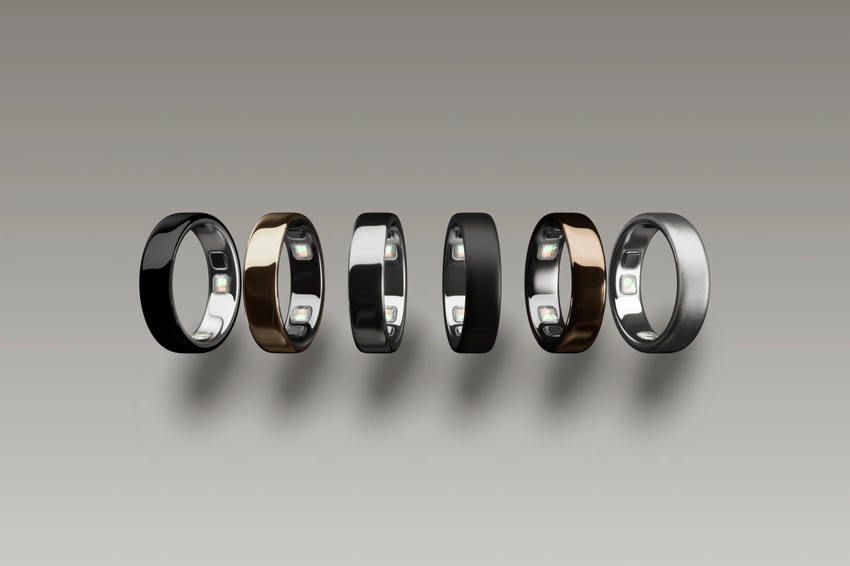
Take, for instance, the smart ring that has captured considerable market attention, priced at $300 and up.
For years, its makers have marketed it as 'built for accuracy,' claiming 'unparalleled accuracy' in measuring everything from daily activity to the intricacies of sleep. Early on, they touted 79% accuracy for measurements, and more recently, even claimed an impressive 95% sleep-staging accuracy when compared with clinical sleep labs.
These are bold statements, promising users deep insights into their most restorative hours.
However, a growing chorus of skepticism and recent direct challenges suggest that these claims might be far from the truth. The core issue? The fundamental inability of a device worn on your finger to accurately assess sleep quality or determine specific sleep stages.
Experts point out that genuine sleep analysis, differentiating between light, deep, and REM sleep, relies on measuring physiological signals from the brain , not just the finger. This typically requires specialized equipment like electrodes on the scalp and sensors on the eyes, the kind of setup found in a hospital sleep lab.
Yet, the smart ring is alleged to rely heavily on AI-generated estimates rather than direct physiological measurement. The worry? These estimates might have 'a coin flip's chance of being correct.' Think about that for a moment: you're making daily health decisions based on data that could be essentially random.
Users have voiced their frustrations across the internet, describing instances where their tracker reported 'optimal' sleep even when they felt poorly rested. Such discrepancies erode trust and can lead people down misguided paths in managing their health. If your device consistently tells you that you slept well, despite your fatigue, you might delay seeking actual medical advice for underlying issues.
If it cannot truly measure sleep cycles, as some now assert, then the foundation of its most celebrated feature crumbles.
It's a symptom of a larger challenge facing the wellness tech industry.
As consumers, we are eager for tools that empower us to take control of our health. But our reliance on these devices demands transparency and verifiable accuracy.
When companies market their products with assurances of clinical-grade precision that might not hold up under scrutiny, they risk a widespread crisis of confidence.
It's a crucial moment for both consumers and manufacturers. For us, it's about applying a healthy dose of skepticism to glowing marketing claims.
For the industry, it's a call to prioritize genuine, evidence-based accuracy over aspirational marketing.
Our health decisions are too important to be based on anything less than the truth.
