Fentanyl Flood: Did DEA Let Drugs Flow to Catch Kingpins in New Mexico?

Fentanyl Flood: Did DEA Let Drugs Flow to Catch Kingpins in New Mexico?
Shocking reports reveal the DEA allowed millions of fentanyl pills into New Mexico, aiming to nab major drug traffickers. Critics are outraged, citing public safety risks. Unpack this controversial strategy and its deadl
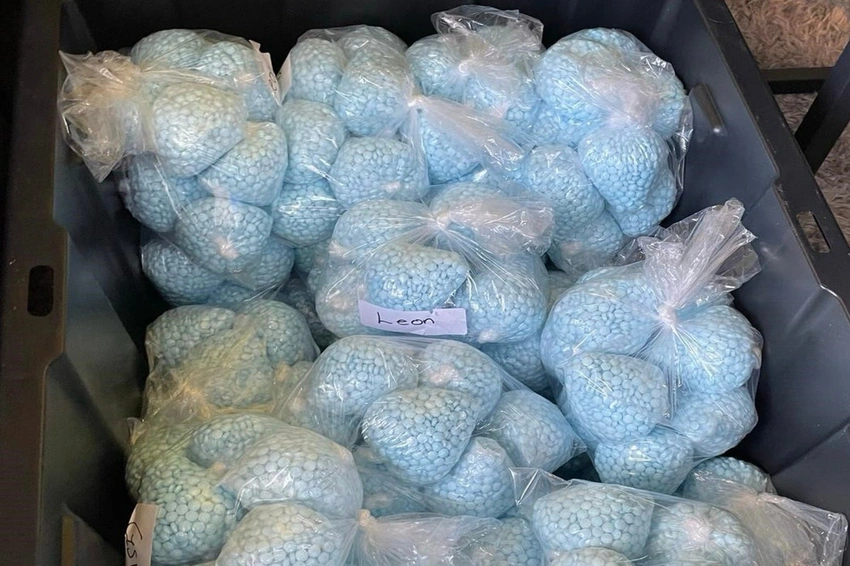
The U.S. Drug Enforcement Administration (DEA) is currently under intense scrutiny following reports that it allowed millions of fentanyl pills to enter communities in New Mexico between 2023 and 2025. This controversial tactic, part of court-authorized investigations, was reportedly designed to dismantle larger drug trafficking organizations by tracking the drugs to their ultimate distributors, or "kingpins."
Critics, however, are outraged, arguing that this strategy recklessly endangered public safety in a state already grappling with a severe opioid crisis. They question the ethics and effectiveness of knowingly permitting such a deadly substance to flood local communities, even if the ultimate goal was to make larger arrests.
The DEA defends its actions, asserting that targeting high-level criminal organizations ultimately saves more lives by disrupting the supply chain at its source. Officials maintain that these operations were carefully planned and approved by the courts, emphasizing that their long-term aim is to reduce the overall availability of illicit drugs.
This revelation has sparked a heated debate about the balance between investigative tactics and immediate public safety. As New Mexico continues to fight a devastating opioid epidemic, the DEA's approach is being rigorously examined, with calls for greater transparency and accountability regarding such high-stakes operations.
