The Shadow Cycle of Acne: Why Breakouts Often Appear Weeks After the Real Trigger


The Shadow Cycle of Acne: Why Breakouts Often Appear Weeks After the Real Trigger

When Cause and Effect Are Out of Sync
One of the most frustrating aspects of acne is its delayed appearance. You eat well, sleep properly, follow your routine, and still wake up with a breakout. It feels random, unfair, and unpredictable. In reality, many pimples you see today began forming two to six weeks earlier.
Dermatologists call this the lesion development cycle. A pore does not clog overnight. It undergoes gradual changes beneath the surface long before inflammation becomes visible. By the time redness appears, the process is already advanced.
During this stage, people often search for immediate relief solutions such as a quick pimple remover 🔗, hoping to reverse what actually started weeks ago.
Stage One: Microcomedone Formation
Every acne lesion begins as a microcomedone, an invisible blockage inside the follicle. Dead skin cells accumulate and stick together instead of shedding normally. Sebum becomes trapped, forming a tiny plug.
At this point, there is no swelling, pain, or discoloration. The pore simply stops functioning correctly. This stage can persist quietly for weeks.
Factors that initiate microcomedones include:
• Hormonal fluctuations
• Occlusive products
• Environmental pollutants
• Stress hormones
• Mechanical friction
• Changes in routine
Because nothing is visible yet, the trigger is rarely identified.
Stage Two: Sebum Expansion
As oil production continues, pressure builds inside the blocked pore. The follicle stretches, creating the foundation for blackheads or whiteheads depending on whether the opening remains exposed to air.
This phase determines how large the eventual lesion may become. Increased sebum also alters the local microbiome, encouraging the growth of Cutibacterium acnes, bacteria associated with inflammation.
Stage Three: Inflammatory Cascade
Eventually, the follicle wall weakens or ruptures. Oil, bacteria, and cellular debris spill into surrounding tissue, triggering an immune response. This is when redness, swelling, and tenderness appear.
The body sends white blood cells to contain the damage, producing the pus characteristic of inflammatory acne. Pain often peaks during this stage.
Importantly, aggressive picking or squeezing can cause deeper rupture, spreading inflammation further and increasing the risk of scarring.
Stage Four: Resolution and Aftermath
Once the immune system clears the debris, the lesion begins to flatten. However, the healing process may leave behind post inflammatory hyperpigmentation, redness, or textural changes.
Repeated inflammation in the same area can weaken structural proteins, making future breakouts more likely there.
Hormones Act on a Delay
Hormonal triggers rarely produce immediate skin changes. For example, fluctuations associated with menstrual cycles often influence sebum production weeks before visible breakouts occur.
Similarly, stress hormones such as cortisol can alter oil gland activity and immune responses long before pimples surface. This delayed response makes it difficult to connect cause and effect.
Dietary Triggers Are Not Instant Either
Contrary to popular belief, a single indulgent meal does not usually cause next day acne. Dietary influences operate through hormonal and inflammatory pathways that take time to affect the skin.
High glycemic foods can increase insulin and androgen activity, stimulating sebum production over several days. Dairy consumption may influence growth factor signaling that promotes follicular changes gradually.
Sleep Debt Accumulates in Skin
Poor sleep reduces barrier recovery and increases inflammation. However, skin damage accumulates over multiple nights rather than appearing immediately after one restless evening.
Chronic sleep deprivation can prolong healing time, making existing microcomedones more likely to progress into visible lesions.
Environmental Exposure Has a Lag Effect
Pollution, humidity changes, or new cosmetic products may not cause instant breakouts. Instead, they subtly alter the skin environment, leading to gradual pore blockage.
This explains why switching skincare or moving to a new climate sometimes results in delayed flare-ups rather than immediate reactions.
Acne Is Exceptionally Common Worldwide
Understanding the delayed cycle also highlights why acne is so persistent globally. Epidemiological data indicate that acne affects approximately 9.4 percent of the world population, making it one of the most prevalent skin conditions.
Given this high baseline prevalence, even minor triggers can push susceptible skin into visible inflammation weeks later.
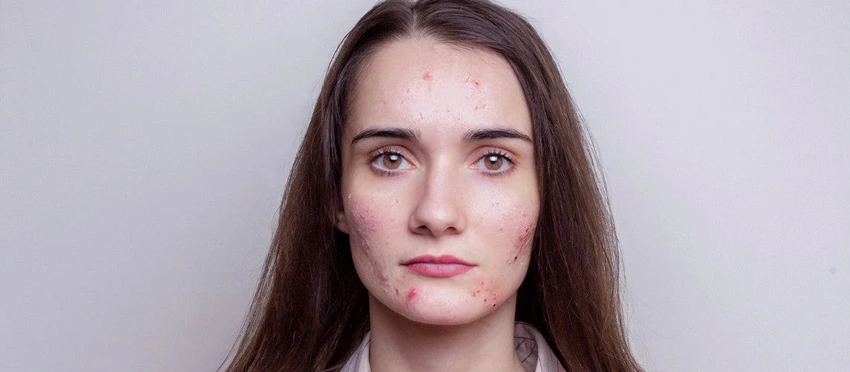
Why Treating Only Visible Pimples Falls Short
Focusing solely on existing lesions ignores the invisible ones already developing. By the time a pimple appears, dozens of microcomedones may be forming nearby.
Effective acne management therefore targets the entire environment of the skin, including oil regulation, exfoliation balance, barrier integrity, and inflammation control.
The Role of Gentle Preventive Care
Preventive strategies aim to interrupt the cycle before inflammation occurs. These include:
• Consistent cleansing without stripping
• Balanced hydration to support barrier function
• Non comedogenic formulations
• Stress management and adequate sleep
• Avoiding unnecessary friction or occlusion
Consistency matters more than intensity. Overly harsh treatments can create irritation that worsens the cycle.
Conclusion
Acne is not a sudden event but a delayed outcome of processes set in motion weeks earlier. Hormones, diet, stress, sleep, and environmental factors all leave fingerprints that surface later as visible blemishes.
Recognizing this shadow cycle can reduce frustration and encourage long term strategies rather than desperate quick fixes. Instead of reacting only when a pimple appears, supporting the skin continuously helps prevent microcomedones from progressing.
For ongoing balance, especially in skin prone to congestion, a carefully chosen Non comedogenic moisturizer 🔗 can maintain hydration without clogging pores, reducing the likelihood that invisible blockages evolve into inflamed breakouts.
Call to Action
Healthy skin is built through consistent care, not last minute rescue attempts. Discover thoughtfully formulated solutions designed to support your skin through every stage of the acne cycle at World of California 🔗 🔗and take a proactive approach to clearer, calmer skin.
FAQs
1. How long does a pimple take to form?
Most acne lesions develop over two to six weeks before becoming visible.
2. Can stress from weeks ago cause breakouts now?
Yes. Hormonal and inflammatory changes often manifest in the skin after a delay.
3. Why do pimples appear in clusters?
Multiple microcomedones may be developing simultaneously beneath the surface.
4. Does popping a pimple stop the cycle?
No. It can worsen inflammation and increase the risk of scarring or recurrence.
5. Is prevention more effective than spot treatment?
For long term control, preventing new lesions is generally more effective than treating individual pimples.
