CAS rejects helmet protest; Ukrainian skeleton racer cannot compete at Olympics

CAS rejects helmet protest; Ukrainian skeleton racer cannot compete at Olympics
CAS rejects Vladyslav Heraskevych's bid to wear a memorial helmet at the Games; he will not compete as imagery is barred on the field of play.
The Court of Arbitration for Sport has dismissed Ukrainian skeleton racer Vladyslav Heraskevych's appeal to wear a helmet depicting images of athletes killed during Russia's invasion at the Winter Olympics. The decision means Heraskevych will not take part in the men's skeleton as the event unfolds in Cortina. He had worn the memorial helmet during training sessions, prompting an IOC ban before the first heat of the competition.
The IOC argued the helmet breaches the Olympic charter and cannot be displayed during competition, as the field of play is sacrosanct. CAS, while expressing sympathy for the athlete's right to expression, upheld the restriction for the competition itself. The IOC had briefly withdrawn his accreditation, then restored it, a sequence CAS described as unfair only in the sense of the unusual circumstances.
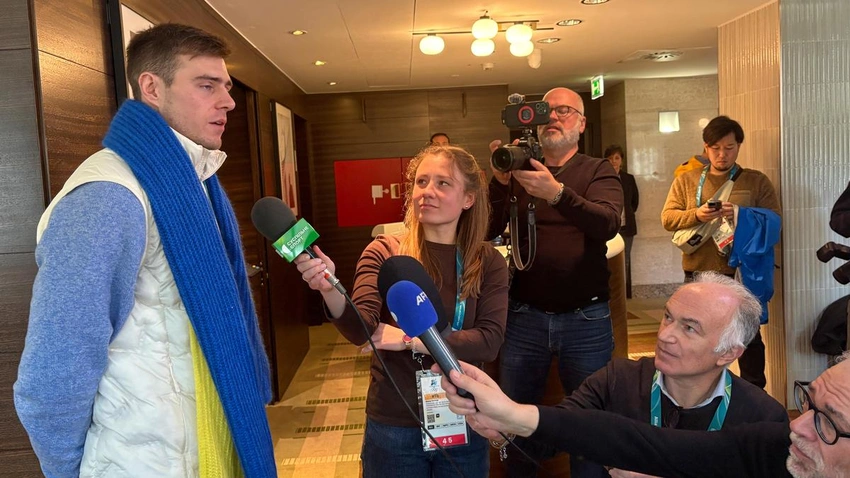
Heraskevych, 26, has maintained that the helmet is within the rules and serves as a memorial to those Ukrainians killed since the invasion. He told reporters at Cortina Sliding Centre that his disqualification was 'totally wrong' and that he wanted to compete, not merely attend the Games. In a broader reaction, Ukrainian President Zelensky condemned the ban, insisting the athlete should be allowed to honor fallen peers during the Games.
The ruling leaves Heraskevych in Cortina as the competition continues, with the field of play preserved for others. The IOC has said the helmet can be shown in mixed zones, at news conferences, and on social media, but not during runs down the track. The case highlights the ongoing tension between freedom of expression and sport’s rules at a Games already charged politically for Ukraine.
