Trump Threatens NATO Exit as Europe Ups Defense Spending

Trump Threatens NATO Exit as Europe Ups Defense Spending
Trump hints at withdrawing the US from NATO, triggering a defense spending surge in Europe and sparking questions about the future of global security.
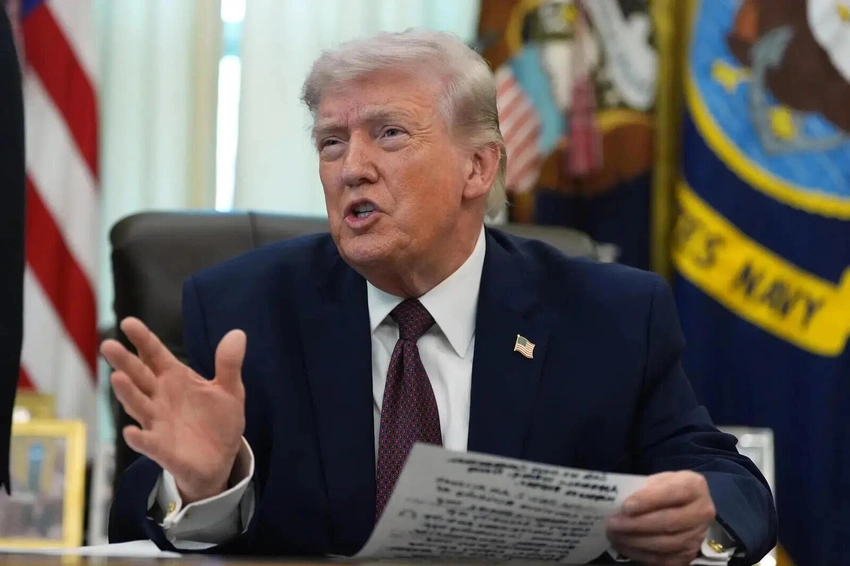
Analysts say President Donald Trump's latest remarks open a new front in the long-running debate over America's role in NATO. He has floated the possibility of withdrawing the United States from the defense alliance, arguing that European allies should shoulder more of the burden. The idea unsettles partners already watching rising regional tensions, and it comes amid broader anxieties about the Strait of Hormuz and regional security. The threat to step back from NATO could upend decades of alliance planning that hinges on US leadership, even as European partners push to bolster their own defenses.
Across Europe, defense ministries have been quietly increasing budgets and accelerating joint projects as a hedge against any future US withdrawal. The shift reflects a desire for greater strategic autonomy, but it also risks fragmenting a unified alliance just as Russia's activity remains a concern. NATO officials have been trying to reassure allies that the alliance remains central to security despite political rhetoric. Leaders from various capitals have urged continued cooperation while weighing how much of a fallback Europe would have under a weakened US security umbrella.
Legal questions loom over a potential US exit. Analysts note that withdrawing from a treaty-bound alliance would require careful legal steps and could trigger a period of instability as member states adjust their defense planning. If Washington opts out, NATO's deterrence calculus would change, possibly prompting greater investments in air, sea, and cyber capabilities by European members. The debate also intersects with energy security, given the tensions around the Strait of Hormuz and the broader geopolitical contest with rival powers.
Some politicians argue that a reduced US role would accelerate European defense integration, pushing for faster acquisition of defense capabilities and more robust multinational forces. Others worry that such a shift could invite opportunistic moves by rivals and leave Europeans more exposed in key theaters. In Brussels and capitals across the continent, policymakers are watching for signs of how far allies are willing to go in maintaining the cooperative security framework that has underpinned European peace for generations.
The coming weeks are likely to test the resilience of the transatlantic bond. While Trump’s position may reflect a domestic political stance, the international consequences would ripple through capitals, defense contractors, and global markets. As Europe rethinks defense posture and potential contingencies, the alliance's ability to adapt without undermining credibility will be watched closely by allies and adversaries alike.
Beyond the military calculus, the political signal is vivid: Washington's stance could reshape alliance diplomacy for years, altering how partners coordinate on sanctions, humanitarian missions, and crisis response. In that scenario, diplomacy would become the frontline tool to preserve cohesion, while defense modernization becomes a parallel track to ensure deterrence remains credible regardless of US posture.
