India’s Nuclear Leap: Fast Breeder Reactor Nears Power Breakthrough

India’s Nuclear Leap: Fast Breeder Reactor Nears Power Breakthrough
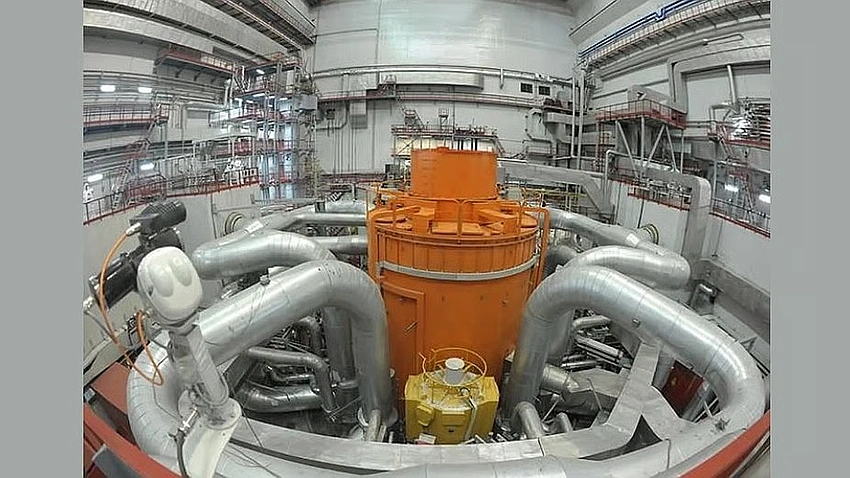
India’s Prototype Fast Breeder Reactor at Kalpakkam is almost ready. Fuel loading is complete and criticality is expected soon.
India is on the edge of a nuclear milestone. The Prototype Fast Breeder Reactor at Kalpakkam has nearly finished fuel loading. This is the most advanced reactor India has ever built. It is designed to generate 500 megawatts of electricity. It also produces more fuel than it consumes.
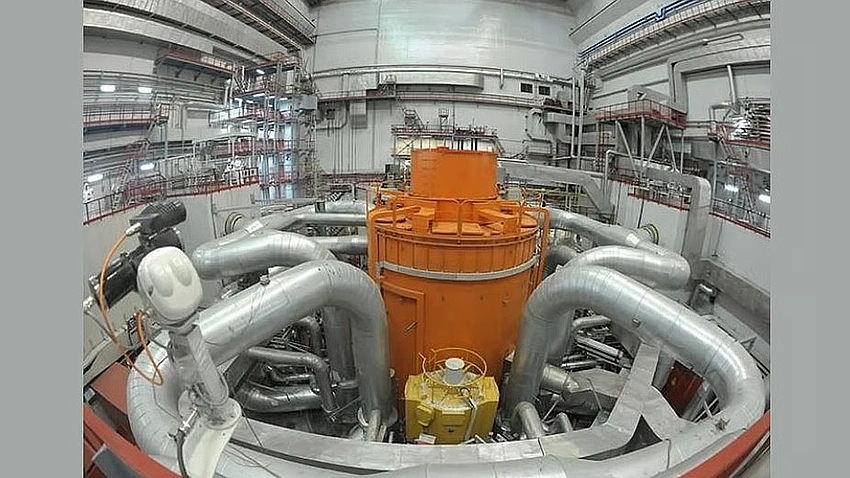
The project began in 2004. It faced delays and technical hurdles. Now it is finally close to operation. The Atomic Energy Regulatory Board approved fuel loading in October 2025. First criticality is expected within months. Full operations are targeted by the end of 2026.
This reactor is not just about power. It is about strategy. India has limited uranium but vast thorium reserves. The fast breeder reactor is the bridge to unlock thorium. It uses fast neutrons and liquid sodium coolant. Surrounding the core is uranium 238. When bombarded, it breeds plutonium 239. This new fuel can be reused. It is a cycle that multiplies resources.
The design is central to India’s three stage nuclear program. Stage one uses pressurized heavy water reactors. Stage two is the fast breeder stage. Stage three will use thorium to produce uranium 233. The Kalpakkam reactor is the key to moving from stage two to stage three.
Safety has been a major focus. The PFBR has passive safety systems. These allow automatic shutdown without human action. It also reduces nuclear waste. Spent fuel is recycled. Long lived waste is minimized. Land needed for disposal is reduced.
The project has symbolic weight. It shows India’s ability to master complex nuclear technology. Only a few nations have built fast breeder reactors. Russia, France, and Japan have tried. India is now joining that elite group.
The government has set a bold target. By 2047, India wants 200 gigawatts of nuclear power. The PFBR is a cornerstone of that mission. It will not only generate electricity but also supply fuel for future reactors.
The global context matters. Energy demand is rising. Fossil fuels are under pressure. Renewable energy is growing but intermittent. Nuclear power offers steady baseload supply. The PFBR strengthens India’s energy security. It reduces dependence on imports. It also cuts carbon emissions.
The road has not been smooth. Construction delays stretched the timeline. Technical challenges slowed progress. But engineers have resolved key issues. Progress in 2024 and 2025 has been steady. The finish line is now in sight.
Public interest is high. Nuclear power often sparks debate. Supporters highlight clean energy and security. Critics raise safety and cost concerns. The PFBR is designed to address both. Its safety systems are advanced. Its fuel cycle is efficient.
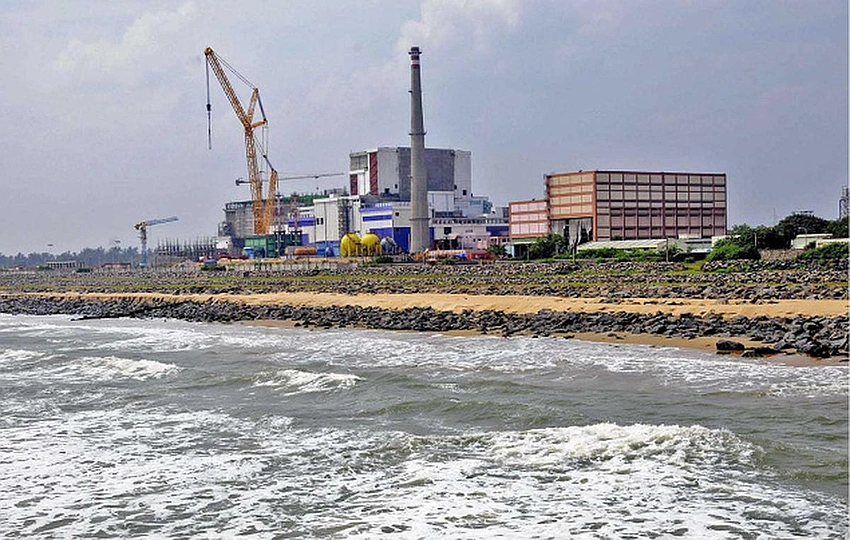
The Kalpakkam site is already a hub of nuclear activity. It hosts reactors, research centers, and training facilities. The PFBR adds prestige to the complex. It also creates opportunities for scientists and engineers.
India’s nuclear journey is long term. The PFBR is a step, not the end. But it is a decisive step. It proves that India can design, build, and operate advanced reactors. It proves that India can chart its own nuclear path.
The world will watch closely. Success at Kalpakkam will boost India’s standing in nuclear science. It will also inspire confidence in its energy future.
The countdown has begun. The Prototype Fast Breeder Reactor is almost ready. India is about to enter a new nuclear era.
In article references:
- Atomic Energy Regulatory Board approval reported in October 2025 (https://www.aerb.gov.in 🔗)
- Department of Atomic Energy on India’s three stage nuclear program (https://dae.gov.in 🔗)
- International Atomic Energy Agency overview of fast breeder reactors (https://www.iaea.org 🔗)
