Ladakh expands to seven districts ahead of Shah visit

Ladakh expands to seven districts ahead of Shah visit
Ladakh approves five new districts, expanding to seven to boost remote governance ahead of Home Minister Amit Shah's planned visit.
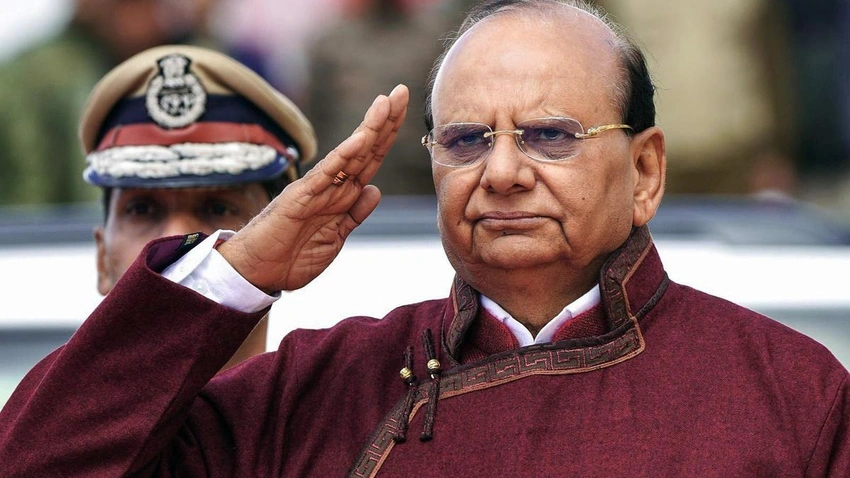
In a landmark administrative move, Ladakh has approved the creation of five new districts—Nubra, Sham, Changthang, Zanskar, and Drass—raising the Union Territory’s total to seven. The decision, announced by the Lieutenant Governor, Vinai Kumar Saxena, is being hailed as a historic day for Ladakh and is aimed at delivering closer governance and targeted development in its remote areas.
The approval comes as Home Minister Amit Shah is set to visit the Union Territory, with officials framing the district split as a practical step toward more accessible public services and improved planning for regional development. Officials say the new districts will shorten the distance residents must travel to access government offices and enable more localized administration and faster implementation of schemes.
Local groups have welcomed the change while also urging careful implementation. Activist Wangchuk noted that the move could build trust if it translates into real benefits, and called for steps to address outstanding concerns, including cases filed during last year’s protests over statehood and Sixth Schedule inclusion. The government has signaled a commitment to inclusive development, aiming to balance rapid administration with local sensitivities.
With Nubra, Sham, Changthang, Zanskar, and Drass joining the existing districts, Ladakh now mirrors a more typical administrative map that could attract greater resource allocation and administrative efficiency. Experts caution that expanding the number of districts will require robust funding, staffing, and logistical planning to avoid uneven service delivery across the region.
Analysts say the move could reshape political dynamics in Ladakh, potentially strengthening local governance and empowering remote communities. Yet observers also emphasize staying vigilant about the costs and ensuring transparency in the execution of district administration reforms, especially as the region remains strategically sensitive and culturally diverse.
The broader political backdrop remains active, as residents and policymakers anticipate how the district expansion will dovetail with future development plans and the forthcoming discussions during Shah’s visit. If implemented effectively, Ladakh’s seven-district model could set a template for remote governance in other frontier regions.
