Delhi's air eases to 234 AQI; forecast warns of deterioration ahead

Delhi's air eases to 234 AQI; forecast warns of deterioration ahead
Delhi's air quality improves to the poor category at 234 AQI, with officials warning a return to worse levels as transport emissions and nearby cities push pollution up again.
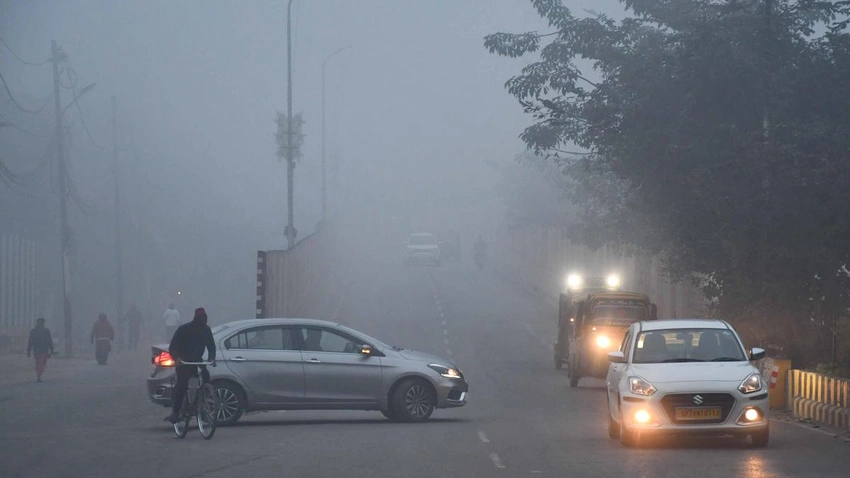
Delhi breathed a bit easier for the second straight day, with the 24-hour average AQI dipping to 234 around 4 pm, placing the city in the 'poor' category. Among the 40 functional air quality monitoring stations, 10 logged moderate AQI levels below 200, including Lodhi Road, IIT Delhi, Indira Gandhi International Airport and Aya Nagar, while 27 stayed in the poor range. Two stations, Jahangirpuri and Bawana, recorded very poor air quality with AQI readings above 300. The CPCB classification currently marks 0-50 as good, 51-100 satisfactory, 101-200 moderate, 201-300 poor, 301-400 very poor and 401-500 severe. Data from the DSS for Air Quality Management show vehicular emissions as the largest contributor to Delhi's pollution that day, accounting for about 18.5%, with industries in and around the capital contributing 9.5%, construction activities 2.5%, and waste burning 1.6%. Among NCR districts, Jhajjar in Haryana contributed the highest share to Delhi's pollution at 17.6%, followed by Rohtak (5.9%) and Sonipat (3.1%). Transport remains the dominant concern as authorities monitor the situation.
Officials note that while the improvement is welcome, the relief may be temporary. Forecasts indicate a potential return to higher pollution levels in the coming days as emissions persist and cross-border sources continue to feed Delhi’s load. Earlier in the week, the city saw a severe AQI of 412, with some areas hitting the very poor mark, but the improvement to 234 marks a cautious moment of relief.
Environment Minister Sirsa has reiterated that the government will maintain strict action against polluting industries and vehicles to curb the pollution load. Residents are urged to continue monitoring air quality alerts and take precautions, especially on days when the forecast points toward deterioration, such as wearing masks and limiting outdoor activity during peak traffic hours.
Overall, Delhi's air quality remains fragile, with transport emissions and cross-border contributions continuing to shape daily readings. Officials and residents alike will be watching the forecast closely as they navigate the days ahead.
