Maharashtra's 'Rummy' Minister Resigns as Arrest Warrants Hit Cabinet

Maharashtra's 'Rummy' Minister Resigns as Arrest Warrants Hit Cabinet
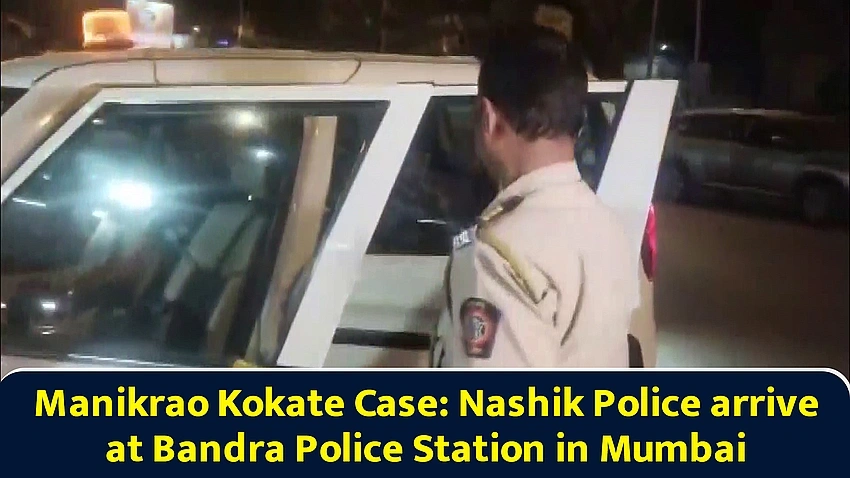
Maharashtra's NCP minister Manikrao Kokate resigns after a Nashik court issues arrest warrants in a 1995 housing quota case; he moves the Bombay High Court against the order, prompting a cabinet reshuffle led by CM Fadna
Manikrao Kokate, a minister from Maharashtra's Nationalist Congress Party nicknamed the state's 'rummy' minister, has quit the cabinet amid a growing legal storm. A Nashik court issued arrest warrants in a 1995 housing quota case, prompting Kokate to move the Bombay High Court against the court order. The development comes as the ruling coalition, led by Chief Minister Devendra Fadnavis, faces ongoing pressure following the resignation.
In a sequence that underscores the fragility of the coalition's line-up, Kokate's departure triggered a cabinet reshuffle. Deputy Chief Minister Ajit Pawar indicated the move in principle to accept the resignation and notified the Governor, who subsequently allocated Kokate's former ministries to Pawar. The episode echoes a previously observed pattern within the NCP, where ministers step down in the wake of legal challenges, reshaping the government's inner workings.
The case, dating back to 1995, involves allegations tied to housing quotas, a sensitive issue that has frequently drawn political scrutiny in the state. Kokate's decision to resign comes as the court order casts a shadow over the minister's political future and raises questions about accountability, governance, and the stability of Maharashtra's administration. While Kokate asserts legal recourse by challenging the order in the High Court, his exit marks the second ministerial departure for the NCP this year, sharpening the focus on how long the cabinet can sustain its current composition amid ongoing legal cases.
Analysts say the reshuffle could influence policy timelines in housing, urban development, and related departments, even as officials seek to maintain continuity in essential services. The coming weeks are likely to determine whether the coalition can maintain cohesion or faces further strains as more information emerges about the 1995 case and its implications for governance in Nashik and beyond.
