AI Unlocks Century of Plant Data: Climate Change Speeds Up Flowering by Days Each Decade

AI Unlocks Century of Plant Data: Climate Change Speeds Up Flowering by Days Each Decade
Groundbreaking AI study analyzes 8 million plant specimens to uncover how the climate crisis is dramatically altering flowering seasons. Discover the urgent implications for global ecosystems.
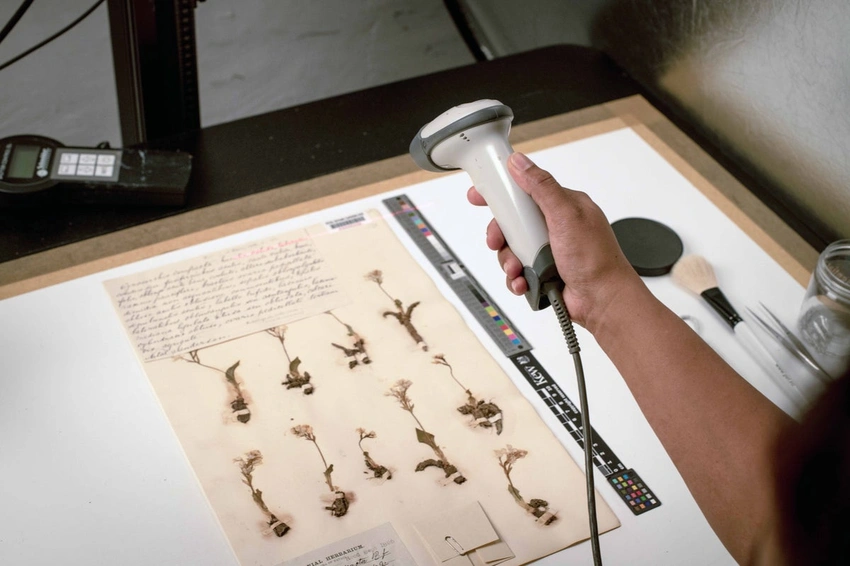
A groundbreaking global study has harnessed the power of artificial intelligence to unveil a dramatic shift in plant flowering times, directly linked to the accelerating climate crisis. Analyzing an unprecedented eight million digitalized plant specimens, some dating back a century, researchers discovered that flowering has, on average, shifted by 2.5 days earlier or later per decade.
This extensive analysis, using advanced AI techniques, provides concrete evidence of how human-induced climate change is altering fundamental biological processes. The data, meticulously collected over decades and now digitized, allows scientists to track these subtle yet significant ecological changes over a vast historical timeline. This shift in flowering patterns has profound implications for ecosystems, potentially disrupting intricate relationships between plants, pollinators, and other wildlife, which rely on precise seasonal timing.
The study highlights the critical role of digital technology and AI in transforming conservation efforts. Converting vast collections of pressed plants and fungi into digital records is not just an archival exercise; it's a vital tool in the 'race against extinction.' The digital records, combined with AI analysis, can help identify and save new specimens, providing an invaluable resource for understanding biodiversity and its threats.
Experts, including those from the Kew science team, emphasize that this technological approach opens a 'genomic goldmine' of fungi data, offering new avenues for research into these often-overlooked organisms. By leveraging AI to process such massive datasets, scientists can gain insights into species' vulnerability, distribution, and evolutionary adaptations in the face of rapid environmental change. This empowers conservationists to develop more targeted and effective strategies to protect Earth's invaluable flora and fungi for future generations.
