Starlink: The Ultimate Internet Game Changer or Just Billionaire Hype?

Starlink: The Ultimate Internet Game Changer or Just Billionaire Hype?
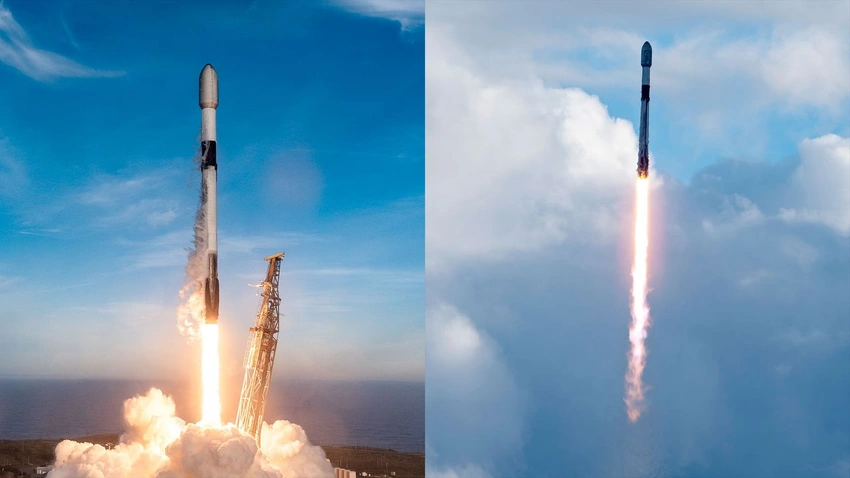
SpaceX keeps launching Starlink satellites from coast to coast, but is private satellite internet truly revolutionizing global connectivity or just an overhyped tech trend? Let us dive into the reality of the network.
Every few days, it feels like we see another rocket lighting up the sky. Just look at the recent back to back launches on March 13 and 14, 2026, when SpaceX launched batches of Starlink satellites from both Vandenberg Space Force Base in California and Cape Canaveral in Florida. These consecutive coastal launches are becoming routine, yet they beg a massive question. Is this private satellite internet megaconstellation a genuine game changer for the world, or is it just the latest tech hype?
To figure this out, we have to look at what Starlink actually promises and what it delivers.
The Case for a Game Changer For decades, rural and remote communities have been left behind by traditional telecom companies. Laying fiber optic cables across mountains or deserts is wildly expensive. Starlink bypasses the dirt entirely. By keeping thousands of satellites in low Earth orbit, the network beams high speed internet to places that previously relied on painfully slow dial up or expensive legacy satellite providers.
- Global Access: From remote cabins to maritime vessels, users are finally getting reliable connections.
- Disaster Relief: When terrestrial grids fail during hurricanes or wildfires, these satellite dishes can be powered up with a simple generator to restore critical communication.
- Innovation Push: The sheer volume of launches from California to Florida is forcing competitors to innovate, driving down costs across the board.
The Case for Hype However, it is not all sunshine and perfect ping rates. The barrier to entry remains steep for many people globally. The hardware costs and monthly subscription fees are out of reach for the truly impoverished regions that proponents claim to want to connect.
Moreover, astronomers are increasingly frustrated. The night sky is getting crowded. Those dazzling satellite trains look cool on social media, but they are leaving bright streaks across astronomical images and potentially disrupting space science. There is also the very real concern of space junk. With thousands of units up there, the risk of orbital collisions is a growing headache.
The Verdict Calling it pure hype is incredibly unfair to the families and businesses currently streaming video in the middle of nowhere. It is undoubtedly a game changer for rural connectivity and emergency response. But we also need to drop the savior complex. It is a premium product operated by a private company, complete with environmental and astronomical tradeoffs.
We are witnessing a monumental shift in how humanity connects. As rockets continue to launch from coast to coast, the true test will be whether the network can scale sustainably without ruining the night sky we are trying so hard to explore.
