Rahman Signals 'Bangladesh First' as BNP Advances

Rahman Signals 'Bangladesh First' as BNP Advances
Tarique Rahman defends a 'Bangladesh First' stance as BNP edges toward power, pledging vigilance from the opposition amid election concerns and a rising Jamaat-e-Islami presence.
In the wake of a landmark election, Tarique Rahman answered a query about how Bangladesh will navigate its ties with India, stressing a 'Bangladesh First' policy that aims to keep the country's interests at the fore while maintaining pragmatic diplomacy with neighboring powers.
Rahman framed the policy as a balancing act, noting that cooperation with India remains essential on security, trade, and regional connectivity, but that any partnership must serve Bangladeshi priorities first.
The election produced 77 seats for the Islamist-alliance, a result that Rahman described as a strong foundation for a robust opposition, noting that politics in Bangladesh is never static and that fortunes can change.
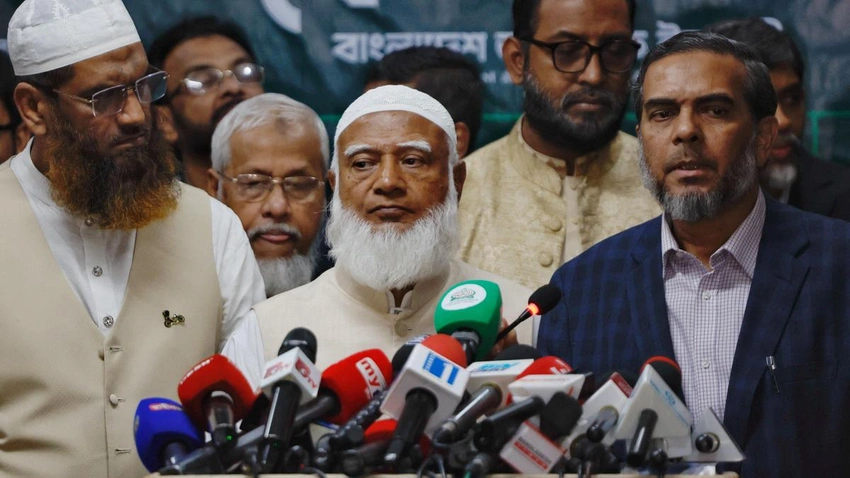
Meanwhile, Jamaat-e-Islami, led by Ameer Shafiqur Rahman, pledged a 'vigilant' opposition, arguing the process suffered alleged inconsistencies and lack of transparency in the Election Commission. The party's gains are below its own expectations, but still mark a notable presence.
BNP's ascent after two decades is seen by observers as a potential turning point for Dhaka's governance. Media commentary suggested the party could form the government, with Tarique Rahman in the spotlight as the chief leader. Analysts caution that the road ahead will require bridges with regional neighbors, including India, and clarity on policy delivery.
As the political mood shifts, analysts say the balancing act with India and the Ganga waters treaty, a longtime priority in regional diplomacy, will be among the first tests for the new government. The coverage underscores how the election's outcomes set the stage for a period of intense scrutiny and realignment in Bangladeshi politics.
