AI Ate Our Code, Now It Wants Our Fries: Job Apocalypse or Evolution?

AI Ate Our Code, Now It Wants Our Fries: Job Apocalypse or Evolution?
AI is rapidly expanding from complex coding tasks to everyday service roles like fast food drive-thrus. Will this automation revolutionize work or leave us behind? Let's discuss.
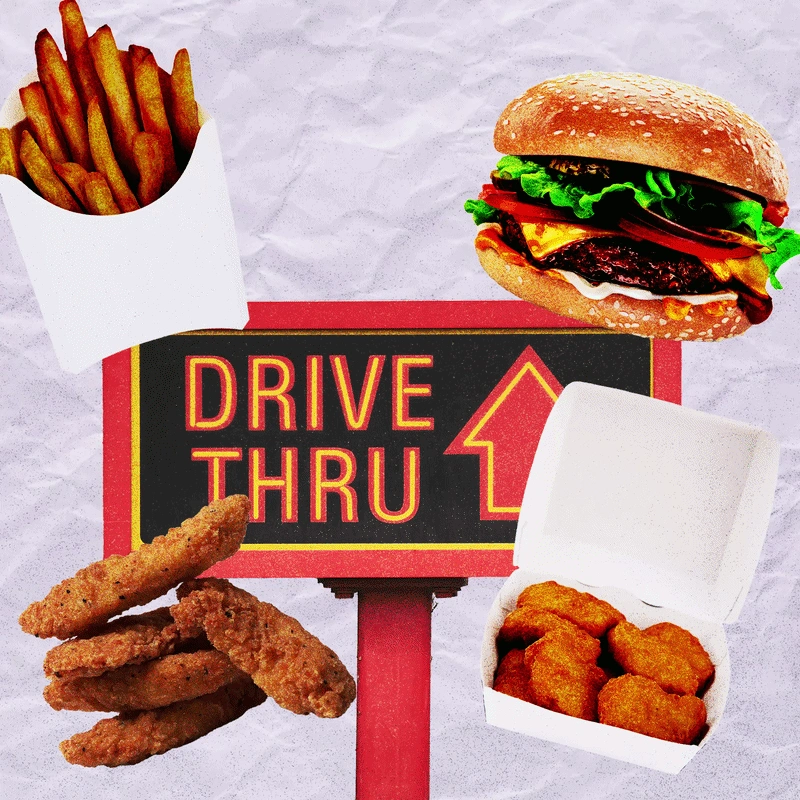
For years, many of us in the tech world have watched artificial intelligence conquer increasingly complex domains, from intricate algorithms to sophisticated coding. Now, a new frontier looms, one far more visible and impactful on daily life: the fast-food drive-thru. Indeed, your next drive-thru order might be taken by a bot.
And you might not even notice. We're not talking about distant science fiction; we're looking at a near-future reality, perhaps as soon as August 3, 2026.
It's about a profound shift in how we conceive of work itself. The transition from AI mastering coding to taking orders for fries and burgers represents a massive leap into the mainstream, touching millions of entry-level jobs globally.
On one hand, the 'job-killer' narrative gains alarming traction.
If AI can handle predictable, repetitive tasks like order-taking, what happens to the vast workforce currently performing these roles? The fear is real: widespread displacement, particularly for those with fewer specialized skills, leading to economic instability and social unrest. It's a tangible threat to livelihoods.
However, focusing solely on job destruction misses the larger picture of evolution. The 'future of work' perspective argues that AI isn't solely about replacement, but about augmentation and transformation . Think about it: while a bot handles the basic order, what if human employees are freed up for more complex customer service issues, food preparation, quality control, or even new roles managing the AI systems themselves?
We'll need people to train these AI models, maintain their hardware, and develop the next generation of automation. Instead of seeing a stark binary of human versus machine, we should envision a symbiotic relationship where AI handles the routine, allowing humans to focus on tasks requiring creativity, empathy, and critical thinking.
The real challenge lies in the transition. While businesses might gain from increased efficiency, reduced labor costs, and consistent service, society must grapple with equipping its workforce for these new demands.
It requires proactive investment in reskilling, education, and innovative social safety nets.
The question isn't whether AI will change work, it already is and will continue to do so at an accelerated pace. The critical inquiry is how we manage this change to ensure it benefits humanity as a whole, rather than exacerbating existing inequalities. Are we prepared to adapt, innovate, and lead this transformation, or will we simply let it happen to us?
