1990s Pontiac Vehicles: Firebird, Grand Prix, Sunfire & More

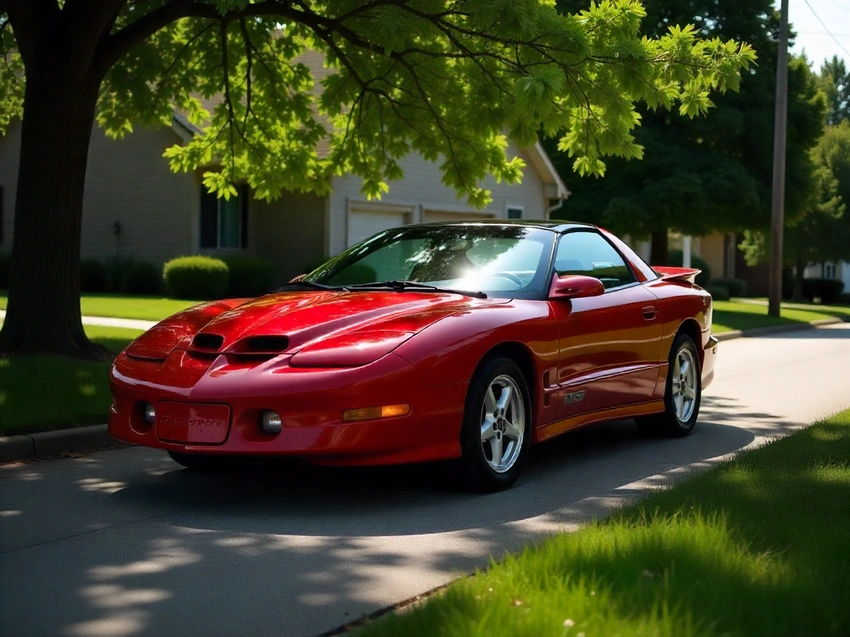
1990s Pontiac Vehicles: Firebird, Grand Prix, Sunfire & More
The 1990s were a vibrant era for Pontiac, General Motors’ performance-driven brand, known for its bold designs and spirited driving dynamics.
1990s Pontiac Vehicles Overview
The 1990s were a vibrant era for Pontiac, General Motors’ performance-driven brand, known for its bold designs and spirited driving dynamics. As consumer preferences shifted toward SUVs and fuel-efficient vehicles, Pontiac maintained its identity as the “excitement” division with a diverse lineup of sports cars, sedans, and compacts. Models like the Firebird, Grand Prix, Bonneville, Grand Am, and Sunfire defined the decade, blending American power with modern styling. This comprehensive overview explores Pontiac’s 1990s vehicles, their market impact, and their enduring legacy, drawing insights from sources like AmeriFreight’s blog on 1990s Pontiac cars 🔗.
Firebird and Trans Am: Icons of American Muscle
The Pontiac Firebird, particularly the Trans Am variant, was the flagship of Pontiac’s 1990s lineup. The fourth-generation Firebird, launched in 1993, featured sleek aerodynamics, pop-up headlights, and aggressive styling cues like hood vents and spoilers. The base model offered a 3.4L V6 with 160 horsepower, while the Trans Am’s 5.7L LT1 V8 delivered 275 horsepower. By 1998, the LS1 V8, shared with the Chevrolet Corvette, boosted output to 305–325 horsepower with the Ram Air WS6 package, achieving 0–60 mph in as little as 5.2 seconds.
The Firebird’s handling was enhanced by upgraded suspension and performance packages, making it a favorite for enthusiasts. The rare 1990 Trans Am 1LE, with only four units produced, featured a 5.0L V8 (225 horsepower) and race-ready upgrades like an aluminum driveshaft, built for SCCA racing. Despite its performance prowess, declining sports car demand and high insurance costs led to sales dropping to around 20,000 units by 1990. The Firebird’s bold design and cultural presence in films and car shows cemented its status as a collectible icon.
Grand Prix: The Sporty Family Sedan
The Pontiac Grand Prix evolved significantly in the 1990s, transitioning from a sporty coupe to a versatile sedan. The fifth-generation (1988–1996) offered engines like the 2.3L Quad 4 and 3.4L V6, with the GTP trim introducing a supercharged 3.8L V6 by 1997, producing 240 horsepower. The 1997 sixth-generation redesign featured a wider stance, bold grille, and sporty aesthetics, competing with the Ford Taurus and Dodge Intrepid.
With features like a heads-up display and sport-tuned suspension, the Grand Prix GTP balanced performance and comfort, appealing to families and enthusiasts. Its sales peaked at over 100,000 units annually, reflecting its broad appeal. While some models faced reliability issues, the Grand Prix’s blend of style and practicality made it a cornerstone of Pontiac’s lineup, embodying the brand’s performance ethos.
Bonneville: Luxury with a Performance Edge
The Pontiac Bonneville, a full-size sedan, combined luxury with Pontiac’s signature sportiness. The ninth-generation (1992–1999) featured a sleek design and a 3.8L V6 producing 170–205 horsepower, with the SSEi trim’s supercharged version delivering up to 240 horsepower. Its spacious interior, equipped with leather seats and optional traction control, rivaled the Chrysler LHS and Oldsmobile Aurora.
The Bonneville’s wide-track chassis offered responsive handling for its size, though fuel economy (around 20 mpg combined) trailed smaller competitors. As SUVs gained popularity, sales declined, but the SSEi’s performance credentials kept it relevant for buyers seeking a blend of comfort and power. The Bonneville remained a symbol of Pontiac’s ability to deliver upscale vehicles with a sporty flair, appealing to traditional sedan buyers.
Grand Am: The Youthful Best-Seller
Redesigned in 1992, the Pontiac Grand Am became one of Pontiac’s top-selling models, available as a coupe or sedan. It offered a 2.3L Quad 4 or 3.1L V6 engine, producing up to 180 horsepower, with sporty styling and affordable pricing starting around $12,000. The Grand Am’s bold grille and sculpted lines appealed to younger buyers, competing with the Honda Accord and Toyota Corolla.
While praised for its value and youthful appeal, the Grand Am faced criticism for its interior quality, with plasticky materials compared to Japanese rivals. Its sales success, often exceeding 150,000 units annually, underscored its popularity as a stylish, budget-friendly option. The Grand Am’s sporty character and accessibility made it a key player in Pontiac’s 1990s strategy.
Sunfire: The Compact Crowd-Pleaser
Introduced in 1995, the Pontiac Sunfire replaced the Sunbird as Pontiac’s entry-level compact, targeting younger drivers with its sporty design and low cost. Available as a coupe, sedan, or convertible, it featured a 2.2L four-cylinder engine (115 horsepower) or a 2.4L twin-cam engine (150 horsepower). Priced around $11,000, it competed with the Dodge Neon and Honda Civic.
The Sunfire’s bold styling, with a distinctive grille and available sport suspension, appealed to the tuner culture, while its reliability attracted first-time buyers. Sales reached over 100,000 units annually, reflecting its market success. Though its interior lagged in refinement, the Sunfire’s affordability and customization potential made it a favorite among young drivers.
Navigating Market Shifts
The 1990s challenged Pontiac with the rise of SUVs, led by models like the Ford Explorer, and stricter emissions regulations. Pontiac adapted by introducing efficient engines, like the supercharged 3.8L V6, and enhancing build quality to compete with Japanese brands like Honda and Toyota. The brand’s marketing emphasized its performance heritage, with the Firebird and Grand Prix as flagships of excitement.
Declining sports car sales and the SUV boom pressured Pontiac’s traditional lineup, leading to experiments like the Trans Sport minivan in 1990, which offered futuristic styling but limited success. Pontiac’s focus on bold design and performance kept it relevant, though some models faced reliability concerns compared to Japanese competitors.
Cultural Significance and Legacy
Pontiac’s 1990s vehicles left a lasting mark on car culture. The Firebird and Trans Am, with their V8 power and aggressive styling, became icons in films, video games, and car shows, embodying American muscle. The Grand Prix and Grand Am appealed to practical buyers with a sporty edge, while the Bonneville offered luxury with performance. The Sunfire tapped into the tuner scene, with modified examples showcased at meets.
As noted in AmeriFreight’s blog 🔗, Pontiac’s 1990s lineup balanced innovation with its performance roots. The Firebird remains a collector’s favorite, with rare models like the 1990 Trans Am 1LE highly prized. The Grand Prix and Grand Am’s sales success highlighted Pontiac’s market strength, while the Sunfire’s affordability made it a youth icon.
Conclusion
Pontiac’s 1990s vehicles, as detailed in AmeriFreight’s blog 🔗, showcased the brand’s commitment to excitement amid a changing market. The Firebird delivered raw power, the Grand Prix and Grand Am offered sporty practicality, the Bonneville blended luxury and performance, and the Sunfire brought youthful flair. Despite challenges from SUVs and competitors, these models defined Pontiac’s identity as GM’s performance division. Their legacy endures in collector circles and car culture, marking the 1990s as a vibrant chapter before Pontiac’s discontinuation in 2010.
