Putin’s Bold Delhi Visit Sparks Nuclear, Trade and Defence Shake-Up

Putin’s Bold Delhi Visit Sparks Nuclear, Trade and Defence Shake-Up
Modi and Putin seal sweeping deals in Delhi. Nuclear, defence, trade, and Arctic routes dominate talks.
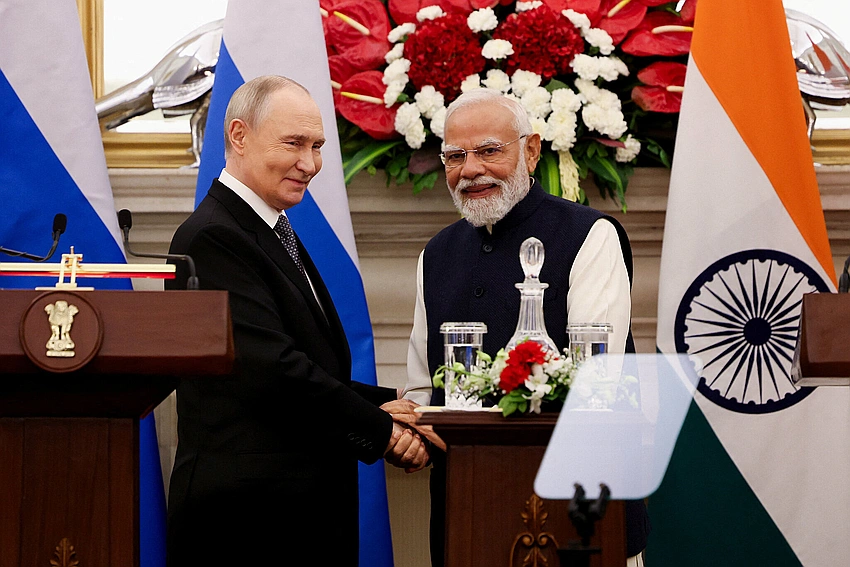
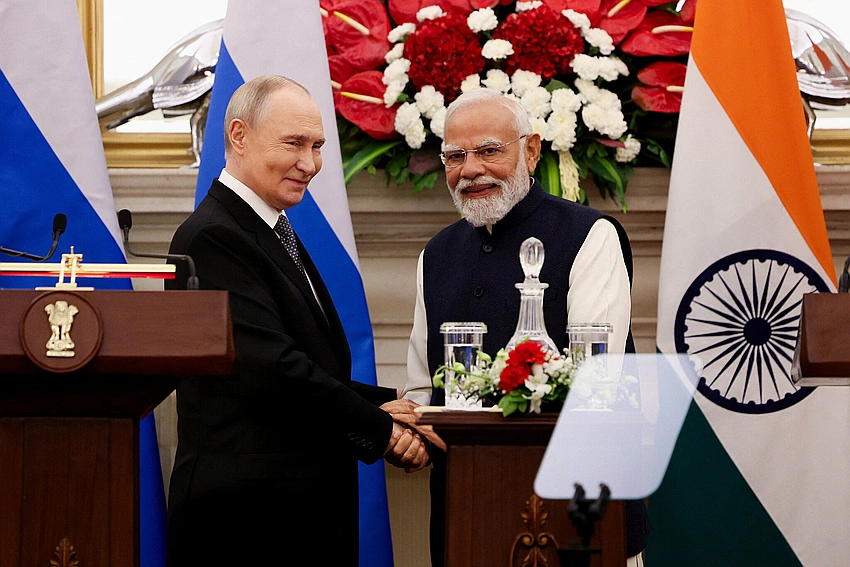
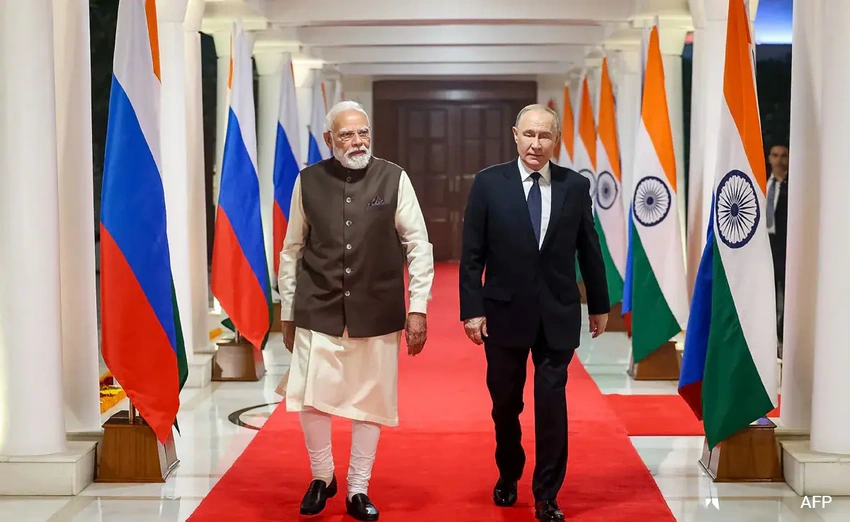
Russian President Vladimir Putin landed in New Delhi for his first visit since 2021. Prime Minister Narendra Modi welcomed him with full state honours. The meeting marked the 23rd Annual India–Russia Summit. It was not routine diplomacy. It was a recalibration of global power.
Trade Under Pressure
Sanctions have cut Russia off from Western markets. India has stepped in. Both leaders announced a new Economic Cooperation Programme till 2030. The focus is clear: shield trade from external shocks. Rupee-Ruble settlements will bypass SWIFT. Central bank digital currency platforms will be linked.
India imports fertilizers worth $12 billion annually. Russia supplies the majority. Agreements were signed to stabilize this flow. Joint ventures will secure supply chains. For India’s farmers, this is critical.
Energy And Nuclear Push
Energy dominated the talks. Russia promised steady oil supplies despite sanctions. India will expand nuclear cooperation. The Kudankulam plant will reach 6 GW. Another nuclear site will be built. India’s target of 100 GW nuclear power by 2047 looks more realistic now.
Defence Without Dependence
Defence ties remain strong. But India wants independence. The summit emphasized joint production. Spare parts will be localized. The BrahMos model will be replicated. SU‑57 jets and S‑400 systems were discussed. No new deals were signed. The message is clear: India will not be a client state.
Arctic And New Corridors
Russia invited India into Arctic projects. Oil and gas reserves are vast. ONGC already has stakes. The Northern Sea Route offers faster shipping. The Chennai–Vladivostok corridor was highlighted. These routes will reduce reliance on traditional chokepoints.
Minerals And Space
Critical minerals cooperation was announced. Both nations backed treaties against an arms race in space. They also pledged to counter bioweapons. Radicalization and drone misuse were flagged as shared threats.
The Trade Imbalance Problem
India–Russia trade stands at $65 billion. India exports less than $5 billion. Modi pushed for balance. Russia was urged to import more Indian goods. The embassy identified $8 billion potential in new categories. The target is $100 billion trade by 2030.
India is negotiating a free trade deal with the Eurasian Economic Union. Talks with the EU are also advancing. A deal is expected before Republic Day 2026. For India, global trade is now strategic. Russia remains a partner, but not the only one.
Symbolism And Strategy
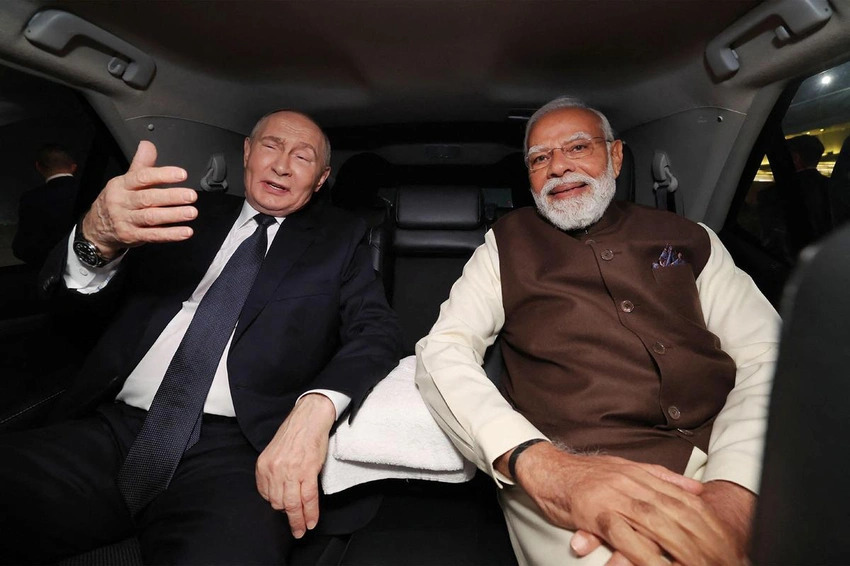
Putin’s presence in Delhi was symbolic. Russia sees India as dependable. India sees Russia as useful but not dominant. Both sides signaled commitment to an eight-decade-old relationship. Yet India’s eyes are also on Europe and the U.S.
Why It Matters
This summit was about more than agreements. It was about positioning. India is balancing old ties with new ambitions. Russia is diversifying away from China. The joint statement ran 70 paragraphs. Every line was a signal.
