Hollywood's Digital Doppelgangers: Are We Ready for AI Actors?
Hollywood's Digital Doppelgangers: Are We Ready for AI Actors?
AI voices and digital doubles are poised to reshape Hollywood. While exciting for endless franchises, what does this mean for real actors, creativity, and the very soul of cinema? Dive into the ethical tightrope walk ahe
The Ethical Dilemma of AI in Hollywood: Should Digital Doubles Replace Beloved Actors?
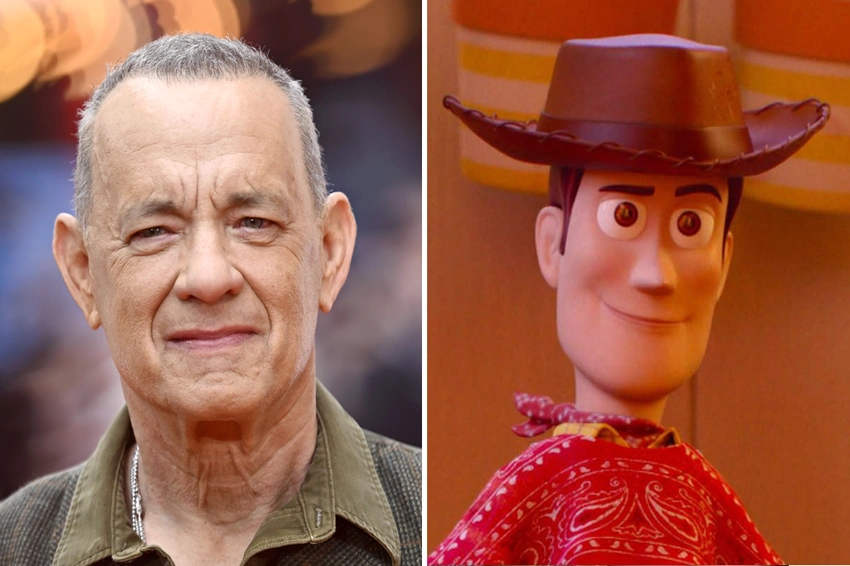
Imagine your favorite animated character, voiced by an actor you've loved for decades. Now imagine that actor decides to step back, or worse, is no longer with us. The technology exists today to perfectly recreate their voice, their likeness, their very essence, all powered by artificial intelligence. The idea of eternal cinematic life for beloved characters and actors sounds almost like a sci-fi fantasy, but it's rapidly becoming a reality, sparking a fascinating and frankly, a bit scary, debate in Hollywood.
On one hand, the appeal is undeniable. Think of long-running franchises that could continue indefinitely, never losing the iconic voices or faces that define them. For studios, this offers unparalleled continuity and potentially, massive cost savings down the line. For fans, it means never having to say goodbye to a character they adore, or perhaps even seeing a deceased legend 'perform' new material. It's a powerful promise of creative freedom and endless possibilities.
However, beneath this gleaming digital surface lies a complex ethical minefield. At its core, acting is a human art form. It's about nuance, improvisation, emotion, and the unique spark that a living, breathing person brings to a role. Can an AI truly replicate that? Or does it merely offer a sophisticated imitation, a digital ghost of what once was? The concern isn't just about technical capability, but about the very soul of performance.
Then there's the monumental question of actor rights and compensation. If an actor's voice or likeness can be digitally captured and used ad infinitum, who owns that digital 'persona'? How are they compensated for its future use, long after their original contract ends, or even after their lifetime? The current legal frameworks are woefully unprepared for such complexities. There's a real fear that actors, particularly those less famous, could be exploited, their digital selves becoming indentured servants to a studio's endless production cycle. What protections will be in place to ensure fair play, and more importantly, ongoing consent?
Furthermore, the widespread adoption of AI doubles could lead to significant job displacement. Why cast a new actor when you can digitally resurrect a universally recognized one? This isn't just about A-listers; it impacts stunt performers, background artists, voice actors, and potentially even future generations of talent trying to break into the industry. Hollywood thrives on new blood, new perspectives, and new interpretations. A future dominated by digital recreations risks stagnating creativity and limiting opportunities for emerging artists.
As we navigate this brave new digital frontier, we must prioritize humanity over technology. Solutions will require robust regulations, strong union negotiations, and clear legal precedents that protect an artist's digital rights. We need transparent consent, fair and ongoing compensation models, and perhaps a collective understanding that while AI can replicate, it cannot truly create in the same human sense. The conversation isn't about halting progress, but about guiding it ethically, ensuring that the magic of Hollywood continues to be born from human artistry, not just algorithms.
