House Passes Stock Trading Ban, But Voter ID Rider Sparks Fury

House Passes Stock Trading Ban, But Voter ID Rider Sparks Fury
House Republicans pass a bill to ban stock trading by members of Congress. But a controversial Voter ID requirement added by GOP sparks Democratic opposition, overshadowing bipartisan support for ethics reform. Dive into
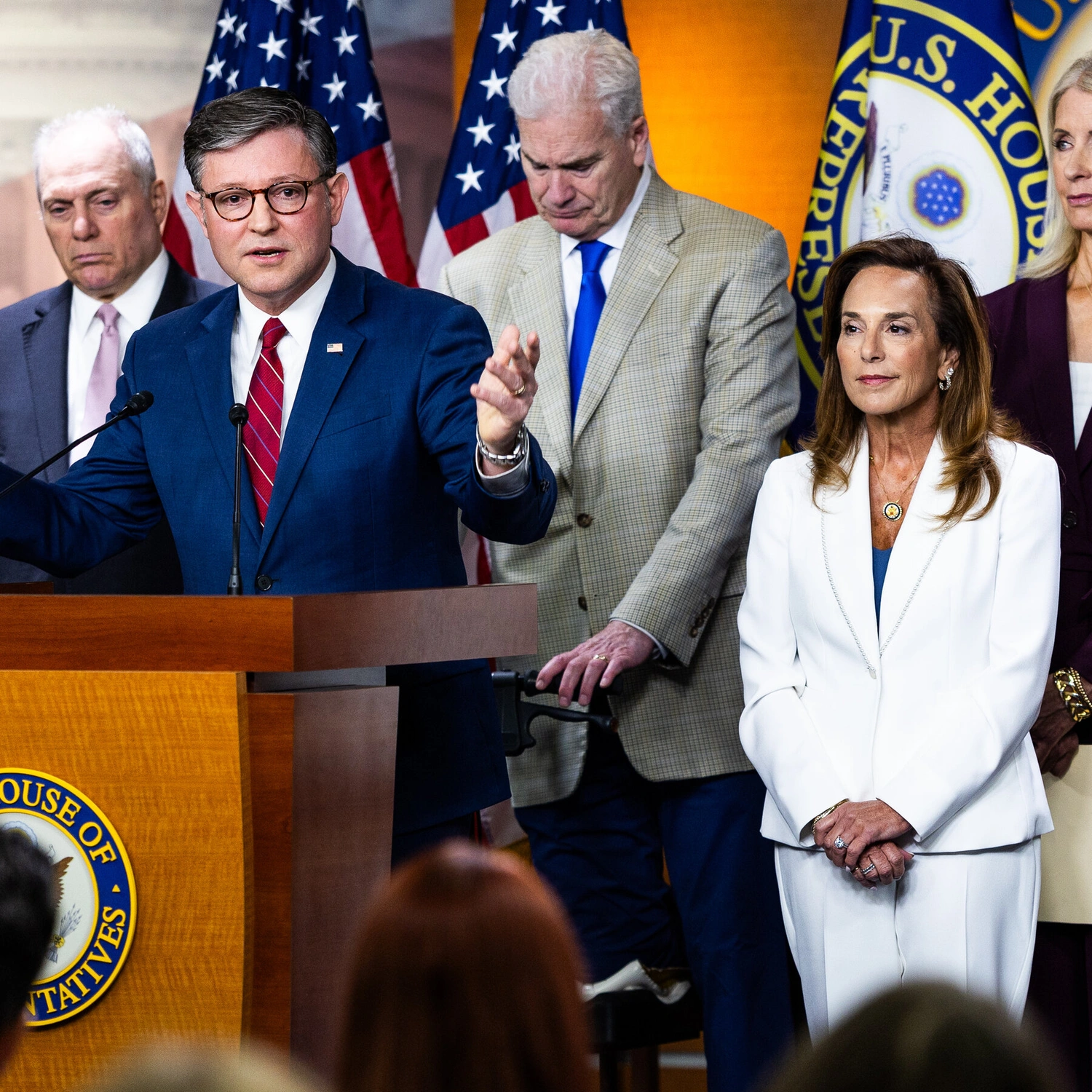
Washington D.C. — In a move that has drawn both praise and significant controversy, the U.S. House of Representatives on Wednesday, July 22, 2026, passed a bill aimed at prohibiting members of Congress from purchasing additional stocks while in office. The measure addresses a long-standing public outcry against potential conflicts of interest arising from lawmakers' financial dealings.
While the core idea of banning congressional stock trading has garnered bipartisan support, the bill's passage was complicated by the inclusion of unrelated provisions. House Republicans tied the ethics bill to President Trump’s 'SAVE Act' and a new Voter ID requirement. These additions, particularly the Voter ID measure, sparked strong opposition from Democrats, who argue they are restrictive and undermine voting access.
The original push for a congressional stock trading ban gained momentum due to widespread public concern over lawmakers potentially using privileged information for personal financial gain. Many advocacy groups and constituents have called for stricter ethics rules to restore public trust in government.
However, the strategic decision by House Republicans to attach the Voter ID and SAVE Act provisions transformed a potentially straightforward ethics reform into a politically charged debate. Democrats, who might otherwise have supported the stock trading ban, found themselves unable to endorse the combined package due to their fundamental disagreements with the added voting restrictions.
Critics argue that linking these disparate issues is a tactic to force through controversial measures or to intentionally derail bills that have broad public backing. This legislative maneuver has effectively overshadowed the primary intent of the bill, to curb congressional stock trading, and instead highlighted the ongoing partisan divides within Congress. The future of this complex legislation in the Senate remains uncertain, given the deep divisions it has created.
