Luxury's Identity Crisis: Is High Fashion Losing Gen Z?

Luxury's Identity Crisis: Is High Fashion Losing Gen Z?
High fashion is embracing chaos, but Gen Z finds luxury distasteful and expensive. Brands are adapting to youth culture, but is it working? Discover the luxury market's complex future.
The Youthquake: Why Luxury Is Trading Polish for Punk
Fashion is feeling a little messy this season, truly embracing the chaos and lack of decorum that so often defines youth. We're seeing Prada lean into skimpy bras and nu-rave neons, while Glenn Martens' swansong for Diesel featured snogging actors and shredded looks. Even Burberry took a tarnished approach, with Central Cee swaggering down the runway in sagged baggy jeans.
So much for the luxury polish we once knew.
But here's the paradox: How does this embrace of youth style and subcultures square with luxury price hikes and reduced luxury spending among Gen Z shoppers? Consumer sentiment is undeniably shaky. Many young people consider spending large amounts on luxury distasteful, not seeing new goods as worth the cost.
For them, a unique vintage find offers more cultural capital than a pricey, brand-new purchase. Marni's latest collection, with its “Gen Z chaos” at couture prices, perfectly illustrates this price-audience dissonance.
The Great Taste Shift
Just a few years ago, 'quiet luxury' was on everyone's lips. Now, that trend has largely passed, remaining only with the heritage houses like Hermès, Brunello Cucinelli, and The Row. Today's edgy runway propositions can often be achieved on a budget through savvy styling, super-fakes, or thrifted finds.
This shift seems a risky move for brands expecting a strong return on investment.
By adopting this aesthetic, fashion houses are positioning themselves as inversely aspirational. They pull inspiration from youth tribes and then attempt to sell it back to them. Prada's Fall/Winter 2026 women's collection, characterized by soiled shirt cuffs and frayed hems, felt more attuned to a thrift store than a jet-setter's wardrobe.
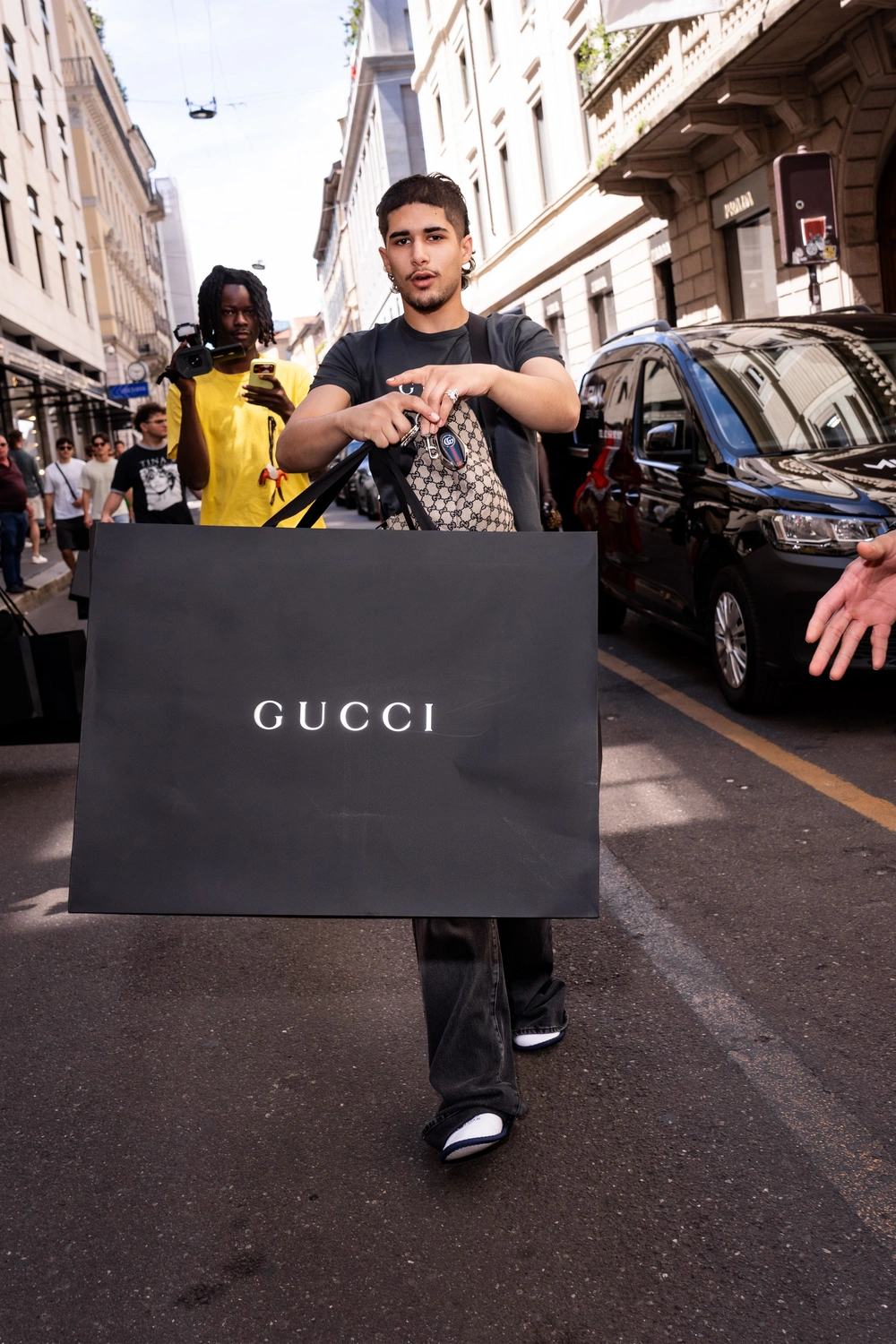
Similarly, Demna's Gucci has been highly Gen Z-led, with runway cameos from underground rappers Fakemink and Nettspend, alongside It-girls Gabbriette and Amelia Gray. Pundits even comment that the clothes look borderline fake, chiming with internet irony rather than traditional quality.
Understanding the Youth Mindset
Bayla Metzger, Archrival’s senior editor for thought leadership, notes that today, young consumers are the center of culture, not the brands themselves. She believes brands are right to seek inspiration:
“While the aesthetics rising right now are messy and confusing, they reflect the psychological state of the next generation,” she explains. “Young people face an uncertain future. They’ve heard that AI might wipe out humanity in the next 10 years, and they’re contending with what that means for them.”
The result, according to Metzger, is a Gen Z that balances drive and ambition with a more nihilistic worldview, reflected in a return to trends like tanning and, as seen on runways, smoking.
The Road Ahead
The roadmap for brands is complex. Luxury has stabilized, but its return to growth in 2026 will be slow, as Bain predicts. Despite their perceived disloyalty, Gen Z's spending power is set to reach a staggering $12 trillion globally by 2030, according to NielsenIQ.
They are projected to lead affluent spending growth, reaching $12.4 trillion by 2036 with an 8.7% compound annual growth rate (CAGR).
Gen Alpha isn't far behind, with an 8.1% CAGR.
In the US alone, Gen Z is forecast to account for 25-30% of luxury purchases by 2030, according to WGSN. The challenge for luxury brands is clear: how to authentically connect with a generation that values cultural capital and authenticity over ostentatious displays of wealth, especially when their own creations often mimic budget-friendly alternatives.
