Unmasking AI: How Socrates’ Ancient Wisdom Guides Our Digital Future

The Socratic method, with its relentless questioning and intellectual humility, offers the ultimate framework for understanding and evaluating the complex world of Artificial Intelligence. Discover why ancient philosophy
Socrates' Secret Weapon for the AI Age
Artificial intelligence promises to reshape our world, but with great power comes great confusion. How do we truly understand these complex systems, assess their biases, and harness their potential responsibly? The answer, surprisingly, might lie not in Silicon Valley, but in ancient Athens, with the philosopher Socrates.
His method of relentless questioning-the Socratic method-and his famous intellectual humility are not just historical curiosities.
They are, in fact, the ultimate framework for evaluating AI, ensuring we build and deploy these tools with integrity and wisdom.
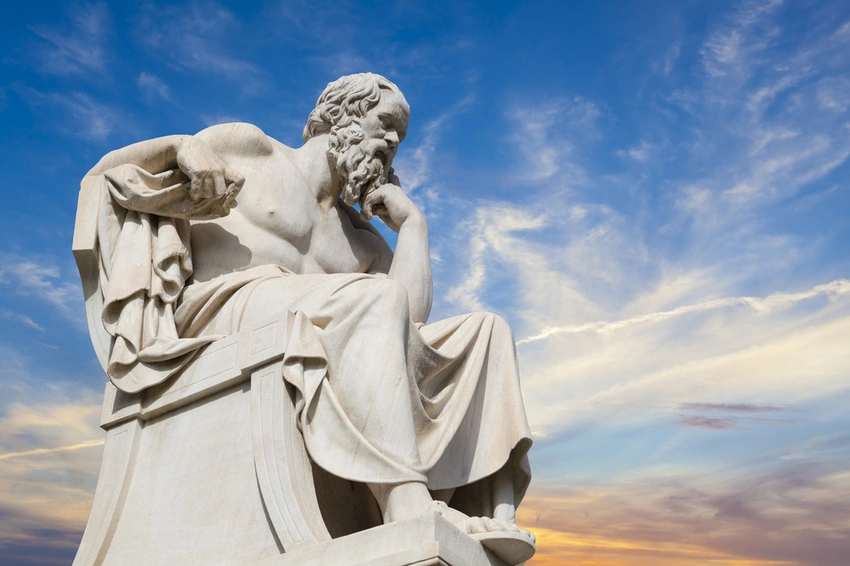
The Socratic Interrogation of AI
Imagine Socrates engaging with an AI. He wouldn't marvel silently; he'd ask: “What do you claim to know? How do you know it?
What are your assumptions, and who instilled them?” This isn't just about debugging code; it's about interrogating the very foundations of AI's 'knowledge' and 'decision-making'.
Many AI systems are black boxes, their internal workings opaque even to their creators. The Socratic method demands transparency. It forces us to ask critical questions about data sources, algorithmic biases, and the ethical implications of autonomous choices.
Without this rigorous examination, we risk embedding and amplifying societal flaws within our most advanced technologies.

Embracing Intellectual Humility in AI Development
Socrates' profound declaration, “ The only true wisdom is in knowing you know nothing ,” is especially pertinent to AI.
In a field moving at lightning speed, there's a natural temptation for hubris-to assume we fully comprehend AI's capabilities and limitations. But intellectual humility urges caution.
It reminds us that our understanding of AI is always evolving. We must be open to its unexpected behaviors, its potential for harm, and the ethical dilemmas it continuously presents. This isn't a sign of weakness, but of strength-a commitment to continuous learning and responsible innovation.
Businesses and developers must foster an environment where admitting uncertainty is valued, not penalized.

'Know Thyself,' Know Your AI
The ancient maxim, 'Know Thyself,' extends beyond the individual to the creations we bring into being.
For AI, 'knowing thyself' means understanding its design philosophy, its operational boundaries, and its societal impact.
It's about being acutely aware of the 'why' behind the 'what.'
This principle calls for us to thoroughly audit AI systems, not just for performance, but for their alignment with human values. It's about recognizing that AI is a mirror reflecting our own intentions, biases, and ambitions. By applying Socratic rigor, we can build AI that truly serves humanity, fostering collaboration rather than control, and ensuring a future where technology empowers, rather than diminishes, our collective wisdom.
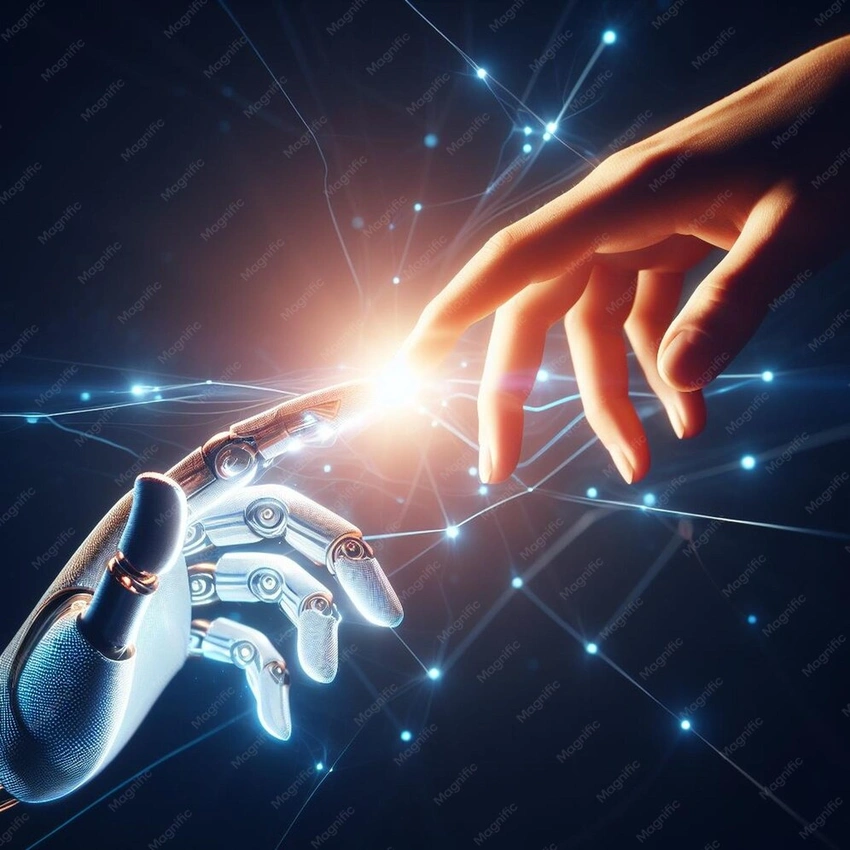
Our Collective Socratic Challenge
Ultimately, Socrates teaches us that true progress stems from a ceaseless pursuit of deeper understanding, coupled with the humility to admit when we don't understand. As AI continues its rapid ascent, we face a collective Socratic challenge: to never stop questioning, never stop learning, and never stop striving for a wiser, more ethical future.
Our ability to thrive in the age of AI depends on embracing this ancient, yet profoundly modern, philosophy.
