BYD Overtakes Tesla as World's Top EV Seller in 2025

BYD Overtakes Tesla as World's Top EV Seller in 2025
BYD tops Tesla in 2025 EV sales, signaling a shift as subsidies fade and Chinese rivals press ahead with lower-priced models.
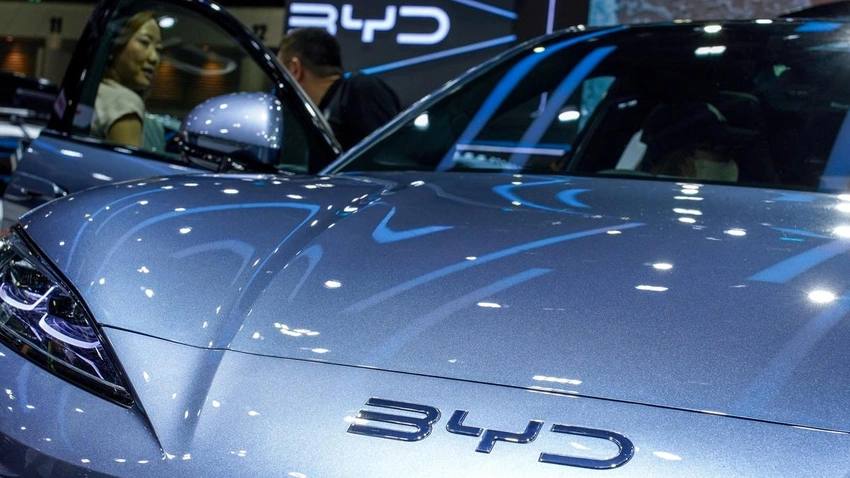
BYD has surpassed Tesla to become the world’s leading seller of electric vehicles in 2025, marking a historic shift in the global EV race. The Shenzhen-based giant reported sales of about 2.26 million battery-powered vehicles last year, while Tesla posted roughly 1.64 million, a nearly 9% drop from the previous year. The milestone underscores how quickly the EV landscape is evolving as competition grows more intense and pricing becomes a decisive factor for buyers around the world.
Analysts say the squeeze on demand in key markets is partly linked to policy changes in the United States. The elimination of a federal subsidy that could have knocked up to $7,500 off the price of qualifying EVs last year cooled demand for American-made models and opened the door for more aggressive pricing from Chinese rivals. In response, Tesla introduced lower-priced versions of its best-selling models in the U.S. in an attempt to hold market share, but the gains were not enough to avert a broader downshift in deliveries.
Beyond the subsidy shift, BYD’s rapid expansion reflects a broader push by Chinese automakers to scale production and offer competitively priced EVs across a broad range of segments. Firms such as Geely and MG have increased their own EV offerings, applying pressure with price points designed to attract mass-market buyers. The resulting price competition is reshaping the battleground for global EV leadership, pushing incumbents to accelerate innovation while chasing volume growth in both established markets and developing regions.
Industry observers expect the trend to continue as demand seeks an equilibrium, with the real test coming in how manufacturers balance affordability with technology, quality, and supply resilience. Tesla remains a wildly influential player in autonomous mobility and robotics, while BYD’s aggressive expansion signals that a more diverse set of Chinese companies could increasingly shape the world’s EV roadmap. The coming years will reveal whether the new leadership is a temporary shift or the beginning of a longer-term reordering of the electric vehicle market.
