England's Energy Drink Ban for Under-16s: What You Need to Know!
England's Energy Drink Ban for Under-16s: What You Need to Know!
Major news for parents and teens in England! A new law banning energy drink sales to under-16s kicks in April 2027. Find out why this change is happening & how it affects young people.
Starting April 2027, children and teenagers under the age of 16 in England will no longer be able to purchase high-caffeine energy drinks. The government has announced this significant move, making it illegal for shops, restaurants, cafes, vending machines, and online retailers to sell these beverages to anyone under the specified age.
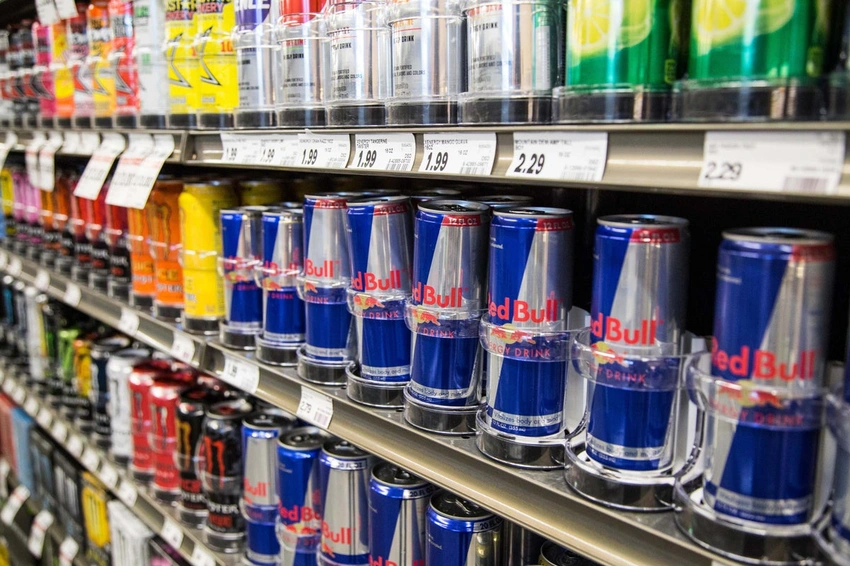
This ban specifically targets drinks containing more than 150mg of caffeine per litre. Popular brands like Red Bull, Monster, Relentless, and Prime are among those that would exceed this new limit. It's important to note that lower-caffeine soft drinks, such as Diet Coke, along with everyday beverages like tea and coffee, will not be affected by these new regulations.
The primary goal behind this measure is to safeguard the health and well-being of young people. The government aims to reduce childhood obesity rates and combat a range of issues linked to excessive energy drink consumption, including disrupted sleep, increased anxiety, difficulties with concentration, and even poorer school performance. Public Health Minister Sharon Hodgson stated that the ban "demonstrates our firm commitment to creating the healthiest generation of children ever."
Statistics show a concerning trend: approximately 100,000 children in England consume energy drinks daily. Many of these drinks pack a powerful punch, with some containing more caffeine than two cups of coffee or four cans of cola. Health experts have highlighted that young people are particularly vulnerable to caffeine's effects due to their smaller body sizes and still-developing brains, linking excessive intake to problems like headaches and sleep disturbances.
The new ban, which is still subject to parliamentary approval, will be rigorously enforced by local authorities. Businesses found to be in violation of the law could face substantial fines, potentially reaching up to £2,500, underscoring the seriousness of this public health initiative.
