Philomena Cunk: Humour and History

Philomena Cunk: Humour and History
Philomena Cunk: Humour and History
Dive into Philomena Cunk’s deadpan satire as the BBC mocks how history is packaged for mass audiences, turning faux-inquiry into a sharp critique of authority on screen.
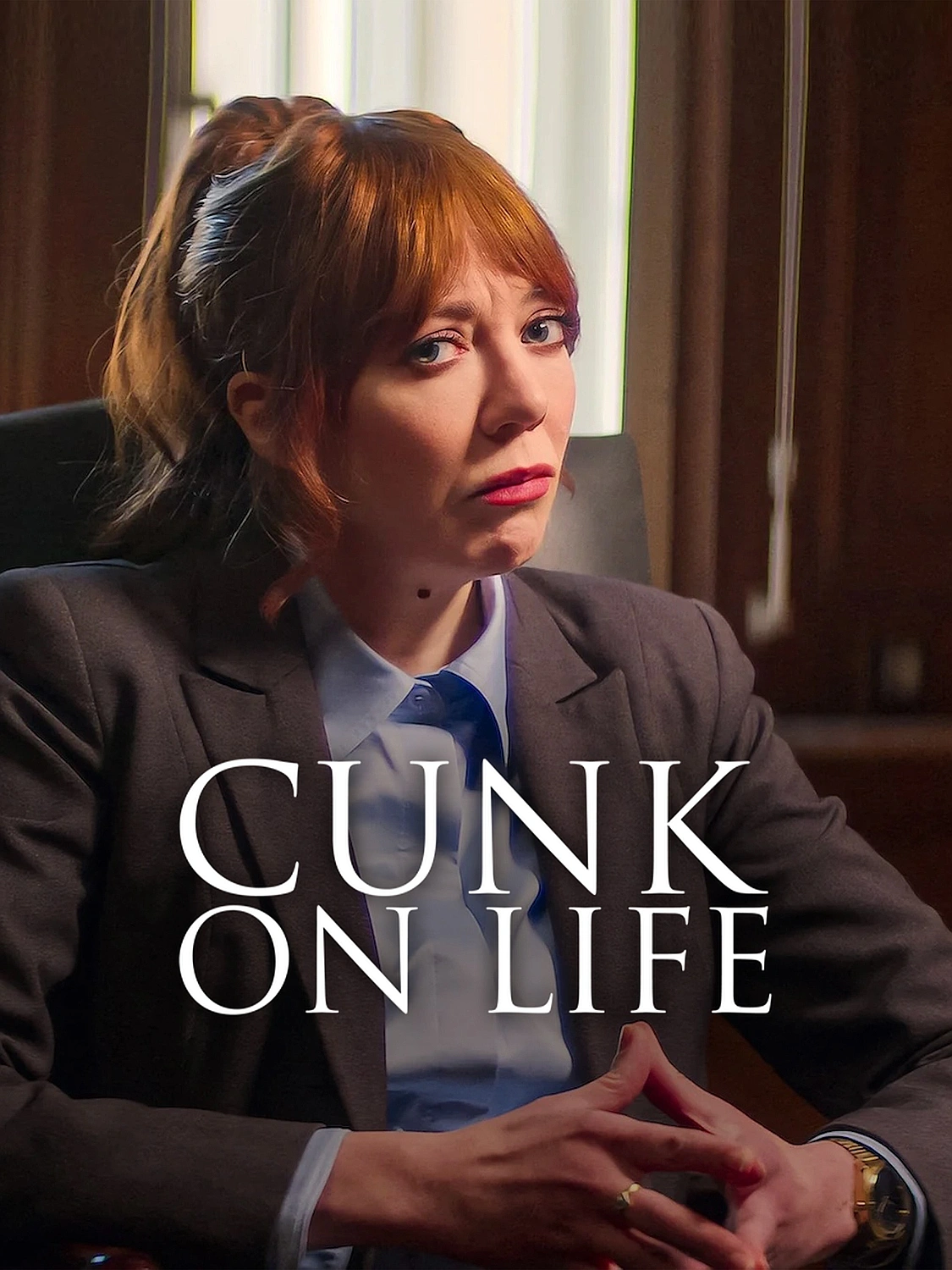
Philomena Cunk arrived on our screens as an absurdly confident ignoramus whose seriousness only amplifies the joke. Played by Diane Morgan and conceived within Charlie Brooker’s satirical orbit, the character first punctured the solemnity of television’s “expert + camera” format in short segments before expanding into longer mock-documentaries. Her recent outings most notably the BBC’s five-part exploration of civilisation and human knowledge have turned the device of faux-inquiry into a sustained critique of how history is packaged for mass audiences.
Deadpan as epistemology
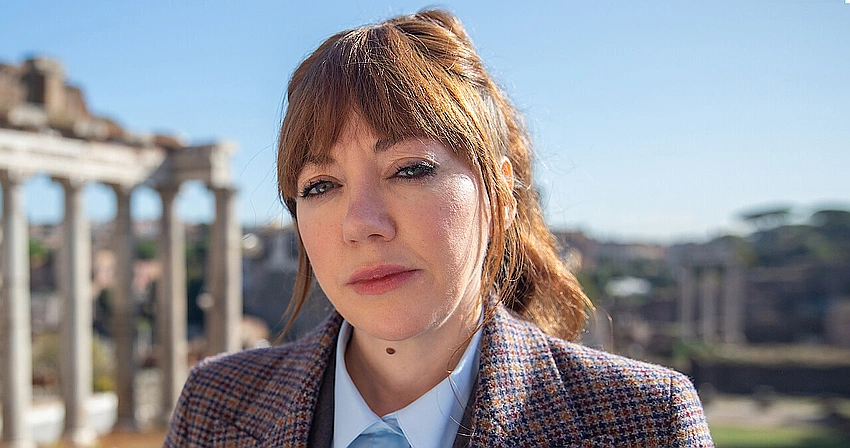
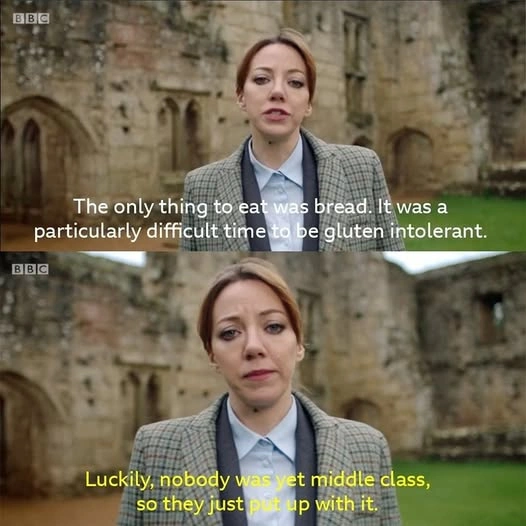
Cunk’s humour depends on a tight, clinical deadpan. Lines land because they are delivered with the calm register of a serious broadcaster, not the frantic cadence of a stand-up. That tonal restraint does theoretical work: it exposes the rhetorical gestures that pass for authority in popular history programming. Rather than caricaturing ignorance as mere silliness, Cunk frames it as a plausible alternative epistemology, one that treats certainty as a performance. The result is comedy that both delights and disarms: viewers laugh at the absurdity while being nudged to notice how easily complex subjects can be flattened for televisual consumption.
Satire of expertise (and its limits)
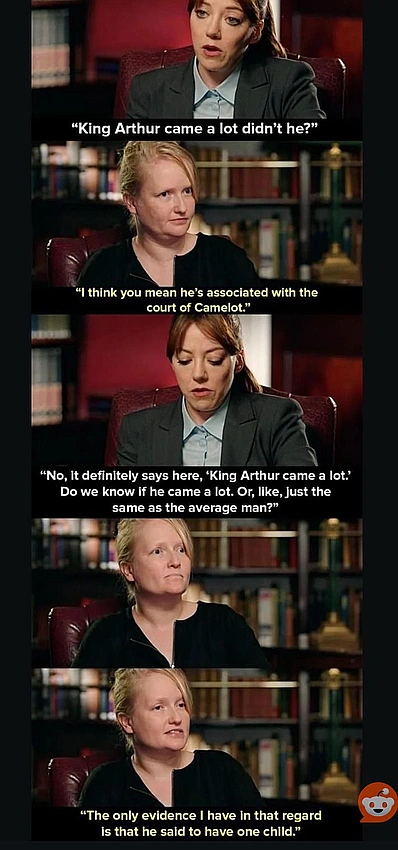
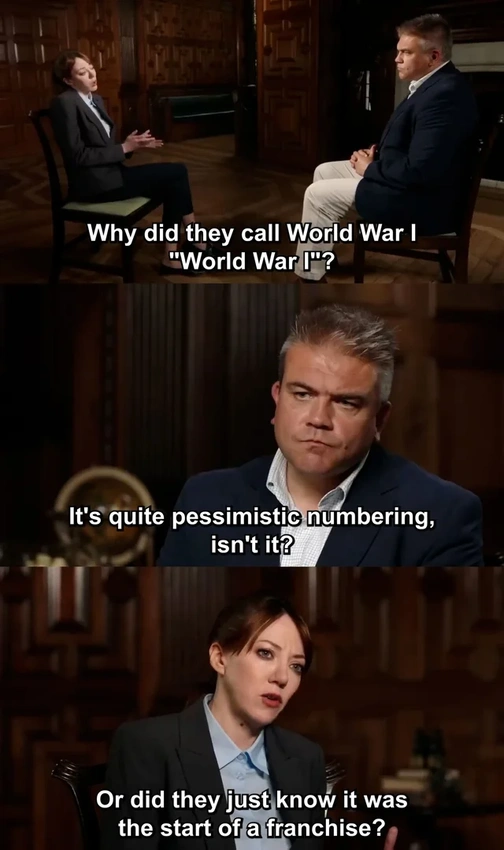
One of the striking formal gambits in the Cunk series is the way it sandwiches real academics and specialists into exchanges with someone who is ostentatiously misinformed. The juxtaposition is textbook satire: the expert’s care and nuance are rendered visible precisely because Cunk’s questions are blunt, often silly, and occasionally maliciously literal. Yet this technique carries responsibilities.
By putting specialists on the spot for laughs the show risks reinforcing anti-intellectual currents that value spectacle over slow, patient scholarship. In practice, many interviewed experts appear amused or wearily indulgent, and the show’s writers generally craft questions that reveal the expert’s patience as another source of humour not their ignorance. This dynamic creates a meta-conversation about public pedagogy: what happens when rigorous knowledge meets an audience primed for punchlines?
What the jokes say about history
Cunk’s treatment of historical narrative is revealing. History, on television, is often a tidy procession of names, dates and telegraphed meanings, a moralised timeline that comforts as much as it instructs. Cunk’s strategy is to take these telegraphed meanings and push them to absurdity: if everyone remembers rulers and wars, she asks why no one remembers the socks of the rulers, or posits improbable causal chains with deadpan sincerity. In doing so she underlines two linked points. First, that the canon of historical “fact” is curatorial. Choices are made about what to remember and what to omit. Second, that the pedagogical forms we use (voiceover, talking heads, archival montage) are themselves ideological; they shape the kinds of questions audiences think worth asking. Her humour thus becomes a method: destabilising received narratives by literalising their blind spots.
Ethics, laughter and empathy
A lively debate around the Cunk phenomenon concerns ethics: is it permissible to mine the anxieties of the present and the tragedies of the past for comic effect? The series generally avoids cheap grotesquerie; its target is not victims but institutions of representation. When Cunk handles sensitive material such as mass death, religious belief, colonial histories, the joke often pivots on the gap between her flippant framing and the gravity of the subject. That gap can be productive, prompting viewers to recognise how mediated our relationship to traumatic histories already is. Yet there remain moments when the punchline’s velocity risks outrunning reflective care. The best moments are those where the humour invites further inquiry rather than substituting for it.
Popularity and cultural work
Why has Cunk resonated so widely? Partly because she is a mirror held up to an information environment saturated with soundbites, reels and “explainers.” In an era when expertise is both commodified and contested, a character who treats certainty with giddy credulity feels eerily contemporary.
Her popularity also owes much to the precision of the writing and the moral clarity at her core: the show’s targets are not people but modes of presentation; the lazy headline, the smug summary, the documentary flourish that produces consensus by force of style. The character’s expansion into book form and further specials confirms that this is not a one-off gag but a sustained cultural practice of interrogating how we tell stories about ourselves.
Laughter as critical habit
Philomena Cunk is more than a comic persona; she is a performing critique of televised knowledge. Her deadpan comedy exposes the theatricality of authority and encourages viewers to register the choices that underpin historical narratives. For those who love history but mistrust its packaging, Cunk offers a corrective: laughter as a starting point for curiosity, not its opposite. If the series has a lesson, it is this that humour, when deployed with intelligence and restraint, can sharpen rather than blunt our understanding of the past.
#PhilomenaCunk #MockDocumentary #SatireTV #BBC #HistoryCritique
