UK Navy's 25% Surge in Russian Vessel Monitoring Raises Alarm

UK Navy's 25% Surge in Russian Vessel Monitoring Raises Alarm
The Royal Navy spent 21 days in July shadowing Russian ships near UK waters, marking a 25% increase in activity. Discover why Moscow's "shadow fleet" is raising national security concerns.
The Royal Navy has issued a warning regarding a significant increase in Russian naval activity around UK waters, revealing that its patrols spent 21 days in July monitoring Moscow"s ships. This marks a 25% rise in operations compared to the previous year, with Russian warships frequently traversing the busy Dover Strait and the North Sea.
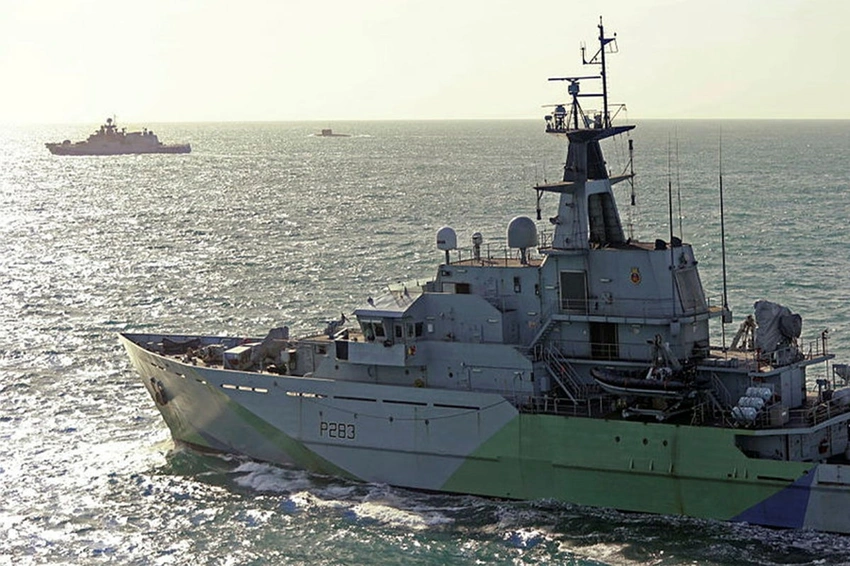
Throughout last month, offshore patrol vessels HMS Tyne, HMS Mersey, and HMS Severn were deployed, supported by Wildcat helicopters from 815 Naval Air Squadron and Merlin submarine-hunting aircraft.
Their mission involved shadowing Russian frigates Neustrashimy and Admiral Grigorovich, which are believed to be escorting so-called "shadow fleet" tankers.
This surge in activity aligns with data from the Ministry of Defence"s (MoD) annual report, which stated that Royal Navy vessels were "activated" 116 times in the year leading up to March 2026. These activations involved shadowing 61 Russian warships and 28 merchant vessels in UK waters, reflecting a 30% increase in Russian naval presence over the past two years.
Notably, these operations included deterring the Russian spy ship Yantar, which was observed near critical undersea cables off Scotland last November. Concerns are mounting that Vladimir Putin"s regime is utilizing this "shadow fleet", often comprising aging vessels, to circumvent international sanctions on Russian oil and finance the ongoing war in Ukraine.
The recent increase in naval maneuvers follows a notable incident in June, when Royal Marines seized the tanker Smyrtos, marking the first time British troops had directly boarded a shadow fleet vessel. The MoD highlighted that the diversion of Russian ships to escort these shadow fleet vessels indicates that Russia is "using up valuable operational capacity to constantly guard cargo." This ongoing presence and the tactics employed underscore heightened tensions and the continuous need for vigilance in safeguarding UK maritime security.
