Madonna vs. AI: Is Technology Killing Art's Soul?
Madonna vs. AI: Is Technology Killing Art's Soul?
Madonna just dropped a bombshell, calling AI the 'opposite of making art.' Is she right? We're diving deep into whether tech truly threatens creativity or simply changes the game. Get ready to rethink how we define art i
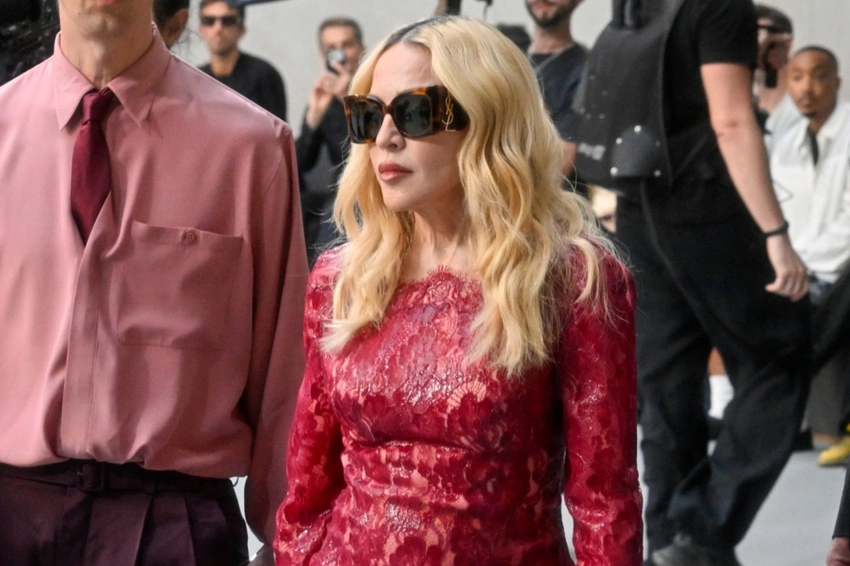
Madonna, ever the provocateur, has once again sparked a crucial conversation. She recently declared that using artificial intelligence is the “opposite of making art.” This isn't just a pop culture soundbite; it's a stark challenge to how we perceive creativity in the digital age, especially as we look towards a future like June 28, 2026.
Her point, articulated in Vogue Italia, centers on the fundamental shift in the creative process. Madonna values the experience when artists are ‘around painters and musicians and dancers and artists in one place and working from a very pure place for each other.’ She emphasizes, ‘I value that experience a lot.’ This isn't merely nostalgia; it’s a lament for a specific, organic form of collaboration and expression that many fear AI threatens to erase.
The 'Pure Place' Dilemma
What does Madonna mean by a ‘pure place’? It speaks to the intuitive, often messy, and deeply human process of creation—the improvisation, the spontaneous connection, the shared vulnerability that fuels genuine artistic output. This is the realm of human intuition, emotional depth, and lived experience that AI, by its very nature, struggles to replicate. AI can generate, synthesize, and even mimic, but can it feel? Can it experience the pang of heartbreak that drives a ballad, or the surge of joy that inspires a dance?
Critics of AI in art often echo Madonna's sentiment, arguing that while AI can produce technically perfect images or compositions, it lacks the soul, the intention, and the narrative that only a human creator can imbue. If art is a reflection of the human condition, then an art generated by algorithms might be seen as a reflection of data, not spirit.
A Different Brushstroke?
Yet, to dismiss AI entirely might be to overlook its potential as a powerful tool rather than a replacement. History is replete with examples where new technologies were initially seen as threats to art: photography to painting, synthesizers to traditional instruments. Each time, art evolved, embracing new mediums and expanding its definition.
Could AI be another such evolutionary step? Imagine AI as a hyper-efficient assistant, handling tedious tasks, generating variations, or even offering unexpected juxtapositions that spark new human ideas. It could democratize creation, allowing more individuals to experiment with complex artistic forms without years of traditional training. The critical distinction then becomes who holds the brush, or rather, who directs the algorithm. Is the artist the one who codes the prompt, refines the output, and imbues it with meaning?
Finding the Balance
The core of this debate isn't whether AI can create, but whether its creations resonate with the unique essence of human artistry. Madonna's critique serves as a vital reminder to not lose sight of the profound, irreplaceable value of human connection and authentic emotion in the creative process. As artists navigate this brave new world, the challenge will be to harness technology’s power without sacrificing the 'pure place' from which true art springs.
Ultimately, whether AI kills creativity or simply provides new avenues for it depends on us. It depends on how we, as artists and audiences, choose to define art and how we decide to integrate—or resist—these powerful new tools. The conversation is just beginning, and it’s a fascinating one.
