Why Your Favorite Authors Are Airing Their Dirty Laundry in Your Ears

Why Your Favorite Authors Are Airing Their Dirty Laundry in Your Ears
Authors are ditching the pen for the podcast mic to tell their most private family secrets. Is this the new peak of storytelling or a total invasion of privacy?
The New Era of Literary Confessions
We used to wait years for a heavy memoir to drop. Now, we just hit subscribe. There is a massive shift happening in the literary world where prolific writers are trading their keyboards for high-end microphones. The result is a new wave of storytelling that feels less like a polished report and more like a late-night confession.
From Ink to Audio
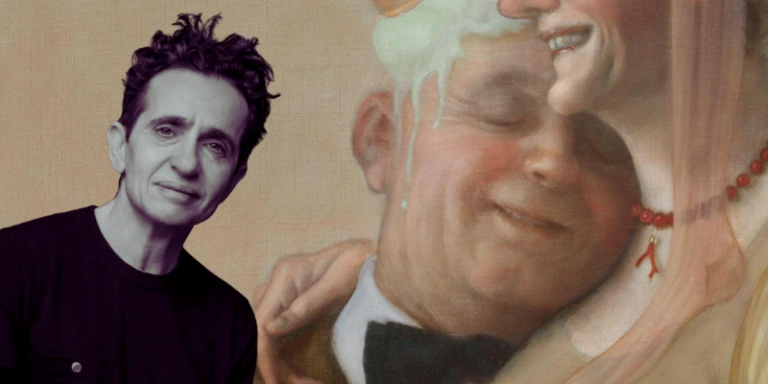
Take a look at the recent trend of established journalists digging into their own family trees. When a writer like M. Gessen moves from the analytical pages of major newspapers to the narrative arc of a podcast like The Idiot, something fundamental changes. They are not just reporting on the world anymore. They are investigating their own bloodline.
In this specific case, the story involves a cousin who might be more than just a sketchy businessman. It involves allegations of kidnapping and even murder plots. By choosing the audio format, the author brings us directly into the living room. We hear the hesitation in their voice. We hear the interviews with relatives who would rather keep these secrets buried forever. It is an experience that a printed page simply cannot replicate.
The Cost of Intimacy
This shift raises a big question: how much is too much?
- Is it fair to expose family members who did not sign up for the spotlight?
- Does the vulnerability of a podcast justify the loss of family privacy?
- Are we consuming real-life trauma as mere entertainment?
The charm of these shows often lies in their classic true-crime feel, that style of unfolding a mystery in real time. Yet, when the mystery involves your own cousin and an ex-wife stranded in Moscow, the stakes are different. It is a form of self-excavation that can leave a family permanently fractured.
Why We Tune In
We listen because it feels authentic. We are living in an era where upstanding citizens are often revealed to be something else entirely. Hearing a narrator admit they were shocked at how shocked they were makes them relatable. It bridges the gap between the distant, intellectual author and the curious listener.
Ultimately, authors are finding that the most compelling stories are the ones they previously tried to hide. Whether this is a brave new frontier for journalism or a risky trade-off for personal privacy remains to be seen. But for now, the play button is too tempting for most of us to ignore.
