AI Impact Summit 2026 Powers Rural Empowerment with Tata-backed AI

AI Impact Summit 2026 Powers Rural Empowerment with Tata-backed AI
India's AI Impact Summit 2026 shifts from talk to action, spotlighting rural empowerment through AI Sakhi and other Tata-backed programmes amid global leaders.
The AI Impact Summit 2026 in New Delhi marks a move from conversations to real-world application, with Bharat Mandapam serving as the stage for a bold look at responsible and inclusive AI. The event gathered global tech leaders and policymakers to explore how AI can be harnessed to create tangible benefits, especially for rural communities. The focus is on practical outcomes, ensuring AI serves people across age groups and geographies.
Grassroots momentum stood out as policymakers highlighted programmes like AI Sakhi that are empowering rural women and entrepreneurs. These initiatives, backed by Tata Consultancy Services and other partners, aim to bridge the digital divide and spark new livelihoods beyond urban centers. The narrative aligns with a broader view of India’s innovation journey, connecting Startup India’s momentum to a wave of people-centric AI innovation.
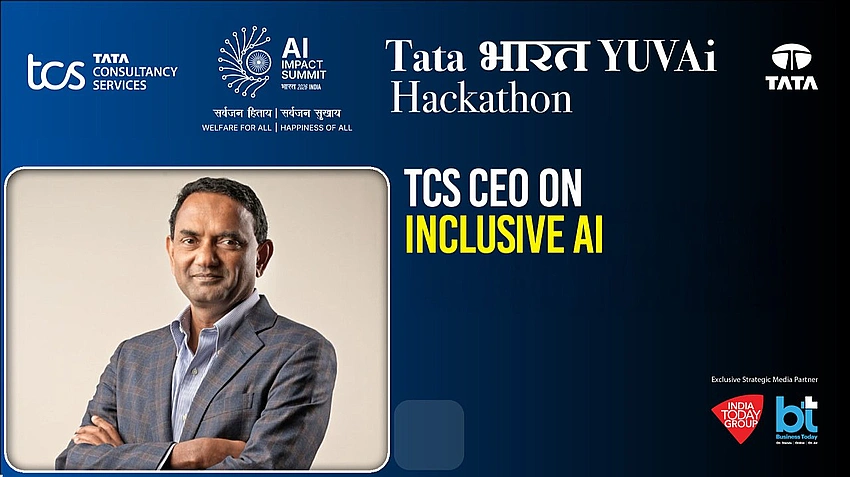
Industry voices underscored the democratisation of opportunity through AI. TCS CEO emphasised that initiatives such as AI Sakhi and Yuva AI can uplift communities by equipping women entrepreneurs with skills, networks, and access to technology. Training and support for citizen services, including laptops and digital literacy, are highlighted as essential levers for expanding livelihood opportunities and strengthening digital capability.
CHRO Sudeep Kunnumal described the progress as a testament to India’s youthful demography and its potential to scale AI-driven empowerment. He noted that nearly 3 million beneficiaries have already touched by these efforts, signaling a strong momentum toward inclusive growth. The summit’s footprint includes 600 startups and 13 country pavilions, with broad participation from ministries, students, investors, and researchers, illustrating a national push to harness AI for development.
By day two, crowds remained robust, but organizers reported smoother operations after early surges in registrations. On-site entries were closed as registrations rose to nearly 3 lakh, with a shift toward virtual participation to accommodate the high demand. The week-long gathering reflects India’s growing standing in global AI discourse and its ambition to steer the technology toward broad-based social and economic empowerment.
