Your Private Messages: Lawmakers Say No, But Scanning Starts July 9, 2026

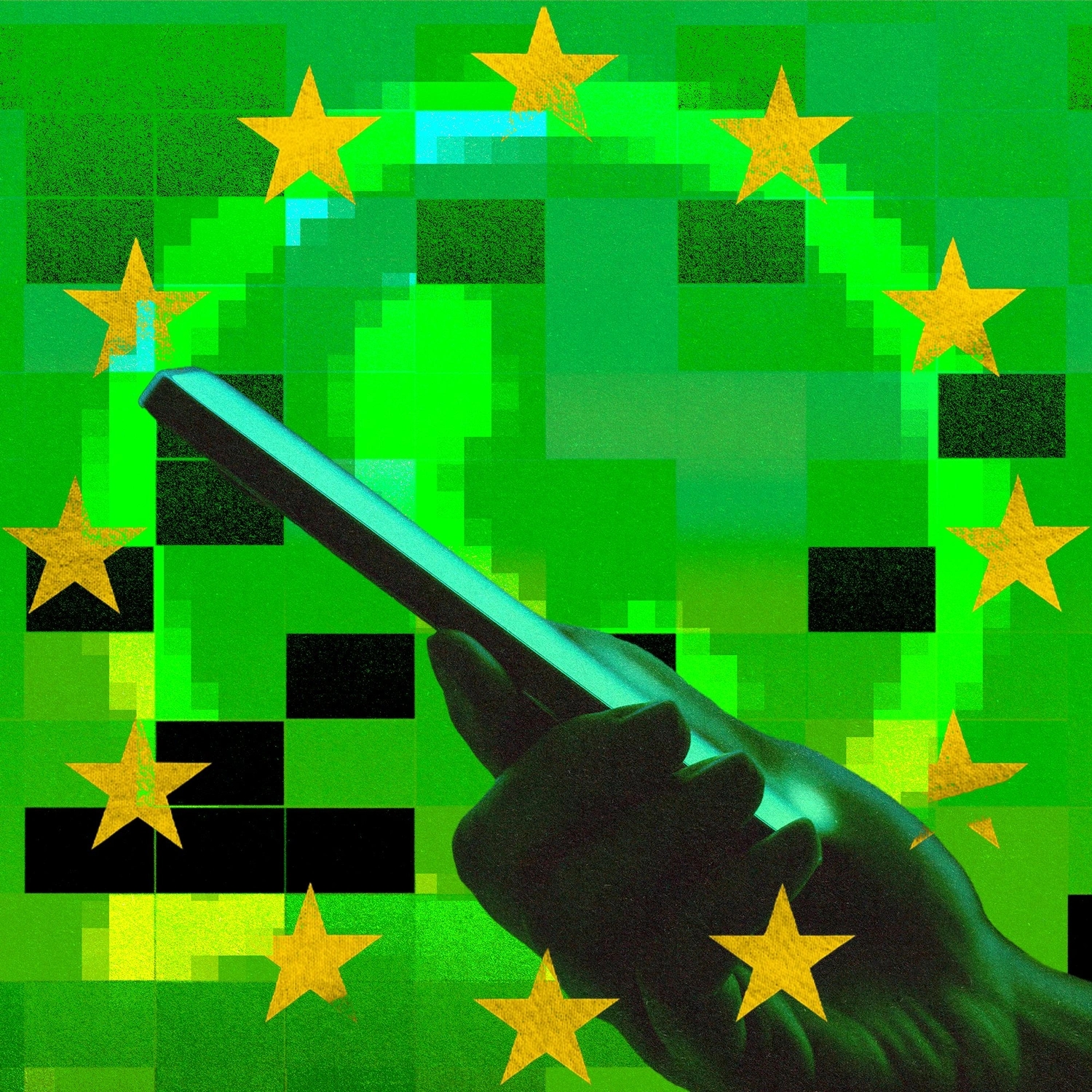
Your Private Messages: Lawmakers Say No, But Scanning Starts July 9, 2026
Despite a majority of European lawmakers voting against it, companies will soon be authorized to scan personal texts, emails, and social media messages under the 'Chat Control' bill. The illusion of digital privacy is sh
It's a scenario that sounds like a dystopian novel, but it's becoming our digital reality. Imagine a majority of lawmakers - the people elected to represent your interests - explicitly voting against a measure, only for that measure to proceed anyway. It's the unsettling truth about the upcoming 'Chat Control' bill and what it means for your private conversations.
Here's the deal: come July 9, 2026 , companies will once again be fully authorized to scan citizens' personal texts, emails, and social media messages. Let that sink in. Your most intimate digital dialogues, the ones you assumed were private, are now effectively open to algorithmic scrutiny.
It's a sanctioned operation.
The stated rationale is to combat child abuse material online, a goal no one disputes.
The challenge, however, lies in the method.
The 'Chat Control' bill, despite significant democratic opposition, paves the way for a system where tech companies become the de facto surveillance arm, monitoring the digital lives of millions.
We're talking about blanket scanning, not targeted investigations. This means every casual message, every shared link, every personal thought expressed digitally could be subject to automated review.
This development fundamentally shatters the illusion of digital privacy. For years, we've navigated the digital world with an implicit trust in the security and confidentiality of our private communications. While we've all been aware of terms and conditions, the idea that a majority of lawmakers could say 'no' to such invasive measures, only for them to be implemented regardless, highlights a profound disconnect.
It poses serious questions about the efficacy of democratic oversight in the digital age and the immense power wielded by both legislative bodies pushing for these measures and the tech giants tasked with their execution.
The implications are vast. Beyond the obvious privacy concerns, there's the looming specter of mission creep. What starts as scanning for one specific, albeit abhorrent, type of content can easily expand.
False positives, mistaken identities, and the sheer volume of data being processed create an environment ripe for error and potential overreach.
Every 'personal text, email, and social media message' becomes a data point in an ever-growing surveillance architecture.
For those of us who value individual liberties and the sanctity of private communication, this isn't just another policy update. It's a wake-up call. It's a stark reminder that the battle for digital privacy isn't just fought in the voting booths, but also in the subtle, often overlooked, legislative details that reshape our relationship with technology.
The future of our digital freedom is being written, and it's critical to understand the clauses that will define it.
