SNAP Recipients Still Feel the Scars After Shutdown Ends

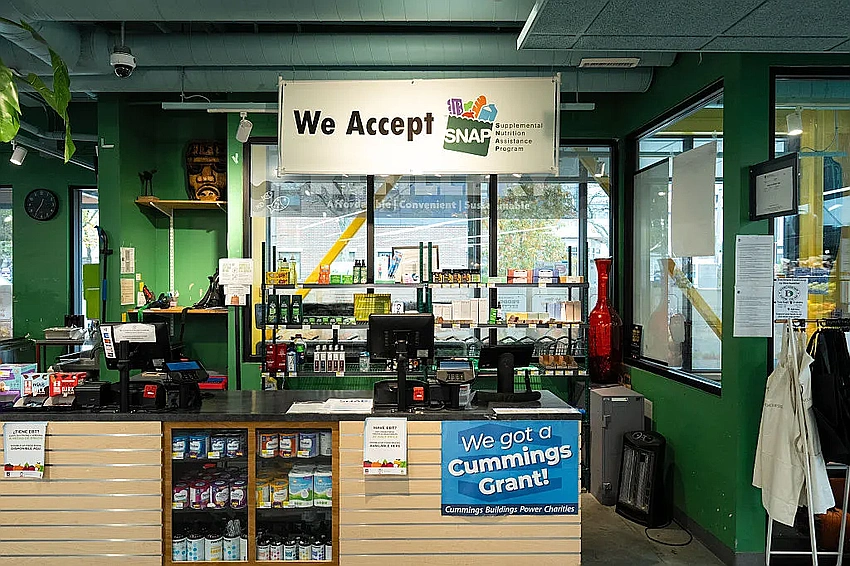
SNAP Recipients Still Feel the Scars After Shutdown Ends
Even as benefits resume, families worry funding could be cut again; the safety net's fragility lingers for millions relying on food assistance.
When the government reopened, SNAP benefits started flowing again in several states, offering immediate relief to households who rely on food stamps. Yet for many recipients, the relief comes with a warning: the relief could be temporary, and future funding could be threatened again. Even as cards refill, the anxiety lingers about whether next month’s deposits will arrive on time.
The current crisis is not just about a single shutdown. SNAP’s budgeting has faced recurring problems for decades, with monthly funding gaps and administrative hurdles creating a roller-coaster experience for families. The shutdown underscored the fragility of a program that tens of millions depend on, and experts warn that the underlying budgeting issues go back roughly 50 years and may intensify as funding debates continue.
For recipients, the impact is not abstract. Families describe groceries becoming a stretch on tight budgets, children who rely on school meals, and the constant worry that a future decision in Washington could leave them without support again. Some recipients have seen their benefits return but are worried they could still be taken away, even as stores restock and cash registers ring again. In several states, payments have restarted, while others are still awaiting November deposits that some administrations resisted paying out in full.
Policy makers face questions about how to deliver more predictable support. The pause-and-pay cycle has created uncertainty at the household level and fed mistrust in the program’s long-term stability. Advocates argue that a more stable, transparent funding mechanism could prevent abrupt interruptions and help families plan ahead. While the restart is welcome, the broader lesson remains: food assistance is essential but fragile unless funding—and its delivery—are steadier and more predictable.
As discussions continue, families who rely on SNAP are hoping for a lasting fix that reduces anxiety and ensures ongoing access to groceries, even as political debates over federal funding persist. The path forward may require new budgeting approaches, clearer timelines, and a commitment to treating SNAP as a steady safety net rather than a stopgap response to funding crises.
Cover image source: Now That the Government Has Reopened, When Can SNAP Recipients Expect to Get Paid? 🔗
