India Eyes $500B US Imports as Boeing, Airbus Expand Sourcing

India Eyes $500B US Imports as Boeing, Airbus Expand Sourcing
India targets a $500 billion US goods influx in five years, with aviation and high-tech parts fueling growth as Boeing and Airbus boost sourcing from India.
New Delhi has set a bold goal: importing $500 billion worth of goods from the United States over the next five years. The plan hinges on American suppliers ramping up to meet demand, especially in high-tech domains like chips, semiconductors and aircraft components. Officials say this collaboration could unlock faster deliveries and deeper ties across industries, helping India diversify its supply chains while expanding its manufacturing footprint.
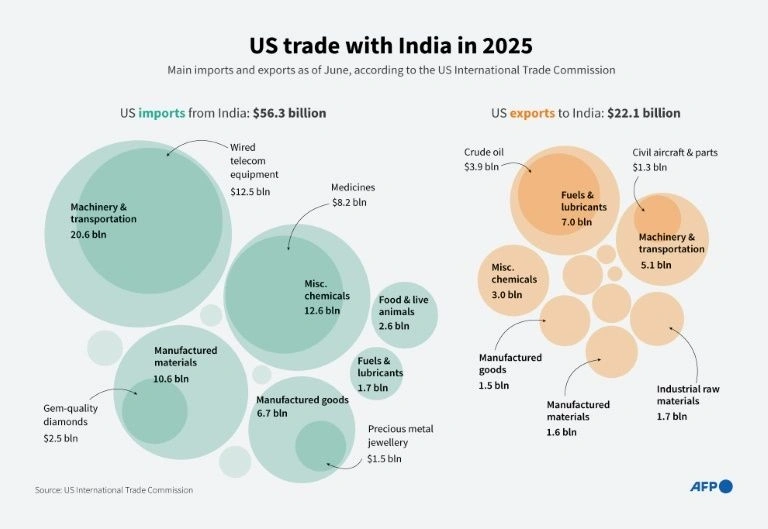
Last year, India imported goods worth $45.5 billion from the US, and in the first nine months of the current fiscal year, imports from the US stood at nearly $40 billion. American crude and petroleum products accounted for over a fifth of that total, close to $11 billion, while coal and coke added another $2.7 billion. Oil shipments were about 35% higher than the same period a year earlier, underscoring the importance of energy in this evolving trade relationship. The government notes that some oil imports could be substituted with American crude as part of this strategy, alongside a push to source more LNG from the US.
Commerce and Industry Minister Piyush Goyal has said the actual mix of imports will be driven by offers that Indian buyers cannot resist. He stressed that high-tech products, including chips, semiconductors, airplanes, and related components, will be crucial to reaching the ambitious target. While the logistics of meeting such demand are complex, the message is clear: Indian buyers and US sellers must collaborate closely to unlock new volumes and opportunities.
On the aviation front, a landmark Indo-US trade deal could significantly boost India's aerospace exports. Zero-duty access for components would place India on par with established aerospace supply chains and could spur substantial aircraft orders from Indian carriers. In parallel, Boeing is considering India as a major parts hub, while Airbus also aims to increase its sourcing from the country. These developments underscore a broader trend: the Indian aviation ecosystem stands to gain from closer integration with US suppliers, potentially accelerating manufacturing and job creation.
In short, the accord signals a shift in how India sources technology and energy, aiming to strengthen in-country capabilities while expanding global partnerships. The path to $500 billion will depend on the speed and reliability of American suppliers, but the potential benefits for India’s economy and its aerospace sector are substantial.
