Must-Visit Historical Places in Garland, TX for History Enthusiasts

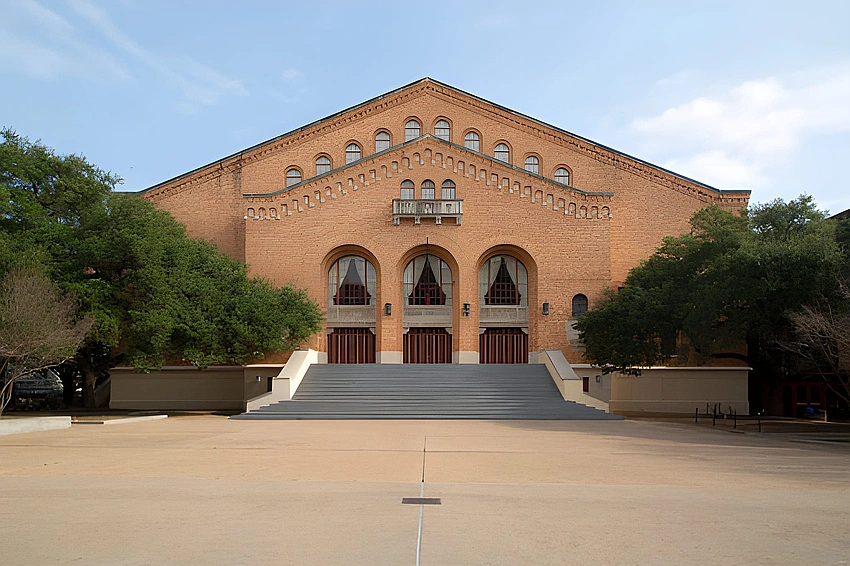
Must-Visit Historical Places in Garland, TX for History Enthusiasts
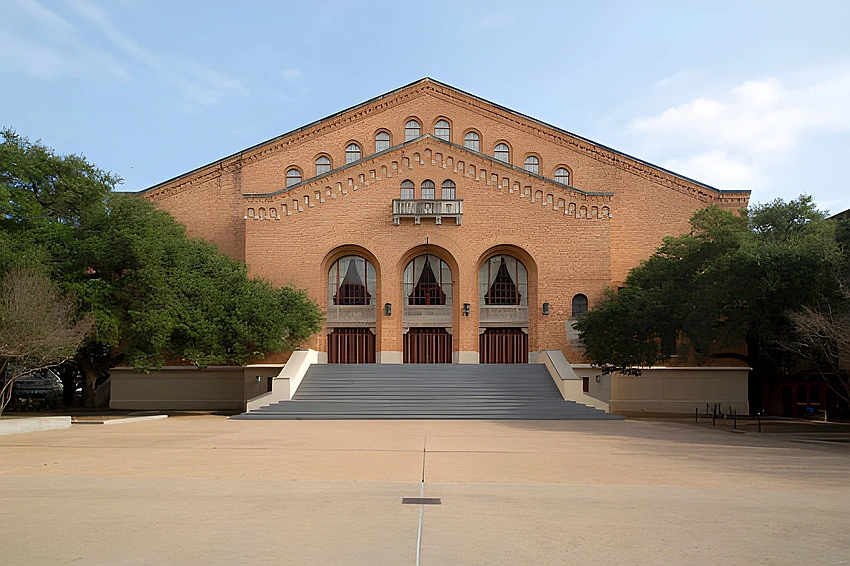
Garland, Texas 🔗, a vibrant city located northeast of Dallas, is more than just a modern suburban hub. With a rich history dating back to the late 19th century, Garland offers history enthusiasts a fascinating glimpse into Texas’ past, from its early settlements and architecture to cultural landmarks and preserved historical sites. Whether you’re a local or a visitor exploring the Dallas-Fort Worth area, Garland’s historical places provide an opportunity to step back in time and experience the heritage of this dynamic city.
In this guide, we’ll explore some of the must-visit historical places in Garland, TX, highlighting their significance, what you can expect when visiting, and tips to make the most of your historical journey.
1. Granville Arts Center
The Granville Arts Center may be better known today as a hub for performing arts and community events, but it carries a historical significance that dates back decades. Named after H. H. Granville, one of Garland’s early influential figures, the center has been a cornerstone of local culture.
The building’s architecture reflects mid-20th century design aesthetics, and it hosts numerous events that celebrate the city’s artistic and historical heritage. For history enthusiasts, attending a performance here or simply exploring the building’s history provides insight into Garland’s cultural evolution.
Tips for Visiting:
- Check the schedule for historical exhibitions or events.
- Combine your visit with a walk around downtown Garland to see other nearby historic landmarks.
2. Downtown Garland Historic District
At the heart of Garland lies its Historic Downtown District, a preserved area showcasing buildings from the late 1800s and early 1900s. This district represents Garland’s commercial and social growth during the post-Civil War era.
Walking through the streets, you’ll notice beautifully preserved brick facades, vintage storefronts, and classic architecture that harkens back to a simpler time. Many of the buildings now house boutique shops, cafes, and local businesses, blending history with modern commerce.
Highlights:
- Historic Square: A hub for local festivals and farmers’ markets.
- Vintage Architecture: Buildings showcasing early 20th-century styles.
- Plaques and Markers: Informative signs detailing the history of each building.
Tips for Visiting:
- Visit during a weekend festival for a lively experience.
- Take a guided walking tour to fully appreciate the historical context.
3. Garland Landmark Museum
For those seeking a deeper dive into the city’s history, the Garland Landmark Museum is a must-see. This museum houses collections that chronicle the city’s founding, its agricultural roots, and the people who shaped its development.
From early farming equipment to photographs of Garland’s first settlers, the museum offers a tangible connection to the past. It also features exhibits on local Native American history and the evolution of transportation and industry in the area.
Tips for Visiting:
- Allocate at least 2 hours to explore the exhibits thoroughly.
- Don’t miss special events, workshops, or history talks hosted by the museum.
4. South Garland Historic Cemetery
Cemeteries are often overlooked as historical sites, but the South Garland Historic Cemetery is a treasure trove for history enthusiasts. Established in the late 19th century, this cemetery provides a glimpse into Garland’s early residents and their legacies.
Walking among the headstones, you’ll find names of pioneering families, veterans from various American wars, and influential community leaders. Each grave tells a story, making it a reflective and educational experience.
Tips for Visiting:
- Respect the grounds and follow posted guidelines.
- Consider bringing a camera or notebook to document interesting inscriptions or monuments.
5. Heritage Village at Duck Creek Park
The Heritage Village within Duck Creek Park is a living history museum, showcasing buildings and artifacts from Garland’s early days. The village includes restored homes, a schoolhouse, and other structures that illustrate daily life in the late 19th and early 20th centuries.
Costumed interpreters often demonstrate traditional crafts, farming techniques, and community life, providing a hands-on learning experience. Heritage Village is perfect for families, school groups, or anyone interested in immersive history.
Highlights:
- Restored pioneer homes and farmhouses
- Interactive exhibits on crafts, cooking, and farming
- Seasonal events celebrating Garland’s history
Tips for Visiting:
- Check the Heritage Village calendar for living history events.
- Bring comfortable shoes for walking through the outdoor areas.
6. Masonic Lodge No. 282
Freemasonry has played a significant role in the development of many American towns, and Garland is no exception. The Masonic Lodge No. 282, established in the early 20th century, stands as a symbol of the city’s social and civic history.
While access to certain areas may be restricted, the building’s exterior architecture and historical markers provide insight into the organization’s influence on the local community. History enthusiasts interested in fraternal organizations and civic development will find this site fascinating.
Tips for Visiting:
- Look for public events or open houses that allow entry.
- Combine your visit with other nearby historic buildings in Garland.
7. The Vintage Railroad Tracks and Depots
Garland’s growth was closely tied to the expansion of railroads in Texas. Several vintage railroad tracks and depots still exist in the city, marking the pathways that facilitated commerce and migration.
Railroad history enthusiasts will enjoy exploring these areas, imagining the bustling activity of trains transporting goods and passengers in the early 1900s. Some depots have been preserved or repurposed as community spaces.
Tips for Visiting:
- Research the history of specific depots for context.
- Take photographs of old tracks, stations, and rail artifacts.
8. The Garland Historical Society
Founded to preserve Garland’s past, the Garland Historical Society is a central resource for anyone interested in the city’s history. The society archives old newspapers, photographs, maps, and personal accounts that document Garland’s development over the decades.
Visiting the Historical Society can help history enthusiasts plan a self-guided tour of Garland’s historical sites. Additionally, the society often hosts lectures, workshops, and exhibits that offer deeper insights into the city’s heritage.
Tips for Visiting:
- Contact the society ahead of time to schedule research or tours.
- Explore the archives to uncover stories about lesser-known historical figures in Garland.
9. Historic Residential Neighborhoods
Garland isn’t just about commercial and civic landmarks—its historic residential neighborhoods also tell a story. Areas with early 20th-century homes reflect architectural styles such as Craftsman, Colonial Revival, and Tudor.
Walking or driving through these neighborhoods, you can admire preserved homes, unique gardens, and original building materials that have survived over a century. These areas provide a tangible sense of the lifestyle and culture of Garland’s early residents.
Tips for Visiting:
- Be respectful of private property.
- Use maps or local guides to identify neighborhoods with significant historical homes.
10. Local Churches and Religious Landmarks
Religious institutions have often been at the heart of American communities, and Garland is no exception. Several historic churches in the city date back to the late 19th and early 20th centuries.
These churches are notable not only for their architecture—ranging from Gothic Revival to Romanesque styles—but also for their role in community development, education, and social support. Visiting these landmarks offers insight into the spiritual and cultural life of early Garland.
Tips for Visiting:
- Check for open hours or scheduled tours.
- Observe architectural details like stained glass windows, wooden pews, and steeples.
11. Annual Historical Events and Festivals
Beyond physical sites, Garland celebrates its history through annual events and festivals. These occasions often feature historical reenactments, exhibitions, and demonstrations that bring the city’s past to life.
Events like heritage days, pioneer festivals, and local history fairs provide an interactive way to engage with Garland’s culture and traditions. They are also great opportunities to connect with local historians and community members passionate about preserving the city’s heritage.
Tips for Visiting:
- Check the Garland city website for upcoming historical events.
- Attend workshops or demonstrations to learn traditional crafts and skills.
12. Planning Your Historical Tour of Garland
When exploring Garland’s historical sites, planning ahead ensures a richer experience:
- Create a Route: Map out the historical sites you want to visit, including museums, districts, and landmarks.
- Time Your Visit: Some sites are only open during specific hours or events.
- Engage with Locals: Local historians and volunteers often provide fascinating stories not found in guidebooks.
- Document Your Journey: Bring a camera or notebook to capture your experiences and discoveries.
Whether you spend a day exploring downtown Garland or a weekend visiting museums and heritage sites, the city offers countless opportunities to immerse yourself in Texas history.
Conclusion
Garland, TX, is a city where history lives alongside modern life. From its historic downtown district and museums to cemeteries, heritage villages, and churches, there’s no shortage of historical places for enthusiasts to explore. Each site offers a unique glimpse into Garland’s past, showcasing the people, architecture, and culture that shaped the city.
For history lovers, Garland is more than just a suburban city—it’s a living museum. By visiting these must-see historical places, you’ll gain a deeper appreciation of Garland’s rich heritage and perhaps even uncover stories that inspire a lifelong curiosity about Texas history.
Whether you’re a local resident, a casual visitor, or a dedicated historian, Garland’s historical places provide a memorable journey through time. Make sure to plan your visit carefully, take your time exploring, and embrace the rich tapestry of history that Garland, TX, has to offer.
Garland Truck Accident Lawyer for Your Legal Need

After a serious truck accident, victims often face physical, emotional, and financial challenges that can be difficult to manage alone. For residents in Garland, having access to a skilled legal professional can make all the difference. Thompson Law 🔗 serves as a trusted resource, providing expert guidance as a Garland Truck Accident Lawyer 🔗 to help clients navigate the complex legal process and pursue the compensation they deserve.
Thompson Law focuses on meeting the unique legal needs of each client. From negotiating with insurance companies to building strong cases for court, their team ensures that all aspects of a truck accident claim are handled efficiently and effectively. By working with a dedicated Garland Truck Accident Lawyer, individuals gain an advocate who understands the nuances of truck accident law and is committed to protecting their rights.
With years of experience and a results-driven approach, Thompson Law has established a reputation for professionalism, reliability, and personalized support. Their services are designed to address every facet of a truck accident case, ensuring victims have the guidance they need during a challenging time. For anyone seeking a knowledgeable and trustworthy Garland Truck Accident Lawyer, Thompson Law stands ready to provide expert legal assistance and help clients secure the outcomes they deserve.
Contact Us:
Thompson Law
375 Cedar Sage Dr, Suite 285, Garland,TX, 75040, United States
(469) 772-9314
https://1800lionlaw.com/garland-personal-injury-lawyers/ 🔗
Google Map:
https://maps.app.goo.gl/w16tL1xDGSJgbQJB8 🔗

Login to comment.
No thots yet. Be the first to share your thoughts!