AI-Driven Tactical Situation Awareness in Modern Warfare

AI-Driven Tactical Situation Awareness in Modern Warfare
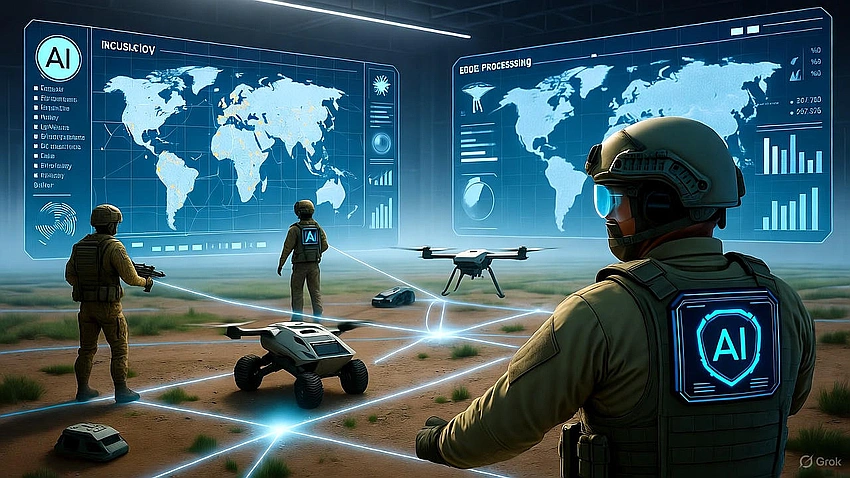
In the dynamic and high-stakes environment of modern military operations, maintaining accurate and timely situational awareness is paramount. Traditional methods of gathering and processing information often struggle to keep pace with the speed and complexity of contemporary battlefields. This is where AI-powered edge solutions are revolutionizing tactical situation awareness platforms 🔗, providing commanders with a decisive advantage.
The Need for Real-Time Intelligence at the Tactical Edge
Military operations generate a deluge of data from diverse sources, including sensor networks, drones, soldier-worn devices, and satellite imagery. Processing this data centrally introduces critical latency, hindering real-time decision-making. AI edge solutions 🔗 address this challenge by processing data closer to the source, enabling rapid analysis and dissemination of actionable intelligence.
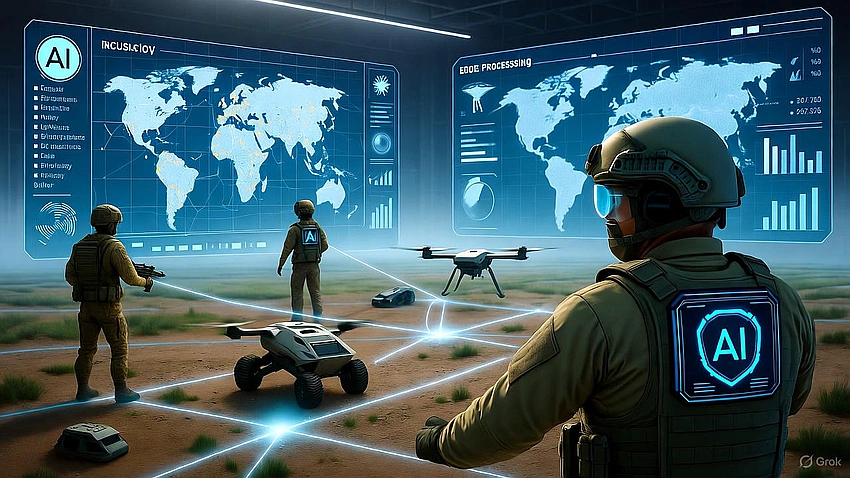
Key Capabilities of AI Edge-Powered Tactical Situation Awareness Platforms:
Real-Time Object Detection and Recognition:
AI algorithms deployed on edge devices can analyze video and sensor data in real-time to detect and identify targets, vehicles, and personnel.
This capability enhances battlefield surveillance and enables rapid threat assessment.
Predictive Analytics and Threat Assessment:
AI models can analyze historical data and real-time sensor information to predict potential threats and anticipate enemy movements.
This enables commanders to make proactive decisions and mitigate risks.
Enhanced Sensor Fusion:
AI can seamlessly integrate data from disparate sensor sources, providing a comprehensive and unified view of the battlefield.
This improves situational awareness and reduces the risk of information overload.
Automated Target Tracking and Identification:
Edge-based AI can automatically track and identify targets, freeing up human operators to focus on higher-level tasks.
This improves efficiency and reduces the cognitive burden on soldiers.
Communication Optimization:
AI can optimize communication networks by prioritizing critical information and managing bandwidth effectively.
This ensures that essential data reaches commanders in a timely manner, even in congested or degraded environments.
Geospatial Intelligence and Mapping:
AI can take geospatial data from drones, and satellites, and combine that information with real time video feeds to generate up to date maps, and provide real time analysis of terrain.
Benefits of AI Edge Solutions in Tactical Environments:
Reduced Latency: Processing data at the edge minimizes delays, enabling faster decision-making and response times.
Increased Bandwidth Efficiency: Processing data locally reduces the amount of information that needs to be transmitted over networks, conserving bandwidth and improving network performance.
Enhanced Situational Awareness: AI-powered analysis provides commanders with a more comprehensive and accurate understanding of the battlefield.
Improved Soldier Safety: Real-time threat detection and predictive analytics help to reduce risks and improve soldier safety.
Enhanced Operational Effectiveness: AI edge solutions enable faster and more effective military operations.
Challenges and Considerations:
Ruggedization and Power Consumption: Edge devices deployed in tactical environments must be ruggedized to withstand harsh conditions and operate on limited power.
Security and Data Protection: Ensuring the security and integrity of data processed at the edge is critical, especially in contested environments.
AI Model Deployment and Management: Deploying and managing AI models on edge devices in remote and dynamic environments can be challenging.
Interoperability: Ensuring interoperability between different AI edge solutions and existing military systems is essential.
The Future of Tactical Situation Awareness:
As AI and edge computing technologies continue to advance, their role in military operations will only increase. Future developments will focus on:
Developing more powerful and efficient AI algorithms for edge deployment.
Improving the robustness and resilience of edge devices.
Enhancing the interoperability of AI edge solutions with existing military systems.
Integrating AI edge solutions with autonomous systems and robotics.
AI-powered edge solutions are transforming tactical situation awareness, providing commanders with a decisive advantage in the modern battlespace.
By enabling real-time intelligence and enhancing operational effectiveness, these technologies are playing a critical role in ensuring the safety and security of military personnel.
Questions and Answers about AI Powered Military Systems
1. Q: What fundamental challenge of modern military operations does AI-powered edge computing primarily address?
A: It addresses the problem of critical latency caused by centrally processing the deluge of data from the battlefield, enabling real-time decision-making by processing data closer to the source.
2. Q: Name two primary sources of data that contribute to the "deluge" of information in military operations.
A: Data comes from diverse sources including sensor networks, drones, soldier-worn devices, and satellite imagery.
3. Q: How do AI algorithms deployed on edge devices enhance battlefield surveillance?
A: They perform Real-Time Object Detection and Recognition on video and sensor data to quickly identify targets, vehicles, and personnel, which enables rapid threat assessment.
4. Q: What is the main purpose of AI's Enhanced Sensor Fusion capability in tactical awareness platforms?
A: It seamlessly integrates data from disparate sensor sources to provide a comprehensive, unified view of the battlefield, reducing information overload for commanders.
5. Q: In addition to detecting current threats, how do AI models provide a proactive advantage to commanders?
A: They utilize Predictive Analytics to analyze historical and real-time data to predict potential threats and anticipate enemy movements, allowing commanders to make proactive decisions.
6. Q: What is the benefit of using edge-based AI for Automated Target Tracking and Identification?
A: It frees up human operators from tedious tasks, allowing them to focus on higher-level activities, thus improving efficiency and reducing the cognitive burden on soldiers.
7. Q: How does AI contribute to Communication Optimization in congested battlefield environments?
A: AI prioritizes critical information and manages bandwidth effectively to ensure essential data reaches commanders in a timely manner, even when networks are degraded.
8. Q: What unique challenge related to the physical deployment of edge devices must be addressed in tactical military environments?
A: The devices must be designed for Ruggedization and Power Consumption, meaning they must withstand harsh conditions and operate efficiently on limited power sources.
9. Q: Besides reducing latency, what is another key benefit of processing data locally at the edge regarding network resources?
A: It results in Increased Bandwidth Efficiency because less information needs to be transmitted over networks, which conserves bandwidth and improves overall network performance.
10. Q: What is a key focus for the future development of AI edge solutions in tactical military operations?
A: A key focus is integrating AI edge solutions with autonomous systems and robotics as well as improving the robustness and resilience of the edge devices themselves.

Login to comment.
No thots yet. Be the first to share your thoughts!