Japan's Snap Election Gamble: Will Takaichi's Popularity Pay Off?

Japan's Snap Election Gamble: Will Takaichi's Popularity Pay Off?
Tokyo watches as Sanae Takaichi bets on her personal popularity to secure a fresh mandate amid inflation worries and a China row.
Japan heads to its second general election in as many years on Sunday, a snap vote that has caught the ruling party, opposition, and much of the electorate off guard. Sanae Takaichi, often described as Japan's first female prime minister, is hoping that personal popularity can translate into a public mandate for the long-ruling Liberal Democratic Party. The stakes are high: the party remains dominant but faces rising discontent over prices and fatigue after years in power. The gamble is clear: go to the polls now in the hope of shaping the policy agenda rather than wait for a more open contest later.
Analysts say her approval ratings in media polls have been noticeably higher than those of her predecessors, giving her a window to frame the election on leadership and competence rather than opposition criticism. Takaichi's 'work, work, work' persona has kept her in the public eye, and in just over three months in office she has cultivated a highly visible profile. She has hosted high-profile meetings with world leaders and, in a dramatic moment aboard the USS George Washington in Yokosuka, greeted then-President Donald Trump as he praised her leadership. Ahead of voting day, Trump issued his own endorsement, calling her strong, powerful, and wise, a rare public global seal of approval in a domestic race.
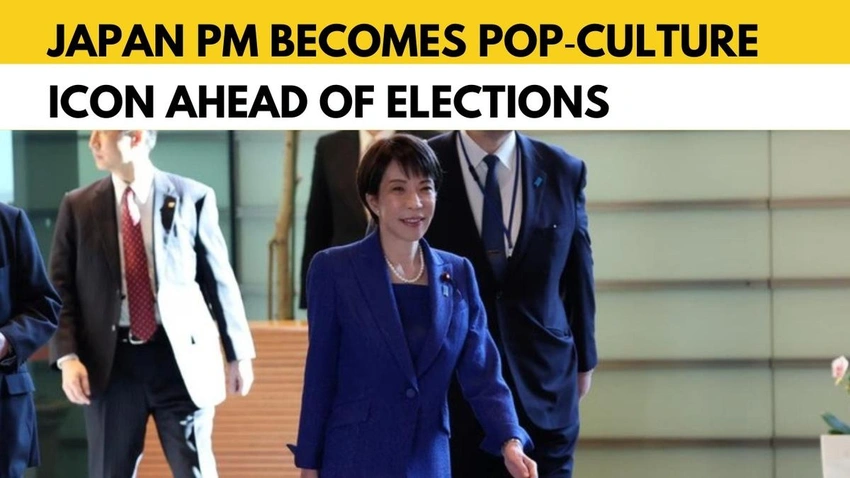
Voters are balancing price pressures at home with a wary stance toward Beijing, as inflation data and a diplomatic row with China weigh on sentiment. The opposition argues for steadier governance and clearer economic plans, while the LDP tries to ride a sense that stability and experience matter in a time of global volatility. Some observers say the online buzz around Takaichi—whether through viral clips, fashion items, or pop-culture moments—has helped broaden appeal beyond traditional supporters. Critics caution that popularity can be fragile if policy details don't frontload concrete results.
Another layer shaping the race is the social-media-driven narrative around the prime minister. From handbags selling out to memes saturating feeds, the 'sanakatsu' vibe reflects a younger audience hungry for a different style of leadership. But votes are cast in polling booths, not feeds, and the real test will be the ballot box on Sunday. The question on many lips is whether personal charisma can overcome concerns about whether the LDP's long rule will deliver the changes voters want.
As Tokyo and the rest of the country prepare to vote, the outcome will reverberate beyond who sits in the premier's chair. It could influence how Japan negotiates with allies and rivals, addresses inflation, and sets the tone for leadership in a time of geopolitical tension. The nation awaits the result of a high-stakes gamble that could redefine the balance between continuity and change in Japanese politics.
