Your Next Job Interview: An AI Agent or a Human?

Your Next Job Interview: An AI Agent or a Human?
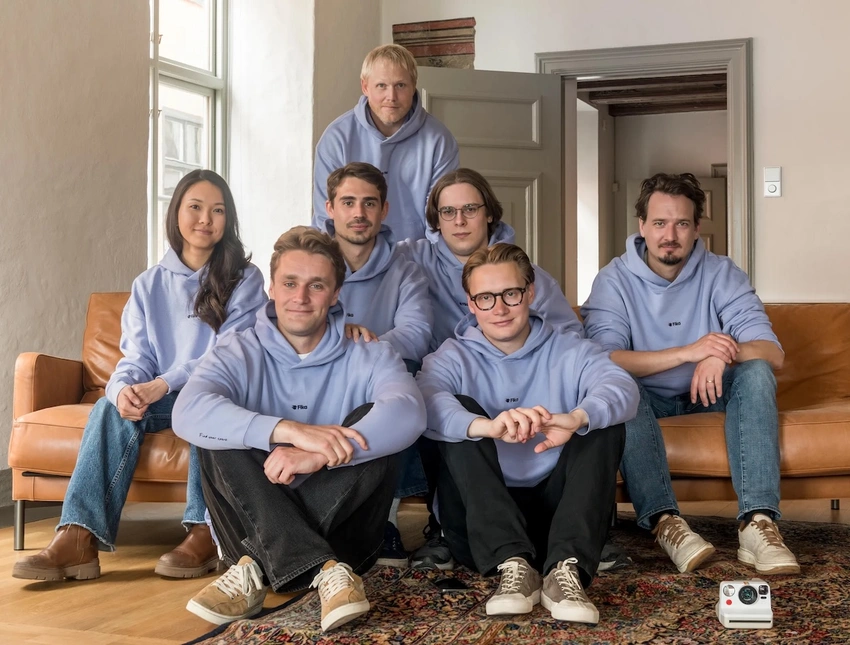
Stockholm's Fika Jobs just raised $4M for a video-first platform where AI interviews candidates. Imagine LinkedIn meets TikTok for hiring. Is this the future, or just more interview jitters?
The landscape of hiring is undergoing a seismic shift, and if you haven't felt it yet, brace yourself. We're moving beyond traditional resumes and even initial phone screens towards a future where your first, and perhaps most critical, impression might be made on an AI agent.
Consider what's happening at Fika Jobs, a Stockholm-based startup that recently secured $4M in funding. They're not just tweaking the hiring process; they're reinventing it with a video-first platform where artificial intelligence agents take on the role of interviewing candidates. Imagine a system that’s a cross between LinkedIn’s professional networking and TikTok’s dynamic, short-form video content. That’s the vision.
On the surface, this sounds like pure efficiency. For companies, AI interview agents promise standardized assessments, faster screening, and potentially a broader, more diverse talent pool. The sheer volume of applications can be overwhelming, and an AI-driven initial filter could save countless hours. For candidates, perhaps it means quicker feedback, or at least a more consistent evaluation process without the immediate biases a human interviewer might unwittingly carry.
But let’s be real for a moment. The prospect of facing an AI for a job interview triggers a very specific kind of anxiety. We’re already adept at navigating online profiles and crafting perfect bullet points, but how do you charm an algorithm? How do you convey empathy, critical thinking, or a strong cultural fit when your audience is a series of data points being analyzed by code? The 'video-first' aspect, while familiar to digital natives, adds another layer of performance pressure. Are we being judged on our answers, our body language, our speaking cadence, or some combination of factors only the AI truly understands?
The Fika Jobs model is particularly fascinating because it aims to blend the professional gravitas of LinkedIn with the engaging, often informal, nature of TikTok. This could lead to a more authentic portrayal of candidates, showcasing personality and communication skills in ways a text-based resume simply cannot. However, it also raises questions about accessibility and fairness. Not everyone is comfortable on camera, and not everyone has the resources for optimal video presentation.
This $4M investment in Fika Jobs signals a clear market belief in this AI-driven future. It’s a powerful statement that technology is here to streamline, and potentially transform, one of the most human-centric processes: finding work. The challenge for innovators like Fika Jobs, and for us as professionals, will be to ensure this efficiency doesn't come at the cost of genuine human connection or exacerbate existing inequalities.
The conversation isn't about if AI interviewers will become mainstream, but how we integrate them thoughtfully. Will these AI agents become trusted co-pilots in our job search journeys, or just another intimidating hurdle? The future of hiring is here, and it's looking increasingly intelligent, and perhaps a little nerve-wracking.
