Centre Seeks 2-Year Window for OBC Creamy Layer Verdict Implementation

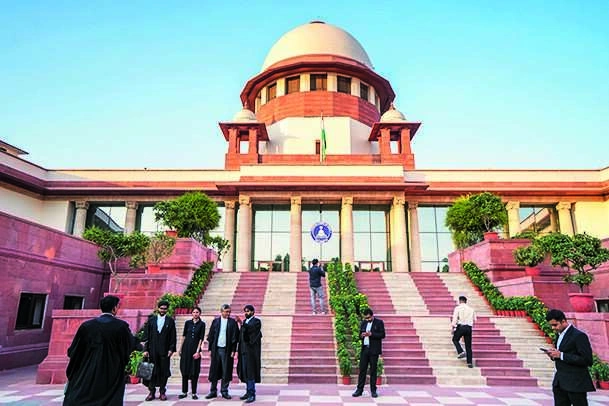
Centre Seeks 2-Year Window for OBC Creamy Layer Verdict Implementation
India's Centre asks Supreme Court for a 2-year delay to implement the OBC creamy layer verdict. What does this mean for reservations? Get the details now!
The Central government has approached the Supreme Court, requesting a two-year window to implement its crucial verdict concerning the "creamy layer" within the Other Backward Classes (OBC) reservations. This move signals potential challenges or complexities in operationalizing the apex court's directives related to who qualifies for OBC benefits.
The government has specifically sought a "limited prospective overruling" of the judgment. This legal term suggests that the Centre wants the court's ruling to apply only from a future date, rather than retrospectively. Such a request typically arises when immediate retrospective application could lead to significant administrative hurdles, disruption, or impact existing policy frameworks.
The concept of the "creamy layer" within OBC reservations was introduced to ensure that reservation benefits reach the most deserving individuals within backward communities, excluding those who are already economically and socially advanced. The Supreme Court's pronouncements often aim to refine the criteria for identifying this creamy layer, preventing the perpetuation of benefits among affluent sections.
Implementing a verdict of this nature requires extensive administrative and logistical preparations.
This could include developing new guidelines, collecting updated socio-economic data, modifying existing policies, and training personnel across various government departments. The Centre's plea for a two-year window indicates that these processes are expected to be time-consuming and require careful planning to avoid unintended consequences.
The Supreme Court's decision on this request will have significant implications for reservation policy in India, particularly for those belonging to OBC categories. A prospective implementation would allow the government to prepare thoroughly, but it also means a delay in the full realization of the court's vision for creamy layer exclusion.
The case underscores the intricate balance between judicial directives and their practical execution by the executive branch.
Political observers and social justice advocates will be closely watching the Supreme Court's response to the Centre's application, as it could shape the future trajectory of affirmative action policies in the country. The outcome will determine the timeline and manner in which the landmark creamy layer verdict is finally put into practice, impacting millions of citizens.
