Retail Giants Sell Trump Tariff Refunds at Steep Discount for Instant Cash

Retail Giants Sell Trump Tariff Refunds at Steep Discount for Instant Cash
Companies like GoPro and American Eagle are selling their Trump-era tariff refund claims for immediate cash, often at a significant discount. Discover why businesses are opting for quick payouts over waiting for uncertai
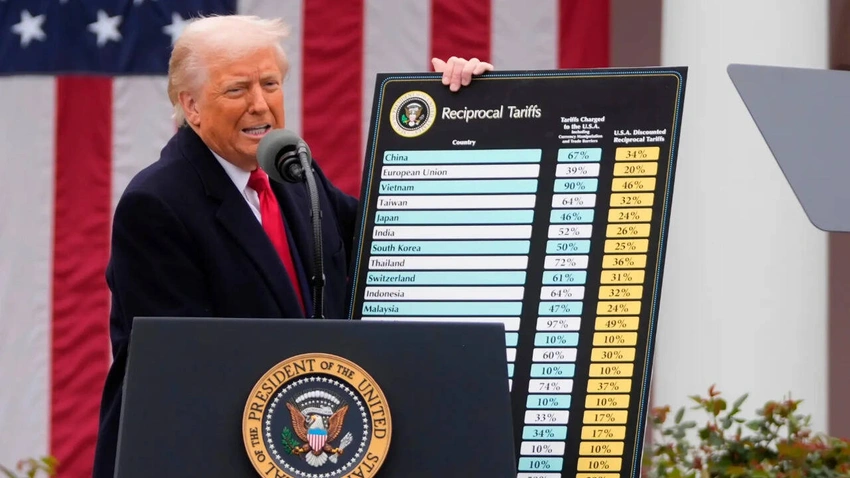
Many businesses that paid tariffs during the Trump administration are now selling their rights to future refunds to third parties, opting for immediate cash infusions rather than waiting for the uncertain timing of full reimbursements. This trend follows the Supreme Court's ruling against the extensive levies imposed under former President Donald Trump's "Liberation Day" tariffs.
Over the past year, major companies such as GoPro, American Eagle Outfitters, and The Children's Place have entered into agreements with buyers. These deals see companies selling their multi-million dollar tariff refund claims at a discount in exchange for upfront cash. For instance, American Eagle Outfitters sold $68.9 million of its tariff refund claims for $18.6 million in cash, as detailed in its 2026 Q1 report. Similarly, The Children's Place, which reportedly paid around $40 million in Trump's tariffs, agreed to transfer $38.2 million in claims to Alnus Investors for $25.7 million. Even GoPro, estimated to have paid $20.2 million in tariffs, sold $19.4 million of its potential claims to a third party in February, even before the Supreme Court's intervention.
These arrangements provide a crucial financial boost for companies that suffered significant losses due to the tariffs, which affected goods from nearly all of the U.S.'s trading partners. While the Supreme Court's decision has cleared the path for refunds, the timeline for receiving these funds remains unpredictable, making immediate liquidity an attractive option for many.
David Wong, a managing principal at BDO, a prominent accounting and financial advisory firm, highlighted the rationale behind these decisions. "For the seller, a lot of the risk is purely the economics of that transaction because of the uncertainty on exactly when an importer will receive their tariff refund," Wong told Retail Dive. This suggests companies are weighing the benefit of receiving less money quickly against the risk of waiting longer for a potentially larger, but uncertain, sum.
