Revolutionizing Tomato Breeding with New Science

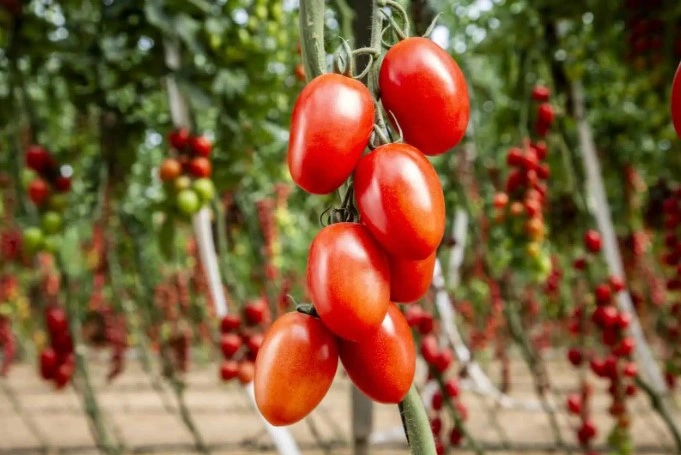
Revolutionizing Tomato Breeding with New Science
Tomatoes are one of the most widely cultivated and consumed vegetables worldwide, forming a staple in kitchens, restaurants, and food industries. However, traditional tomato breeding has faced challenges, from low disease resistance to inconsistent flavor profiles. Today, innovation in tomato breeding 🔗 is transforming the way we grow and enjoy tomatoes, paving the way for best best-tasting tomato varieties and more resilient crops.
Key Challenges in Traditional Tomato Breeding
Before exploring the breakthroughs in tomato science, it’s important to understand the key issues that growers and breeders face:
- Flavor inconsistency – Many commercial tomatoes prioritize yield over taste.
- Disease susceptibility – Tomatoes are vulnerable to pests, fungi, and bacterial infections.
- Environmental limitations – Climate change affects tomato growth and productivity.
- Slow breeding cycles – Traditional methods take years to produce new varieties.
These challenges have driven researchers and companies to embrace innovation in tomato breeding, utilizing cutting-edge techniques to overcome them.
What is Innovation in Tomato Breeding?
Innovation in tomato breeding refers to the use of modern technologies and scientific methods to develop tomato varieties that are tastier, healthier, and more robust. It goes beyond classical cross-breeding by incorporating tools such as:
- Genomic selection – Using DNA markers to predict plant traits.
- CRISPR and gene editing – Precisely modifying genes to improve flavor, size, or resistance.
- High-throughput screening – Rapidly testing large numbers of seedlings for desirable traits.
- Advanced hybridization techniques – Creating new combinations of genetics for superior varieties.
These innovations allow breeders to produce best best-tasting tomato varieties faster and more reliably than ever before.
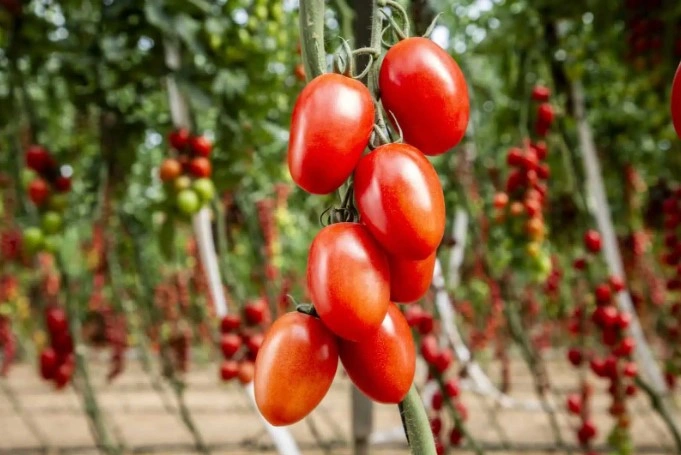
Advancing Flavor: The Quest for the Best Tasting Tomato Varieties
Flavor has often been sacrificed for yield in commercial tomato breeding, but modern science is changing that. By analyzing the chemical composition of tomatoes, researchers can identify the genes responsible for sweetness, acidity, and aroma.
Companies are at the forefront of this movement. Their advanced breeding platforms combine precision genetics and data-driven selection to produce tomatoes with richer flavor profiles while maintaining resilience and high productivity. For consumers and growers alike, this means consistently superior, best-tasting tomato varieties that stand out in the market.
Improving Disease Resistance and Sustainability
Disease-resistant tomatoes are crucial for reducing pesticide use and ensuring stable yields. Innovations in tomato breeding now allow breeders to integrate resistance genes from wild tomato species without compromising flavor or appearance.
Through marker-assisted selection, breeders can quickly identify seedlings that carry disease resistance traits. This accelerates breeding cycles, reduces crop losses, and supports sustainable farming practices. BreedX offers solutions that integrate these technologies, helping growers develop tomatoes that thrive in diverse environments while reducing reliance on chemical inputs.
Climate-Ready Tomatoes: Breeding for Environmental Challenges
Global climate change has introduced unpredictable temperature fluctuations, droughts, and new pests. Innovation in tomato breeding addresses these challenges by developing varieties that are more adaptable to environmental stressors.
Traits like heat tolerance, water efficiency, and salt resistance are now being incorporated into tomato varieties without sacrificing taste or texture. This ensures that growers can maintain productivity even under adverse conditions, while consumers continue to enjoy high-quality best tasting tomato varieties 🔗.
The Role of Technology in Modern Tomato Breeding
Technology has become a cornerstone of modern tomato breeding. Advanced tools allow breeders to:
- Track genetic traits at the molecular level.
- Simulate breeding outcomes using artificial intelligence.
- Reduce breeding cycles from decades to a few years.
- Improve selection accuracy, ensuring only the best plants are cultivated.
leverages these technological advancements to streamline the breeding process. By combining genomics, AI, and precision agriculture insights, they deliver tomato varieties that meet both consumer expectations and grower needs.
BreedX: Transforming the Future of Tomato Breeding
BreedX stands out as a solution for modern tomato breeding challenges. Their approach combines:
- Advanced genetics – Creating superior varieties with targeted traits.
- Data-driven selection – Using predictive analytics to choose the best breeding lines.
- Sustainability focus – Developing tomatoes that require fewer chemicals and thrive in varied climates.
- Flavor optimization – Ensuring every variety delivers exceptional taste and texture.
By integrating science, technology, and sustainability, BreedX helps growers and breeders stay ahead of market demands while providing consumers with consistently best-tasting tomato varieties.
The Future of Tomato Breeding
The future of tomato breeding is bright, with endless possibilities fueled by innovation in tomato breeding. Emerging trends include:
- Personalized tomatoes – Varieties tailored to specific regional tastes and growing conditions.
- Nutrient-enhanced tomatoes – Breeding tomatoes with higher vitamins, antioxidants, and health benefits.
- Automation in breeding – AI-driven selection, robotics, and sensors to further accelerate development.
With ongoing research and tools like those provided by BreedX, we are entering an era where taste, resilience, and sustainability can coexist in every tomato.
FAQs
Q1: What makes a tomato variety “best tasting”? A: Flavor depends on sugar content, acidity, aroma compounds, and texture. Modern breeding focuses on balancing these traits to produce consistently delicious tomatoes.
Q2: How does BreedX help with tomato breeding? A: BreedX uses advanced genomics, AI-driven analytics, and precision breeding techniques 🔗 to develop superior tomato varieties with improved flavor, yield, and disease resistance.
Q3: Can new tomato varieties withstand climate challenges? A: Yes. Innovations in tomato breeding allow the development of climate-resilient tomatoes with traits such as heat tolerance, drought resistance, and pest resistance.
Q4: How long does it take to develop a new tomato variety? A: Traditional breeding can take 10–15 years, but modern techniques, including genomic selection and gene editing, can reduce this to 3–5 years, accelerating the delivery of high-quality varieties.
