Fed Rate Hike: What It Means For YOUR Wallet! 💸
Fed Rate Hike: What It Means For YOUR Wallet! 💸
The Federal Reserve just raised rates again! Discover how this impacts your credit cards, mortgages, car loans, and savings. Get ahead of the changes now!
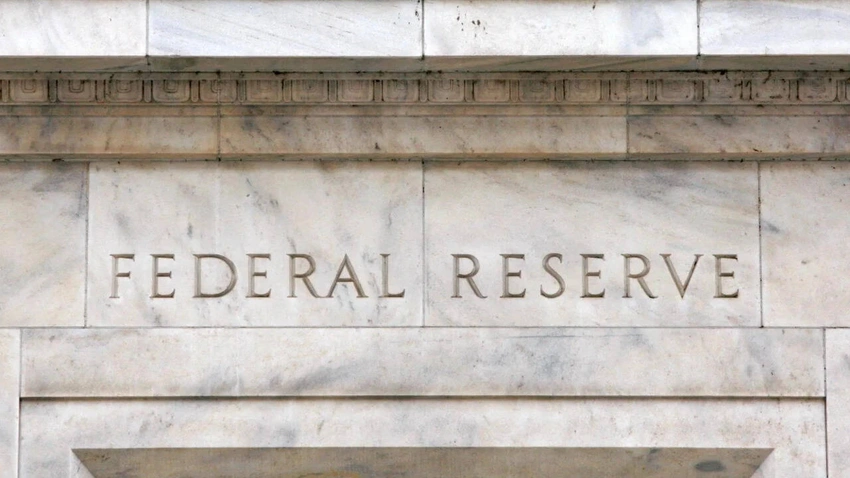
Hold onto your wallets! The Federal Reserve has once again raised its benchmark interest rate, marking another significant move in its ongoing battle against inflation. This quarter-percentage-point hike might seem small, but its ripple effects will be felt across various aspects of your personal finances, from your credit card bills to your dreams of buying a new home or car.
The Fed's primary goal in raising interest rates is to cool down the economy and curb persistent inflation. By making borrowing more expensive, they aim to reduce consumer spending and investment, thereby slowing price increases. However, this strategy comes with direct consequences for everyday Americans.
Let's break down what this means for you. For those carrying a balance on their credit cards, expect to see your monthly payments inch up.
Most credit cards have variable interest rates tied to the prime rate, which directly responds to the Fed's actions.
The higher the rate, the more you'll pay in interest, making it tougher to pay down debt quickly.
If you're in the market for a new home, you've likely already noticed mortgage rates climbing. While the Fed's hike directly influences short-term rates, it also indirectly impacts long-term rates like those for 30-year fixed mortgages. Adjustable-rate mortgages (ARMs) will see a more immediate increase in their interest rates, potentially leading to higher monthly housing costs for those homeowners.
Even if you're not buying, refinancing an existing mortgage will now be more expensive.
Similarly, car loans and other personal loans are set to become pricier. Whether you're eyeing a new vehicle or considering a loan for a significant purchase, borrowing costs will be higher. This could dampen demand for big-ticket items and potentially slow economic growth further.
On the flip side, savers might see a silver lining.
Interest rates on savings accounts, money market accounts, and Certificates of Deposit (CDs) tend to rise with the federal funds rate. While these increases often lag behind lending rates and may not fully offset the impact of inflation, it's a good time to shop around for banks offering more competitive returns on your deposits.
Looking ahead, the Federal Reserve has signaled that another rate increase could be on the horizon. This ongoing tightening of monetary policy suggests that individuals and businesses should continue to prepare for a landscape of higher borrowing costs. It's a critical time to review your budget, prioritize paying down high-interest debt, and explore opportunities to maximize your savings.
Understanding these changes can help you navigate the evolving economic climate and protect your financial well-being.

Login to comment.
No thots yet. Be the first to share your thoughts!