The Skin Reset Window: Why Your Breakouts Spike Before They Improve
The Skin Reset Window: Why Your Breakouts Spike Before They Improve
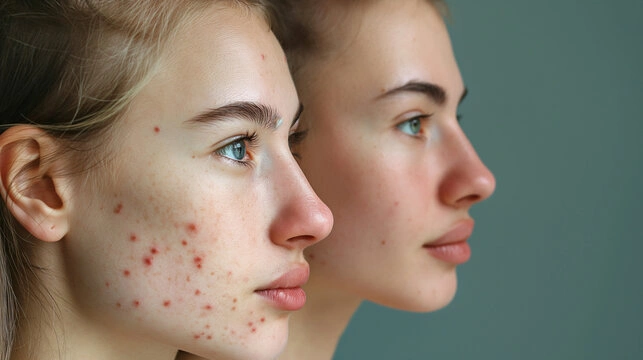
There is a phase in skincare that most people misunderstand. You start a new routine, expect clearer skin, and instead, your breakouts seem to get worse. This is not failure. It is what can be called the “skin reset window,” a period where your skin accelerates its renewal process before stabilizing. Many people switching to a niacinamide serum for oily skin 🔗 experience this phase, where underlying congestion surfaces faster than usual, giving the illusion that the product is not working.
What Is the Skin Reset Window?
The skin reset window is a temporary phase where your skin begins to purge built-up impurities at a faster rate. Instead of forming over weeks, microcomedones come to the surface more quickly.
This happens because active ingredients increase cell turnover. Your skin is not getting worse. It is clearing out what was already forming beneath the surface.
Why Breakouts Appear Worse at First
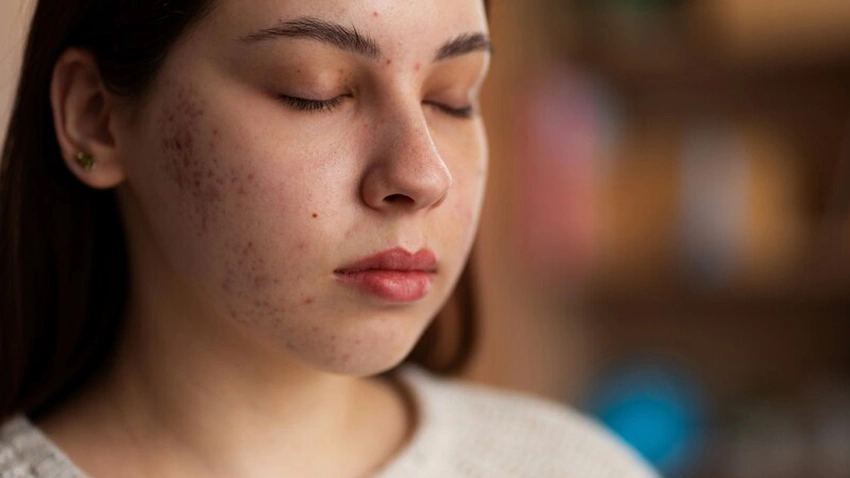
When your skin speeds up renewal, it pushes out clogged pores all at once instead of gradually. This leads to:
• More visible breakouts in a short time
• Faster formation and healing of pimples
• Temporary uneven texture
Although it feels frustrating, this phase is actually a sign that your routine is working.
The Science Behind Skin Acceleration
Your skin naturally renews itself every 28 to 40 days. Active ingredients can speed up this cycle, bringing underlying congestion to the surface sooner.
A study published in the Journal of Clinical and Aesthetic Dermatology highlights how ingredients that regulate oil and cell turnover can improve acne over time, even if initial breakouts increase.
This confirms that short-term flare-ups can lead to long-term clarity when the routine is consistent.

How Long Does the Reset Phase Last?
The duration varies depending on your skin type and the products you use. For most people, the reset window lasts between 2 to 6 weeks.
During this time:
• Breakouts may appear more frequently
• Healing may happen faster than usual
• Skin texture may fluctuate
Patience is critical here. Stopping your routine too early can interrupt progress.
How to Identify Purging vs Reaction
Not every breakout is part of the reset window. It is important to distinguish between purging and irritation.
Purging usually:
• Occurs in areas where you already get breakouts
• Clears faster than regular acne
• Improves gradually over time
A negative reaction, on the other hand, may involve redness, itching, or breakouts in new areas. This signals that the product may not suit your skin.
The Role of Cleansing During Reset
Cleansing becomes even more important during this phase. Your skin is releasing impurities at a faster rate, so keeping pores clear is essential.
A gentle yet effective cleanser helps remove excess oil and buildup without stripping your skin. Over-cleansing, however, can damage your barrier and make breakouts worse.
Balance is key.
Why Moisturizing Speeds Up Recovery
Many people reduce moisturizer use when breakouts increase. This can backfire.
Hydrated skin heals faster and produces less excess oil. A good moisturizer supports your barrier, allowing your skin to recover more efficiently during the reset window.
Skipping this step can prolong the adjustment phase.
Targeted Treatments and Their Timing
Spot treatments play a crucial role during this period. Instead of applying strong treatments all over your face, targeting active breakouts can reduce irritation.
Using treatments strategically helps manage flare-ups without overwhelming your skin.
Where Pimple Patches Fit In
During the reset window, your skin is more prone to active breakouts. This is where protective solutions like pimple patches become valuable.
They help:
• Protect breakouts from external bacteria
• Prevent picking and scarring
• Speed up visible healing
This allows your skin to recover without additional damage.
The Emotional Side of the Reset Window
One of the biggest challenges during this phase is psychological. Seeing more breakouts can make you doubt your routine.
However, understanding that this phase is temporary can help you stay consistent. Skincare is not always linear, and short-term setbacks can lead to long-term improvement.
How to Support Your Skin Through the Phase
To get through the reset window effectively:
• Stick to a consistent routine
• Avoid introducing too many new products
• Focus on barrier repair and hydration
• Protect your skin from sun exposure
These steps help minimize irritation and support faster recovery.
Why Consistency Outperforms Intensity
Using stronger products or increasing frequency will not speed up results. In fact, it can worsen irritation and prolong the reset phase.
Consistency allows your skin to adapt gradually, leading to more stable and lasting improvements.
Conclusion
The skin reset window is a misunderstood but essential phase in achieving clearer skin. What appears to be worsening acne is often your skin accelerating its natural renewal process.
Instead of stopping your routine, staying consistent allows your skin to clear underlying congestion and improve over time. Supporting your skin with hydration, protection, and targeted care makes this transition smoother.
Incorporating solutions like a best pimple patch 🔗 can help manage active breakouts during this phase while preventing further damage, allowing your skin to heal more efficiently.
Call to Action
Ready to build a routine that works with your skin’s natural cycle? Explore effective skincare solutions at World of California 🔗 and discover products designed for real, lasting results.
FAQs
1. Why does my skin break out more after starting a new routine?
This can be part of the reset window where your skin clears underlying congestion faster. It is usually temporary and improves with consistent use.
2. How long should I wait before changing products?
It is best to wait at least 4 to 6 weeks. This gives your skin enough time to adjust and show visible results.
3. Can I stop using products if my skin gets worse?
If the reaction is mild and in familiar areas, it may be purging. Severe irritation or new breakouts in unusual areas may require stopping the product.
4. Should I exfoliate more during this phase?
Over-exfoliation can damage your barrier. It is better to keep your routine simple and avoid adding extra stress to your skin.
5. Do pimple patches really help during breakouts?
Yes, they protect the area, reduce picking, and help speed up healing, making them useful during active breakout phases.
