Ceuta Under Siege: Thousands Remain After Border Rush, EU Demands Action

Ceuta Under Siege: Thousands Remain After Border Rush, EU Demands Action
Thousands of migrants are stranded in Spain's Ceuta after a massive border surge from Morocco. Tensions rise as aid dwindles and the EU calls for stronger border controls. Get the full story!
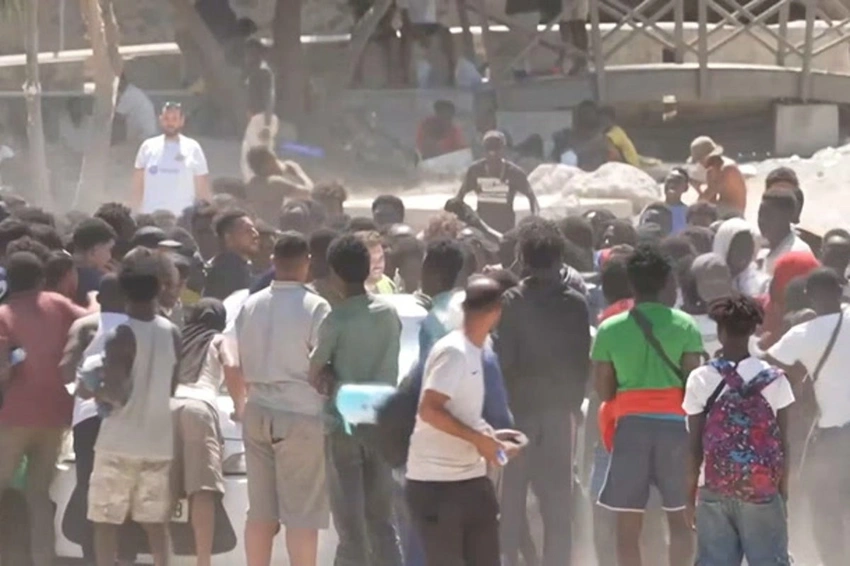
The recent surge of thousands of migrants into Spain's North African enclave of Ceuta has ignited a fresh crisis, bringing international attention to border control and humanitarian concerns. In a dramatic few days, an estimated 8,000 people, including many minors, crossed from Morocco, leading to chaotic scenes and a scramble for resources.
Many of these individuals, primarily from sub-Saharan Africa and Morocco, found themselves in precarious conditions, with hundreds setting up makeshift camps on Ceuta's beaches. Reports indicate a dire shortage of food and water, leading to desperate brawls among migrants vying for essential aid. Spanish authorities, overwhelmed by the sudden influx, have been working to process and manage the situation, with many migrants already having been returned to Morocco.
The incident has quickly escalated into a major political issue across Europe. European Commission President Ursula von der Leyen has publicly called for "stronger borders," urging immediate action ahead of an urgent meeting of EU interior ministers convened to discuss the crisis. This swift reaction underscores the bloc's growing anxieties over migration flows and the perceived vulnerability of its external frontiers.
Commentators have also highlighted how the Ceuta situation became a fertile ground for political exploitation. Critics suggest that the crisis was framed by nativist elements as a "perfect storm," a narrative eagerly seized upon by right-wing opportunists to push anti-migrant agendas. Meanwhile, progressive voices are seen by some as having struggled to effectively counter this narrative, missing an opportunity to frame the discussion around humanitarian responsibilities and the root causes of migration. The events in Ceuta serve as a stark reminder of the complex interplay between geopolitics, human desperation, and the often-divisive discourse surrounding migration in Europe.
