The 10 Sunglasses That Never Die and Still Look Cool on Men

The 10 Sunglasses That Never Die and Still Look Cool on Men
The 10 Sunglasses That Never Die and Still Look Cool on Men
From Aviators to Wayfarers, explore the most iconic men’s sunglasses ever, who made them famous, how to pick the right size and shape, and what still works in 2026.
Some sunglasses never go out of style. Sunglasses are not just about sun protection. They are mood setters. Confidence boosters. Sometimes they do more for your face than a fresh haircut. And while trends come and go every season, a few sunglasses shapes just refuse to disappear.
If you look closely, most men rotate around the same core designs decade after decade. The reason is simple. These frames work with human facial structure, cultural perception, and style psychology. They aged well because they were designed right the first time.
This guide breaks down the 10 most iconic and everlasting sunglasses designs for men. We will talk about who invented them, how they blew up, how relevant they are in 2026, and most importantly how to choose the right size and shape for your face, head size, ethnicity, and lifestyle.
Along the way, I will also help you avoid the biggest mistake men make when buying sunglasses. Picking the wrong size.
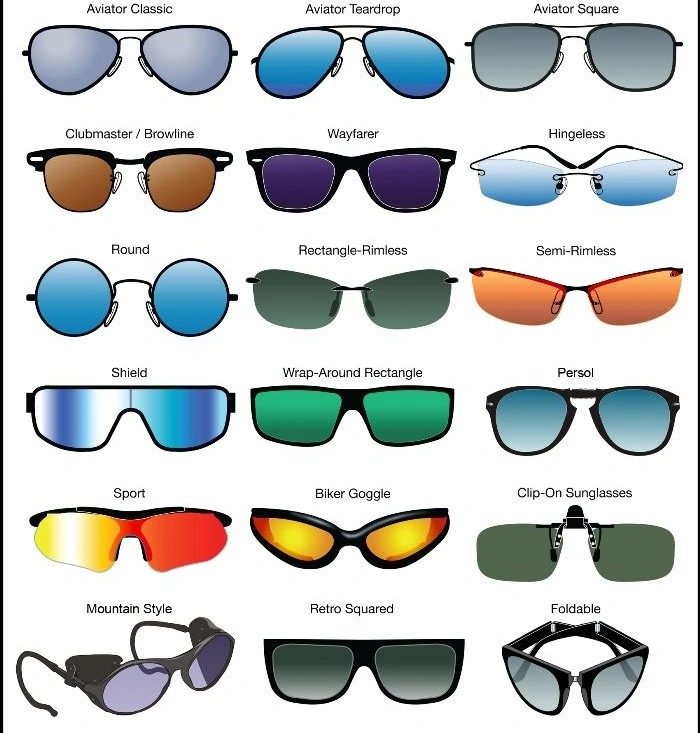
The 10 Most Iconic Sunglasses Designs Ever
1. Aviator
Brand that pioneered it: Bausch and Lomb Ray Ban
Era of popularity: 1930s onward
The Aviator was designed for US Air Force pilots to reduce glare at high altitude. That teardrop lens shape was not accidental. It followed the eye socket and blocked sunlight from all angles.
Why it became iconic: Hollywood did the rest. From Top Gun to rock stars to politicians, Aviators became a symbol of authority and cool masculinity.

Relevance in 2026: Still extremely relevant. Thinner metal frames are trending again, along with slightly oversized lenses. Matte gold and gunmetal are hot.
Best face shape: Oval, square, heart shaped faces
Sizing advice: Aviators run large. If you have a smaller head or narrow face, look for 52 to 55 mm lens width. Bigger heads can go 58 mm plus.
2. Wayfarer
Brand that pioneered it: Ray Ban
Era of popularity: 1950s
Wayfarers changed everything. Before them, sunglasses were mostly metal. This was the first bold plastic frame that looked intentional and stylish.
Why it became iconic
James Dean. Bob Dylan. Rock culture. Wayfarers screamed rebellion without trying too hard.
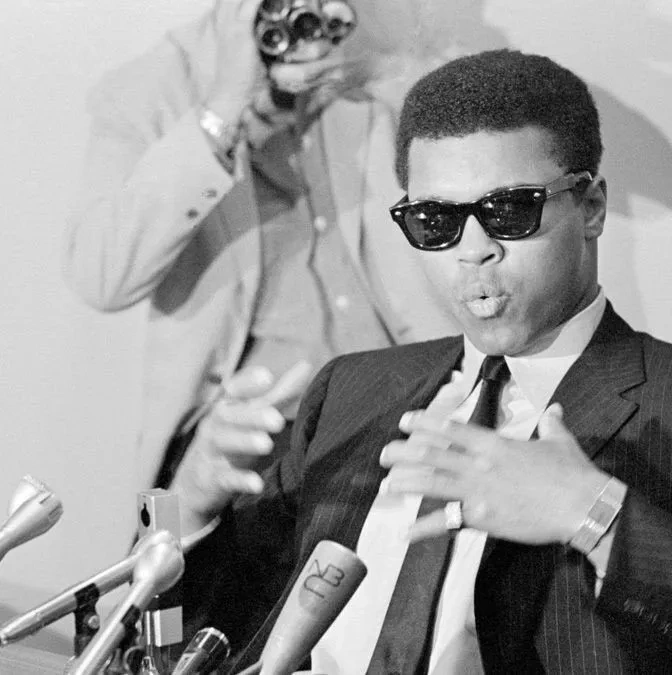
Relevance in 2026: Still strong but with tweaks. Slightly slimmer profiles and softer edges dominate now.
Best face shape: Round, oval, and diamond faces
Sizing advice: Wayfarers come in many sizes. Smaller faces should avoid the original oversized version. Look for medium fit temples and lens width around 50 to 52 mm.
3. Clubmaster
Brand that pioneered it: Ray Ban inspired by Browline
Era of popularity: 1950s, The Clubmaster mixes metal and acetate. It draws attention to the upper face which psychologically signals intelligence and authority.
Why it became iconic: Worn by intellectuals, writers, and later adopted by fashion forward crowds.

Relevance in 2026: Very relevant. Especially among professionals and creatives. Tortoiseshell and black remain top choices.
Best face shape: Oval, round, heart shaped
Sizing advice: Avoid oversized Clubmasters. They should sit snug without sliding. Medium bridge width is key.
4. Round Sunglasses
Brand that popularized it: Oliver Peoples and vintage eyewear
Era of popularity: 1960s, Round frames existed earlier but exploded during the counterculture movement.
Why it became iconic: John Lennon energy. Artistic, free thinking vibe.
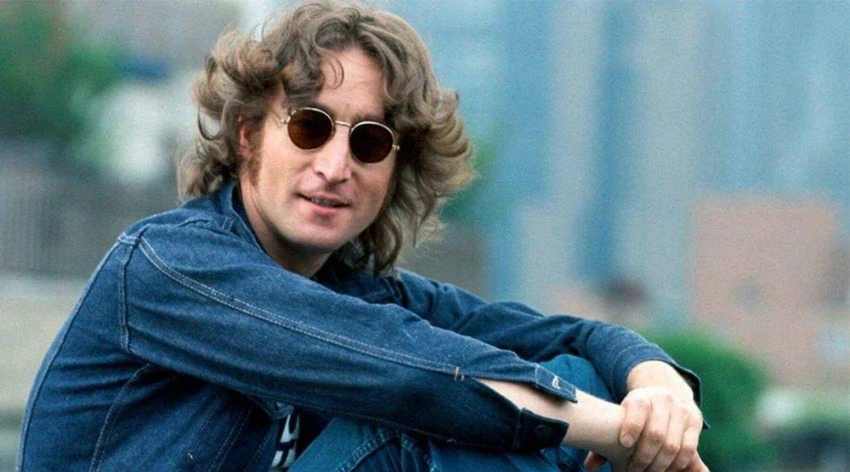
Relevance in 2026: Still popular but more niche. Best when styled intentionally.
Best face shape: Square and rectangular faces
Sizing advice: Round glasses exaggerate size fast. If your head is large, go slightly wider but keep lens height balanced.
5. Square Frame
Brand that popularized it: Persol, Tom Ford later
Era of popularity: 1960s onward, Square frames bring structure. They project confidence and power.
Why it became iconic: Actors and businessmen loved them because they framed the face aggressively.
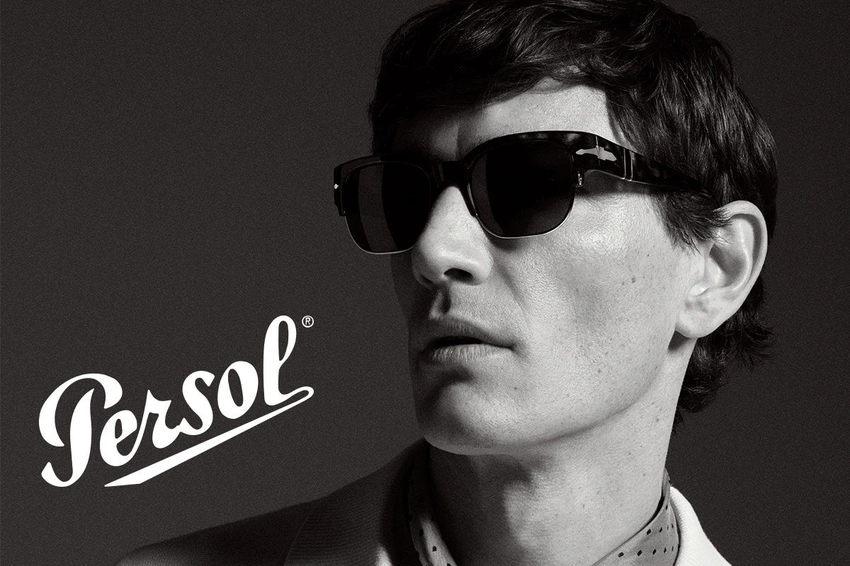
Relevance in 2026: Very strong. Especially thick acetate square frames.
Best face shape: Round and oval faces
Sizing advice: Large faces benefit from thicker temples. Small faces should avoid overly wide lenses.
6. Rectangle Sunglasses
Brand that pioneered it: Oakley and Prada later
Era of popularity: 1990s, These frames scream precision and modernity.
Why it became iconic: Minimalist fashion and sport culture.
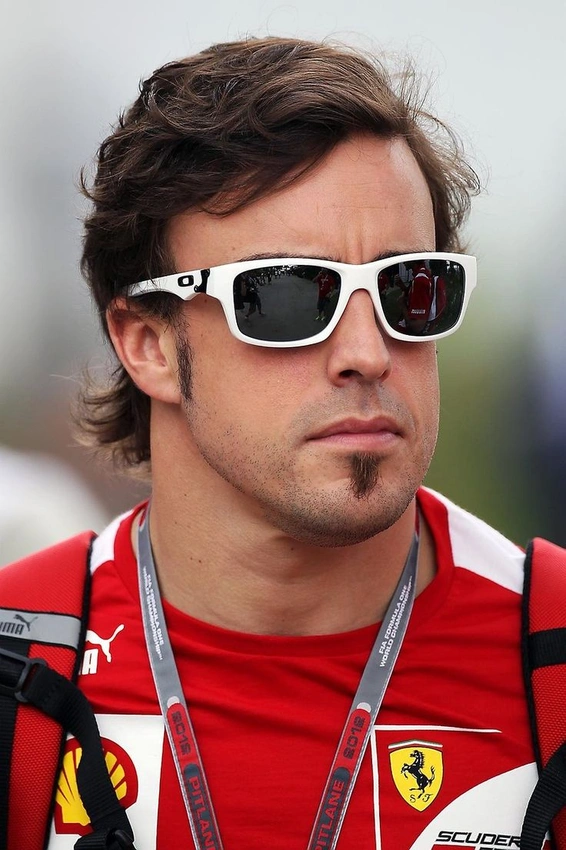
Relevance in 2026: Trending again with a refined look. Not overly sporty anymore.
Best face shape: Round faces mostly
Sizing advice: Do not go too narrow unless your face is slim. Balance is key.
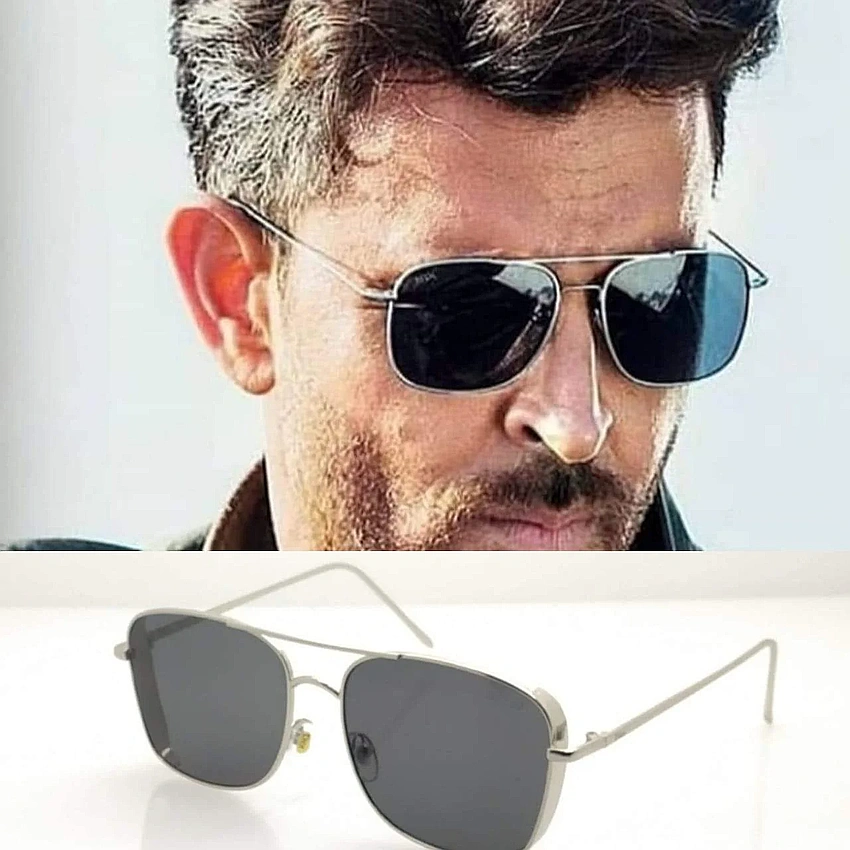
7. Navigator
Brand that pioneered it: Gucci and Cartier
Era of popularity: 1970s
Think Aviator but squared. Bolder. Louder.
Why it became iconic: Luxury fashion houses pushed it as a status symbol.

Relevance in 2026: High fashion relevance. Especially oversized luxury frames.
Best face shape: Oval and rectangular
Sizing advice: Navigators are big. Smaller heads should size down or skip.
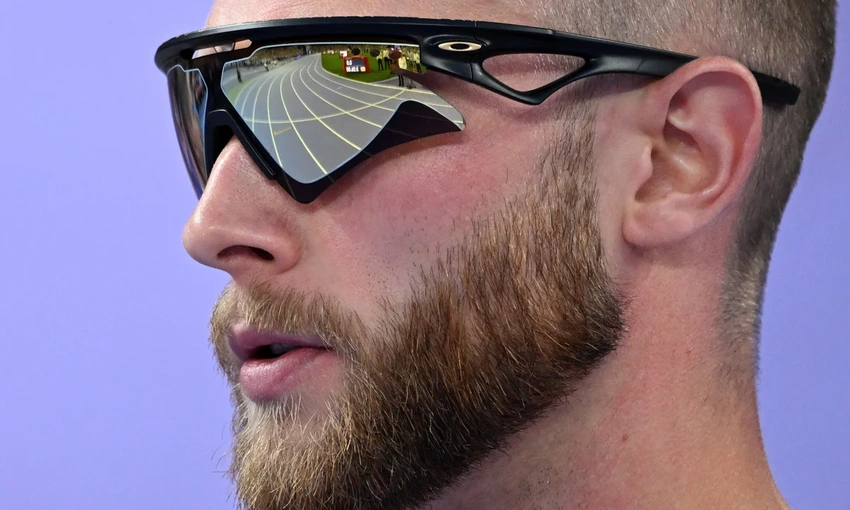
8. Wraparound
Brand that pioneered it: Oakley
Era of popularity: 1990s
Pure performance driven design.
Why it became iconic: Sports. Speed. Utility.
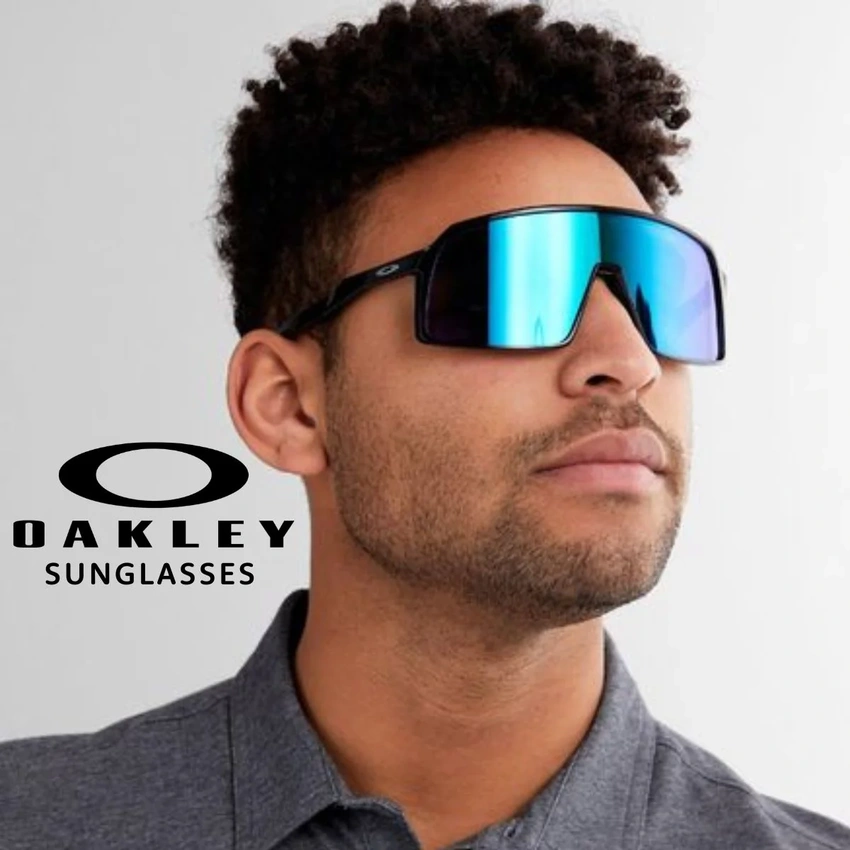
Relevance in 2026: Still dominant in athletic and outdoor categories.
Best face shape: Most face shapes but depends on fit
Sizing advice: Fit is critical. These should hug your face without pressure points.
9. Oversized Acetate
Brand that popularized it: Tom Ford
Era of popularity: 2000s, Big frames, bold presence.
Why it became iconic: Celebrity culture and luxury fashion.
Relevance in 2026: Still relevant but refined. Less cartoonish, more structured.
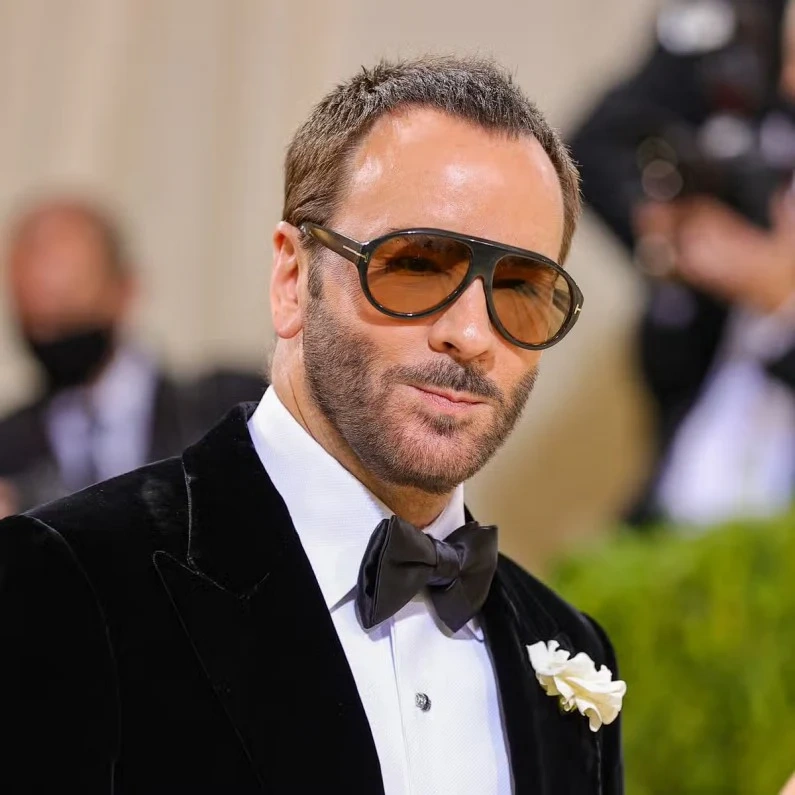
Best face shape: Larger faces, oval faces
Sizing advice: If your head is small, avoid this style entirely.
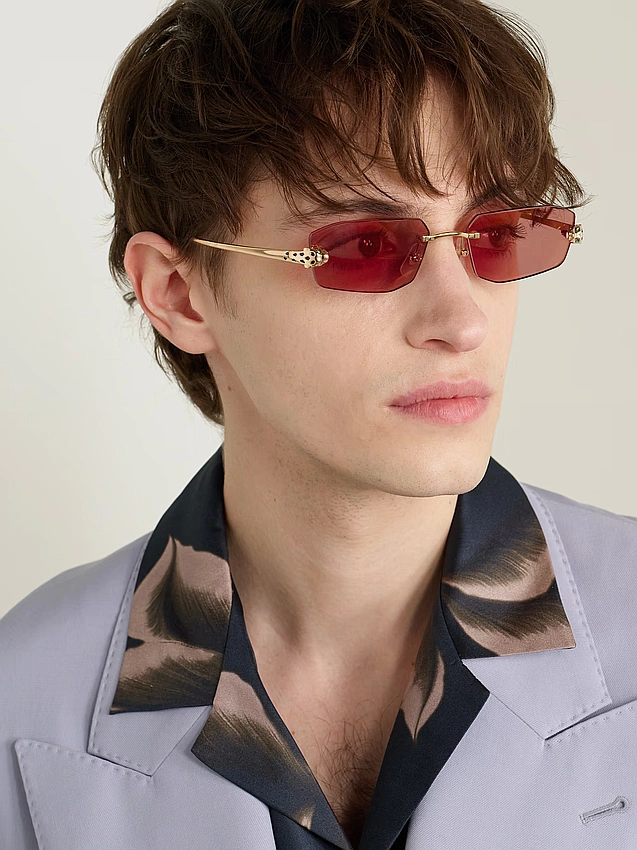
10. Rimless
Brand that pioneered it: Cartier
Era of popularity: 1980s, Minimalist and understated.
Why it became iconic: Luxury without shouting.
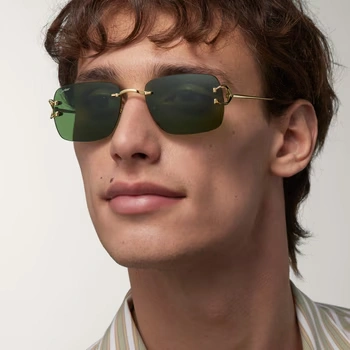
Relevance in 2026: Quiet luxury trend revived it.
Best face shape: Most face shapes
Sizing advice: Lens shape matters more than size here.
How to Choose the Right Sunglasses Size
This is where most guys mess up. They pick design first, size second. Wrong order.
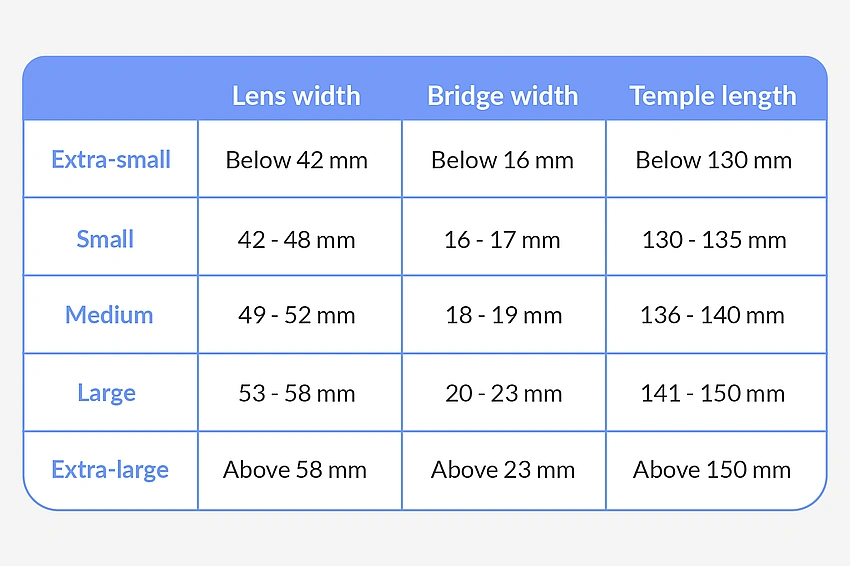
Three key measurements matter: Lens width, Bridge width, Temple length
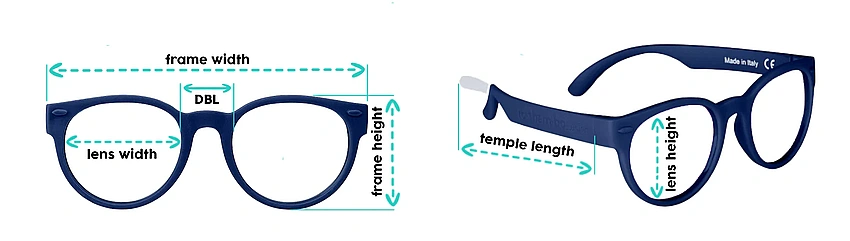
If sunglasses slide down your nose, pinch your temples, or sit too wide, they are wrong size. Period.
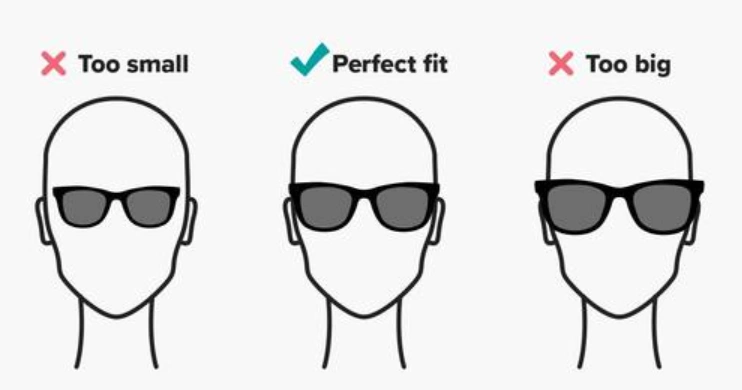
General sizing guide: Small head: lens width 48 to 50 mm, Medium head: 51 to 54 mm, Large head: 55 mm and above
Always check if a frame comes in multiple sizes. Good brands offer size variations. Cheap ones dont. Most retailer will tell you it's just one size and try to dismiss your question.
Face Shape, Ethnicity, and Regional Fit
Facial structure varies globally. Asian faces often need lower bridge fits. Middle Eastern and Mediterranean men may need wider temples. Western European faces often suit standard bridge designs.
If you have a flatter nose bridge, look for keyhole bridges or adjustable nose pads. If your head is wide, avoid narrow temple designs. There is no universal best frame. There is only best for your face.
Sunglasses are a long term investment in how you present yourself. The designs listed above survived decades because they respect human proportions and visual balance.
In 2026, trends are leaning toward timeless silhouettes with better sizing, better materials, and better self awareness. Pick a classic. Get the size right. Wear them like you mean it. If you do that, you will never look dated.
