Bafta Slur Incident Prompts BBC Apology During London Ceremony

Bafta Slur Incident Prompts BBC Apology During London Ceremony
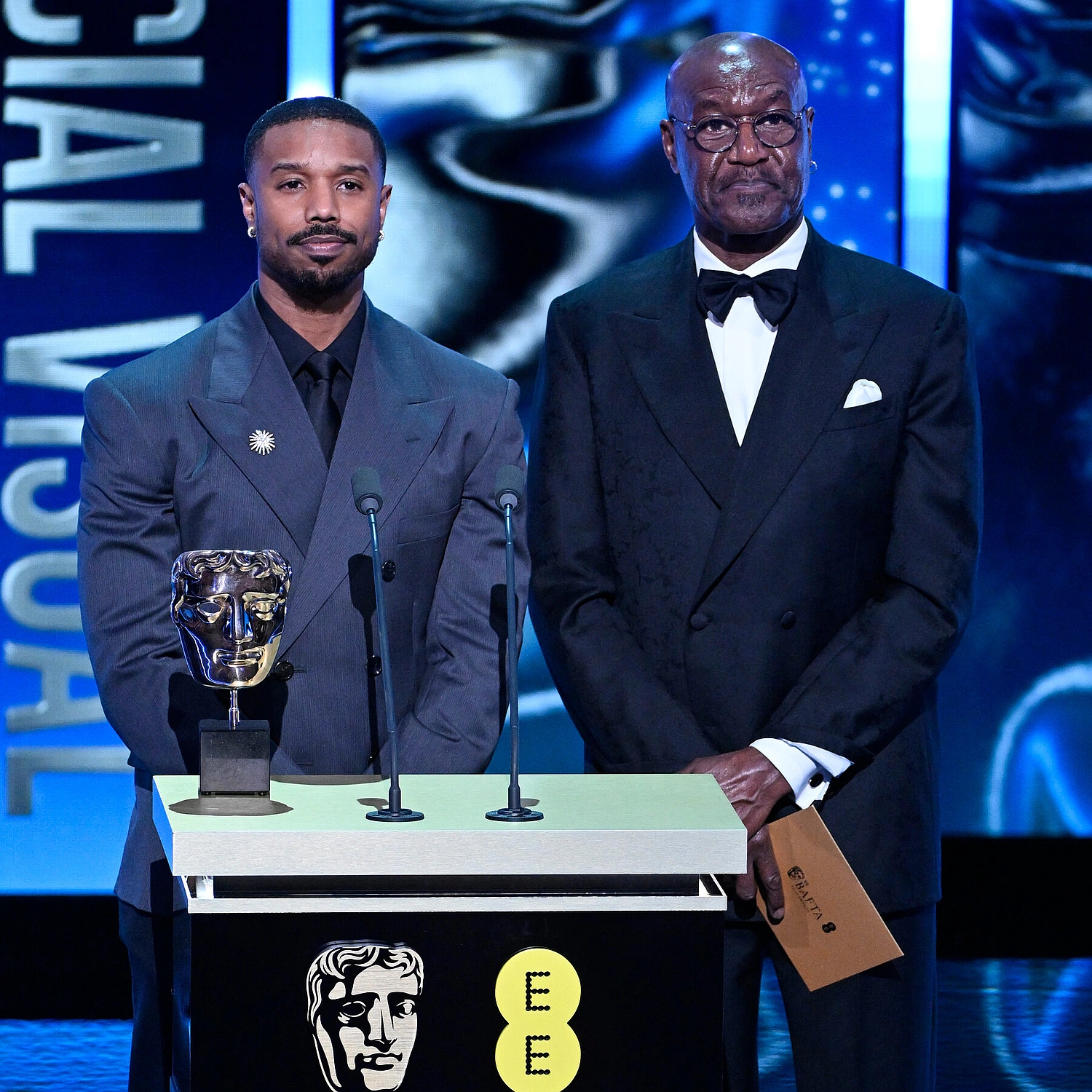
A guest with Tourette's shouted the N-word during the Bafta ceremony as Michael B Jordan and Delroy Lindo presented, prompting BBC and BAFTA apologies and debate over editing.
At the Bafta Film Awards in London, a moment of shock disrupted the ceremony when a guest with Tourette's syndrome shouted an offensive racial slur as Michael B. Jordan and Delroy Lindo were on stage presenting the first prize. The incident occurred just as the two stars were about to announce the winner of the category, and viewers heard the expletive in the broadcast. The moment quickly raised questions about how the event was edited and what the audience should expect from live awards coverage.
The person identified in coverage was John Davidson, whose life story inspired the film I Swear, and his tic-driven outburst was described as involuntary rather than intentional. The slur hissed during the moment was audible, but many viewers reported it was hard to make out exactly what was said.
The broadcast, which ran on BBC One with a two-hour delay, retained the moment on BBC iPlayer for several hours before it was removed. The BBC apologized for not editing out the language prior to transmission and said the version on iPlayer would be updated.
Bafta issued a separate statement acknowledging the harm caused and apologizing. Michael B. Jordan and Delroy Lindo carried on with their duties, later reflecting that they would have appreciated a word from Bafta after the incident. Political figures and commentators weighed in; some criticized the decision not to bleep the shout while others emphasized the need to distinguish involuntary tics from intentional words.
The BBC's explanation emphasized that Tourette's involves involuntary tics and that the outburst was not intentional. The episode has sparked wider conversations about responsibility, editing decisions, and the balance between live coverage and sensitivity to guests who have neurological conditions.
