Mexico Faces Uphill Battle After El Mencho’s Death

Mexico Faces Uphill Battle After El Mencho’s Death
Mexico grapples with cartel backlash and renewed US pressure after El Mencho’s death, as security forces push to curb violence.
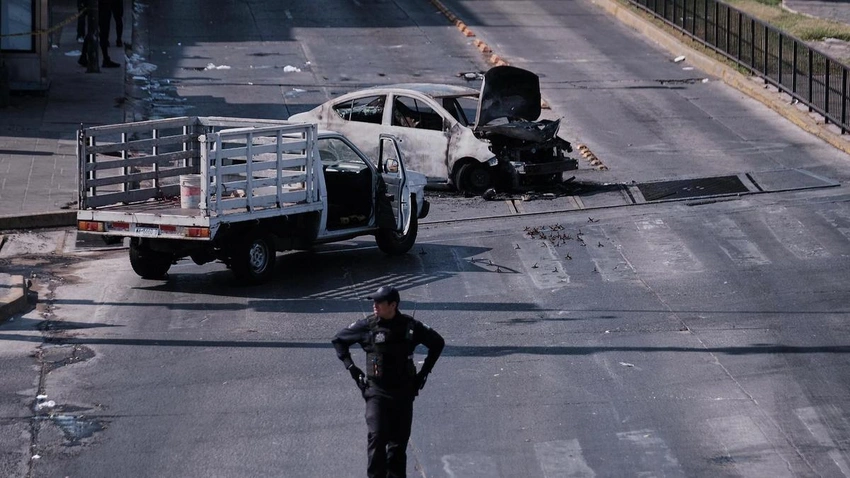
Mexico reeled after the government announced the death of Nemesio Oseguera Cervantes, known as El Mencho, the long-sought head of the Jalisco New Generation Cartel. The operation left schools closed, flights canceled, and the streets scarred by the aftermath, with the country trying to steady itself while authorities emphasize that security forces fulfilled their mission. In the wake of the confrontation, 25 members of the national guard were killed, underscoring the risks faced by security personnel as they pressed the crackdown against one of the world’s most powerful criminal networks.
Security minister Omar García Harfuch spoke softly as he offered condolences to the families of soldiers who died in the push, insisting the team demonstrated resolve and discipline even as the toll rose. The country watched closely as politicians balanced mourning with a renewed vow to press on against drug trafficking networks that have destabilized parts of Mexico for years.
Across the border, former and current U.S. officials pressed for stronger action. Donald Trump amplified a hard line on the cartel problem, urging Mexico to “step up their effort on Cartels and Drugs,” even as Washington has already designated El Mencho’s network as a foreign terrorist organization and offered substantial rewards for information leading to his capture. The move reflects a broader strategy that has included support for Mexican security operations and the possibility of U.S. forces playing a larger role, a prospect that remains highly sensitive in Mexican political circles.
El Mencho’s leadership of the JNGC has been a dominant feature in Mexico’s drug war since the cartel’s rise to power in the 2010s. He has been indicted in the United States since 2017, and his death could realign criminal dynamics in key corridors, including Guadalajara, the cartel’s traditional stronghold that has also been in the spotlight due to sports events and regional significance. The White House had already taken steps to pressure Mexican authorities, and the timing has led observers to wonder how the security landscape will evolve ahead of major national and regional events.
For President Claudia Sheinbaum, the challenge now is to translate military successes into sustained improvements for public safety and governance, while navigating a tight relationship with Washington that has grown more consequential under recent administrations. As investigations continue and security operations persist, Mexicans and international observers alike will be watching for tangible shifts in violence, corruption, and everyday life, as authorities seek to turn a high-profile victory into lasting order.
