Fashion's Radical Shift: Decoding the 'Anti-Ozempic' Aesthetic

Fashion's Radical Shift: Decoding the 'Anti-Ozempic' Aesthetic
Forget diet culture! We’re diving deep into the fashion world’s bold new embrace of authenticity and natural forms, championed by visionary critics and designers.
The buzz around 'anti-Ozempic' dressing isn’t just a whisper in the backrooms; it’s a roaring conversation shaping runways and redefining beauty standards. We’re witnessing a powerful pivot away from the hyper-sculpted, size-zero aesthetic that has long dominated high fashion, towards a celebration of natural forms and genuine self-expression.
The Rise of Authenticity
Chief Fashion Critic Vanessa Friedman has been instrumental in articulating this significant cultural shift. While many houses are subtly embracing this, the ethos is becoming undeniably clear: fashion is saying 'no' to the pressure of conformity and an idealized, often unattainable, body type. It's about rejecting the narrative that bodies need to be perpetually 'fixed' or minimized to fit into clothing.
Think about it: how often have we seen collections that demand a very specific, often painfully thin, silhouette? The 'anti-Ozempic' aesthetic champions the idea that clothes should adapt to us , not the other way around.
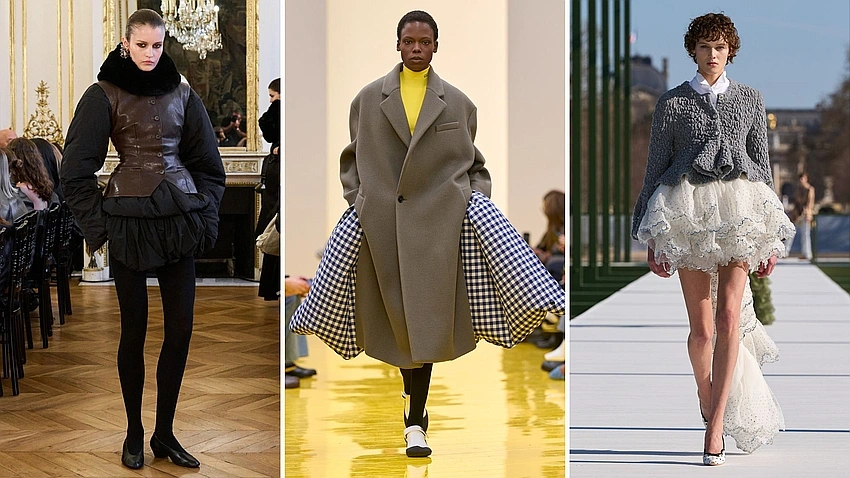
It's a call for garments that embrace volume, texture, and movement, allowing bodies to simply be .
Fairy Tales and Fashion's New Narrative
Friedman pointed to designer Matthieu Blazy’s latest collection as a profound illustration of this emerging philosophy. Blazy’s exploration of fairy tales like ‘The Ugly Duckling’ and ‘Jack and the Beanstalk’ wasn’t just whimsical storytelling; it was a deliberate statement on transformation, growth, and finding beauty in authenticity.
- ‘The Ugly Duckling’: This classic tale speaks volumes about embracing one’s true self, recognizing inherent beauty, and rejecting superficial judgments. In a fashion context, it translates to garments that don’t hide or alter, but rather enhance and celebrate individual forms.
- ‘Jack and the Beanstalk’: This story, with its themes of monumental growth and reaching for the sky, suggests a powerful, expansive vision. It’s about ambition, breaking through limitations, and creating something grand. Imagine clothing that empowers, that suggests strength and expansion rather than constraint or reduction.
These narratives are a far cry from the restrictive ideals that diet culture promotes. They suggest a fashion landscape where fantasy meets reality, where clothing becomes a tool for empowerment and self-acceptance, not self-critique.
Beyond the Runway: A Cultural Reset
This trend is more than just runway theatrics; it's a reflection of a broader cultural craving for authenticity. For years, the industry has faced criticism for its narrow beauty standards.
Now, with prominent voices like Friedman highlighting collections that actively challenge these norms, we're seeing a powerful counter-narrative emerge.
What does this mean for your wardrobe? Expect to see a continued emphasis on comfort, oversized silhouettes, luxurious fabrics that drape rather than cling, and an overall celebration of personal style over fleeting trends. It's about finding joy in what you wear, feeling good in your skin, and letting your clothes tell your story, not society's.
The 'anti-Ozempic' aesthetic is a breath of fresh air, reminding us that true style comes from confidence, comfort, and a genuine embrace of who you are. It’s about time fashion caught up.
