India-EU FTA: Tariffs Fall, Exports Rise, Consumers Save

India-EU FTA: Tariffs Fall, Exports Rise, Consumers Save
India and the EU clinch a landmark Free Trade Agreement, cutting tariffs on most goods, boosting exporters' duty-free access, and expanding protections for services and IP rights.
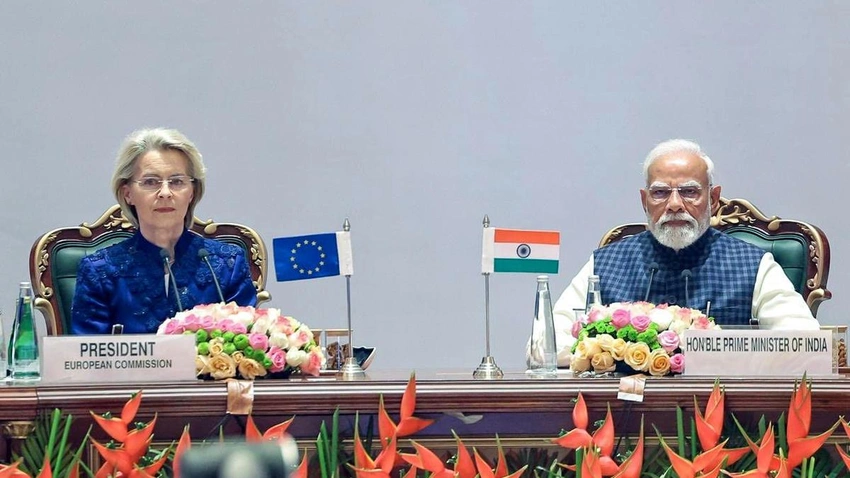
India and the European Union have finalized a Free Trade Agreement that aims to progressively lower tariffs on most goods, while expanding duty-free access for Indian exporters and extending coverage to services and intellectual property rights. This pact is positioned as a major step in deepening economic ties between the world’s two large economies and could reshape trade dynamics for both sides.
One of the most notable implications is that around 93% of India’s exports are expected to gain duty-free entry into EU markets once the agreement becomes operational. This could provide a significant boost to Indian industries ranging from textiles to engineering goods, while offering European buyers greater access to a diverse set of Indian products.
For Indian consumers, the impact could show up as lower prices on certain European goods—such as premium cars and wines—thanks to reduced tariffs. The deal’s broader promise is to create a more predictable, rules-based framework that could improve supply chains, attract investment, and spur job creation across multiple sectors as companies recalibrate for expanded market access.
The agreement has been described in strong terms by European and Indian officials alike, with leaders highlighting the potential to leverage services and IP provisions in addition to goods trade. The development comes in a global trade context where other major markets have employed tariffs and protectionist measures in recent years, underscoring the appeal of diversified access to European and other markets.
Implementation is expected to be gradual, with phased reductions and ongoing talks to align service sectors and IP regimes. As the deal unfolds, analysts will be watching how effectively it translates into real gains for businesses of all sizes, and how it shapes India’s and the EU’s broader trade and economic strategies in the years ahead.
