Beyond Bro Science: Modern Men Are Sipping Into Wellness
Beyond Bro Science: Modern Men Are Sipping Into Wellness
Gone are the days when wellness was solely a 'girl thing.' From matcha lattes to mindful practices, men are embracing self-care, ditching stereotypes, and redefining what it means to look and feel good. Discover how.
Your Daily Dose of Green: Why Men Are Ditching the 'Bro Science' for Wellness
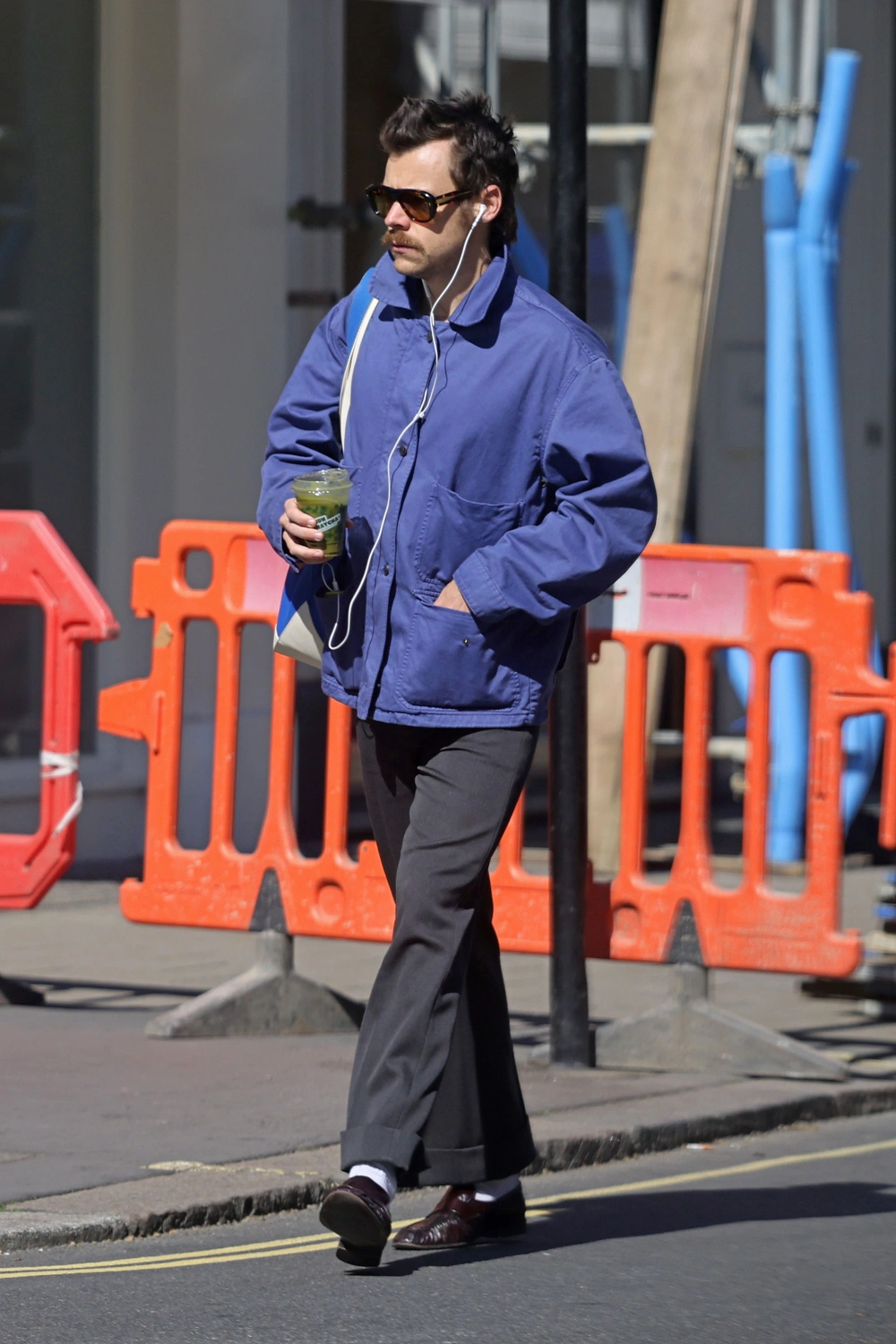
The world of wellness is buzzing, and it's not just with the hum of a smoothie blender. We've seen a quiet, yet powerful, shift: men are embracing self-care, mindfulness, and even, yes, matcha, in ways that defy old stereotypes. Forget the notion that 'wellness' is a female domain; today's man is looking beyond traditional 'bro science' and discovering what true well-being feels like.
For a long time, wellness narratives were overwhelmingly feminine. Picture it: neutral-toned workout sets, a chic claw clip, an 11am Pilates class, and a post-workout café run with the girls. This was the visual language of matcha, a vibrant green powder that promised energy without the crash of a second coffee.
It was about the lifestyle , soft routines, slow living, a life organised around wellness rather than urgency.
From 'trad-wife aesthetics' to 'grandma-core,' matcha became the Gen Z equivalent of Lorelai Gilmore's beloved black coffee, transforming “Coffee, please, and a shot of cynicism” into “matcha, please, and a shot of whimsy.”
But something interesting happened. That very specific, often gendered, image began to expand. Matcha found its footing in India, and what started as a café order associated with a wellness-minded woman archetype has blossomed into something far more mainstream.
And who's driving a significant part of this shift?
Men.
It's not just a hunch; we're seeing it firsthand. Shalini Rattan, the visionary founder of Affogato and Crèmeyum Creamery in Bandra, has witnessed matcha's remarkable 'snowball effect.' Her café started with the authentic drink, quickly branching out into variations, matcha gelato, and even mochi. She puts it plainly: the demand wouldn't be this high if matcha remained “only an aesthetic extension of the clean-girl trope.”
This isn't about men 'taking over' a trend, but rather integrating into it, making wellness a truly universal pursuit. When men begin to like a product or embrace a practice, it often signals a broader cultural acceptance, shedding the last vestiges of niche status. It implies that the benefits, the sustained energy, the antioxidant boost, the calm focus, transcend gendered marketing and simply become good for everyone .
So, what does this mean for the future of wellness?
It means more diverse offerings, more inclusive spaces, and a greater understanding that self-care is not a luxury or a feminine indulgence, but a fundamental aspect of human health. Men are discovering that embracing a vibrant matcha latte, or any other mindful practice, isn't about conforming to a stereotype; it's about claiming their own path to feeling good, looking good, and living better.
This is beyond 'bro science': this is just good science, good living, and good vibes for everyone.
