The Beauty of Efficiency: Thinking Like an Algorithm

The Beauty of Efficiency: Thinking Like an Algorithm
The Beauty of Efficiency: Thinking Like an Algorithm
Efficiency is often misunderstood as something mechanical: cold, calculated, stripped of emotion. It is associated with speed, optimization, and reducing effort, usually in technical contexts like computing or engineering. But when you look more closely, efficiency is not only about doing things faster.
It is about doing things thoughtfully.
It is about clarity.
And in many ways, it is beautiful.
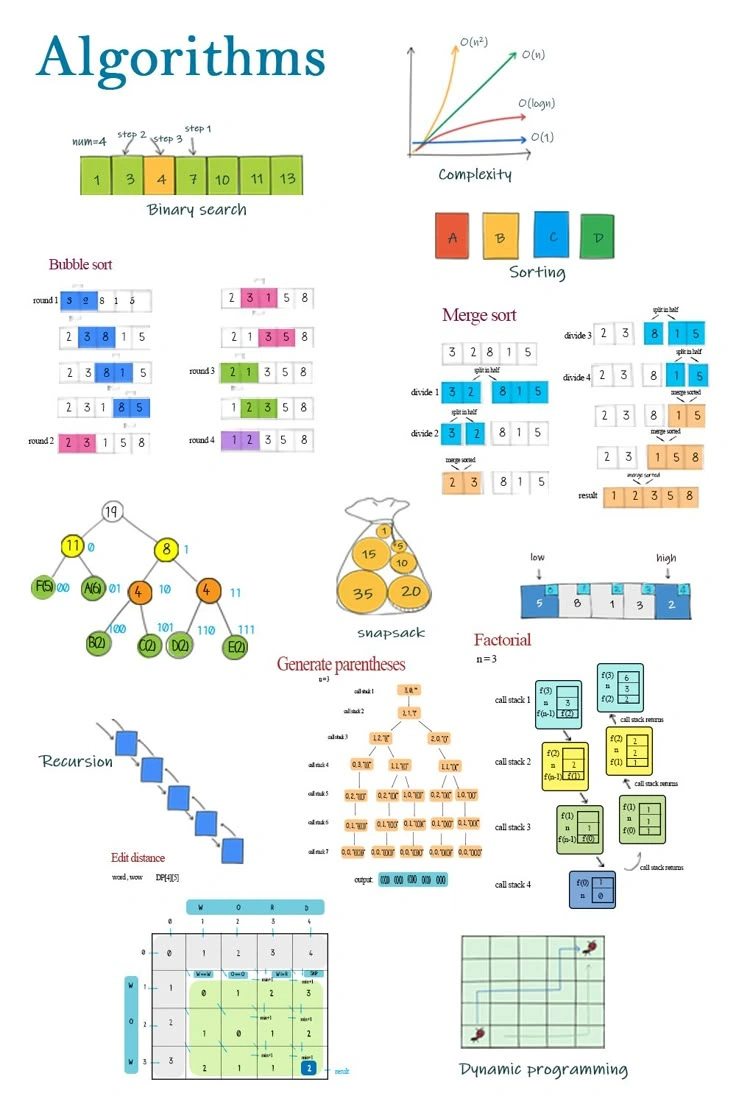
In analysis and design of algorithms, efficiency is central. An algorithm is not just a solution to a problem: it is a structured way of thinking about how to reach that solution using the least necessary resources, whether those resources are time, memory, or steps.
At first, this may sound purely technical.
But the mindset behind it extends far beyond code.
Thinking like an algorithm is not about becoming robotic. It is about learning how to approach problems with clarity, intention, and structure. It is about asking the right questions before jumping to solutions.
What is the problem, exactly?
What constraints exist?
What is the simplest path from input to output?
These questions shift your thinking from reaction to design.
Instead of acting immediately, you pause and understand.
This pause is where efficiency begins.
One of the most important ideas in algorithmic thinking is reducing unnecessary work. A good algorithm does not solve a problem by trying everything blindly. It identifies patterns, eliminates redundant steps, and focuses only on what matters.
This is not laziness.
It is intelligence.
It is recognizing that effort is valuable, and therefore should be used carefully.
In everyday life, this principle appears in subtle ways. When you organize your study schedule to avoid repetition, when you prepare for an exam by focusing on high-weight topics, when you structure your day so that energy is used where it matters most: you are thinking like an algorithm.
You are optimizing.
But optimization is not only about saving time.
It is about reducing mental clutter.
Another important concept is breaking problems into smaller parts. Many algorithms work by dividing a complex problem into simpler subproblems, solving each one, and then combining the results.
This is known as divide and conquer.
It reflects a deep understanding: complexity becomes manageable when you stop treating it as one large, overwhelming task.
Instead, you see it as a collection of smaller, solvable pieces.
This approach is not only useful in programming: it is useful in life.
When something feels overwhelming, the problem is often not the task itself, but how it is being perceived.
Thinking algorithmically allows you to reframe.
To say: this is not one impossible thing, but several smaller things I can handle one by one.
There is also beauty in how algorithms handle constraints.
Every problem exists within limits: time, memory, input size, available tools. Instead of seeing these limits as obstacles, algorithm design treats them as part of the problem itself.
The challenge is not to ignore constraints, but to work within them intelligently.
This perspective is valuable beyond computing.
In real life, constraints are everywhere: deadlines, resources, personal limits. Thinking like an algorithm means accepting these boundaries and still finding effective solutions.
It replaces frustration with creativity.
Another elegant idea is efficiency over perfection.
In many cases, the most efficient solution is not the most complex one. A simple approach, applied correctly, often outperforms a complicated one that is difficult to manage.
This teaches an important lesson: more effort does not always mean better results.
Clarity often matters more than complexity.
This is where the beauty of efficiency becomes visible.
Ultimately, thinking like an algorithm is not about turning life into code.
It is about adopting a mindset that values clarity, structure, and intentional effort.
It is about understanding that problems can be approached thoughtfully rather than reacted to impulsively.
And it is about recognizing that efficiency is not cold: it is freeing.
Because when you remove unnecessary steps, unnecessary stress, and unnecessary confusion, what remains is focus.
And focus allows you to use your energy where it matters most.
That is the beauty of efficiency.
Not just in algorithms, but in how you live, think, and solve.
A quiet elegance.
A sense of direction.
And the ability to move forward with less effort, but more intention.
